ADHD & Open Cabinets: Does Hidden Clutter Calm Chaos?
Living with ADHD (Attention Deficit Hyperactivity Disorder) presents unique challenges when it comes to maintaining an organized and functional living space. One aspect that often proves particularly tricky is keeping open cabinets and shelves tidy and accessible. Disclosures like these can quickly become cluttered hotspots, causing undue stress and hindering efficiency in daily tasks. But with the right strategies and tools, it's absolutely possible to manage open cabinets effectively, creating a clutter-free environment that supports, not hinders, your ADHD management efforts.
Let's delve into the intricacies of managing open cabinets with ADHD, exploring practical tips, organizational hacks, and useful products to keep your space neat and your mind at ease.
Understanding the ADHD-Cabinet Conundrum
ADHD affects multiple aspects of daily life, including executive functioning skills that are crucial for organization and planning. Open cabinets present a double whammy: they provide easy access, which can be both a blessing and a curse. While accessibility is key, the reduced barriers to clutter can lead to disarray and difficulty finding essential items when you need them most.


Furthermore, individuals with ADHD often grapple with distractions, impulsivity, and poor self-regulation. This makes it challenging to maintain a tidy space in the long term. However, understanding these ADHD traits can help us devise strategies tailored to your unique needs and tackle the open-cabinet conundrum head-on.
ADHD-Friendly Organizers: Sticking to the Basics
When it comes to organizing open cabinets, simplifying the process is key. Opt for organizers that are easy to install, use, and maintain. Clear or labeled storage bins, shelf dividers, and cabinet organizers can work wonders in splitting up spaces and keeping like items together.Plus, they encourage quick visual identification, minimizing decision fatigue and impulsive behavior.


For instance, clear bins allow you to quickly see where your items are. Labeling can further enhance accessibility by providing a clear guide for putting things back. When choosing organizers, prioritize functionality and ease of use over aesthetics – visual appeal should not come at the cost of practicality.
Color-Coding and Visual Cues: Harnessing Distinctivity
Leverage your cabinets' visibility by incorporating color-coded organizers and visual cues. This technique draws from the ADHD brain's heightened responsiveness to visual stimuli, creating a system that's both engaging and effective. Color-coded categories can simplify decision-making, reduce processing time, and diminish the impact of distractions.
For example, assign a specific color to each family member, or to different categories like 'office' or 'kitchen supplies'. Use bins, folders, or labels in these respective colors to mark their contents in your open cabinets. Not only does this make it easier to find what you need, but it also fosters a sense of responsibility and ownership.


Customizing Cabinets for ADHD Management
Creating a cabinet system that genuinely supports your ADHD management involves personalized planning and layout. By optimizing your cabinets around your specific needs and preferences, you'll not only minimize clutter but also streamline daily tasks and promote a sense of well-being.
Consider the following tips to tailor your open cabinets for your unique ADHD experience:
Prioritize First, Then Place
Start by auditing the contents of your open cabinets. Group items by type, category, frequency of use, and importance. This will give you a clearer picture of what you truly need and help you discard, donate, or repurpose items that no longer serve a purpose. Once sorted, place essential, frequently used items within easy reach, and stow lesser-used items farther back or in less accessible locations.


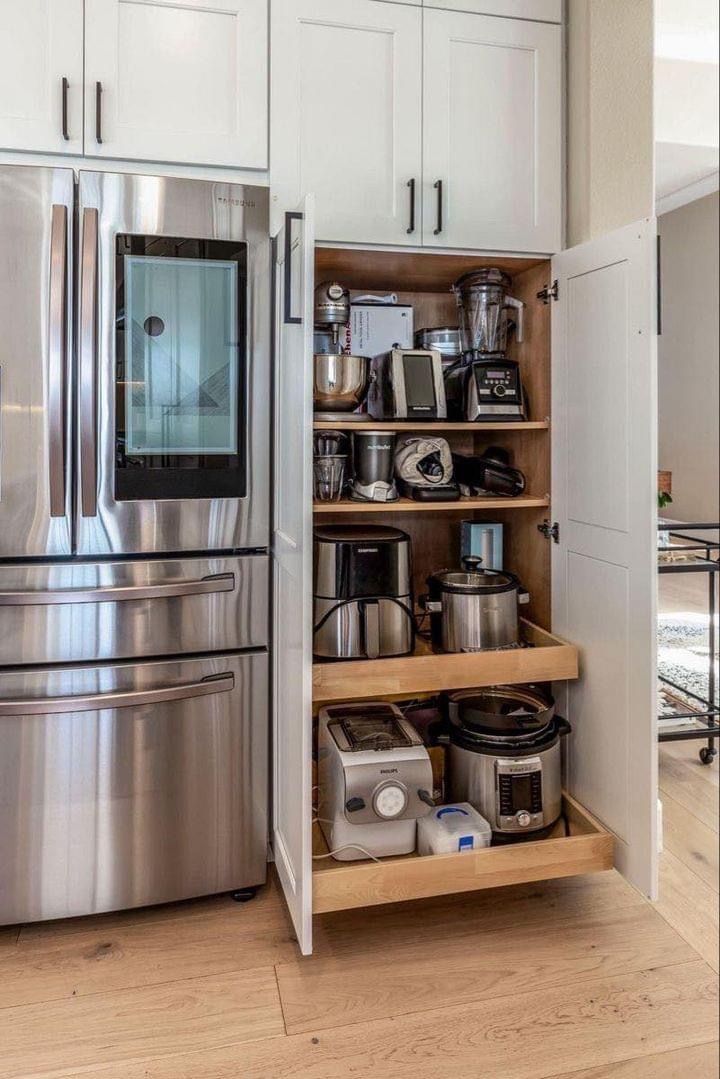


Additionally, consider using the 'out of sight, out of mind' principle. If certain items pose frequent temptations or distractions (e.g., digital devices or junk food), concealed cabinets or closets may be more effective at maintaining a clutter-free zone in your open cabinets.
Invest in Cabinet Accessory Upgrades
Maximize your open cabinets' potential with affordable, ADHD-friendly upgrades. Soft-close hinges and dampers minimize the noise and sudden movements that might otherwise disrupt your focus or cause startle reactions. Under-cabinet lighting illuminates shadowy spaces, further enhancing visibility and accessibility.
lazy susans, tiered shelves, and adjustable shelving units can help you transform even the tightest spaces into efficient, easily navigable storage solutions. Some modern cabinet organizers come with built-in features like cable management, making them ideal for tech-heavy households.
Adapting open cabinets for life with ADHD necessitates creativity, personalization, and a commitment to simplicity. By adopting these strategies and forearning tools, you can design a functional, engaging, and clutter-free environment that supports your unique journey through ADHD. Incorporating these changes little by little will yield tangible results, setting you on the path to a more organized, relaxed, and productive life. So, start today and let your cabinets become a testament to your progress, not a symbol of your struggles.
Related Articles

الراحة لل պատճառات +++++ bathroomdesign.md Bathroom Design Ideas for Small Spaces Decorating a small bathroom can be a challenge, but with the right design ideas, you can create a functional and stylish space. Here are some inspiration and tips for creating the perfect small bathroom. 1. **Maximize Vertical Space** - Install wall-mounted sinks and floating shelves to create an airy feel and make the most of your vertical space. - Use tall, narrow cabinets and consider open shelving to keep the room feeling spacious. 2. **Use Light Colors** - Light colors reflect light and make a small room feel brighter and more open. Opt for white, light gray, or pastel shades. - Include some natural light by placing a window or skylight, if possible. 3. **Mirror, Mirror** - Mirrors reflect light and create the illusion of depth, making your bathroom feel bigger. Place a large mirror above the sink or opt for a mirrored medicine cabinet. - Consider a mirror with built-in lighting for added functionality and brightness. 4. **Go Minimalist** - Keep clutter to a minimum by incorporating storage into your design, such as small cabinets, baskets, or wall-mounted trays. - Opt for simple, clean lines in your fixtures and decor to create a streamlined look. 5. **Choose a Small Bathtub or Shower** - If you must have a bathtub, consider a compact model or a combination shower-tub unit to save space. - Alternatively, opt for a shower with a glass door to create an open, airy feel. 6. **Use the "Jack and Jill" or Half Bath Strategy** - If your space allows, consider creating two small bathrooms (one with a toilet and sink, and the other with a shower or bathtub) instead of one larger one. - This can be a great solution if you have more than one person using the bathroom at a time. 7. **Make Use of Niche Spaces** - Don't ignore small nooks and crannies – a narrow countertop, a sliver of wall, or an alcove can all be put to good use with clever storage solutions or decorative accents. 8. **Marabou Bathroom Ideas - A half bath or powder room can be a great opportunity to make a bold statement with your design. - Consider unique wallpaper, dramatic lighting, and eye-catching fixtures to create a memorable space. 9. **Install an Ensemble of Standard-Size Fixtures** - Opting for standard-size fixtures (like a 30-inch vanity or a 60-inch bathtub) that fit perfectly in your space can help you avoid the need for costly custom-built pieces. 10. **Don't Forget the Details** - Small touches like glossy tile, sleek hardware, and modern lighting can elevate your design and make your small bathroom feel polished and complete. With these design ideas in mind, you're well on your way to creating a functional, stylish, and comfortable small bathroom. Happy decorating!
Ah, the time-honored challenge of decorating a bathroom that not only fits your style but also ticks all the boxes for future tenants. Fret not, for we've...

Hidden Storage Kitchen Cabinets: Maximize Space, Minimize Clutter
Step into any well-designed kitchen and you'll notice something fascinating: the seamless blend of aesthetics and functionality. One of the standout features...

Seamless Open Kitchen Cabinets: Base Options & Setup
Transforming kitchens into more open and inviting spaces has become a popular trend in recent years. One of the key elements contributing to this...

hidden gems: Top Kitchen Cabinet Plants Boost Aesthetics & Air Quality
Ever found yourself wishing for more counter space in your kitchen, or yearning for a touch of greenery to freshen up your cooking space? Consider the often...

Open Island Shelving: Maximize Space, Minimize Clutter
Open island shelving is a popular and versatile storage solution that's making a big statement in modern homes. Not only do these shelves maximize space, but...
Maximize Focus: ADHD-Friendly Cabinet Closure Solutions
ADHD, or Attention Deficit Hyperactivity Disorder, is a neurodevelopmental condition characterized by persistent patterns of inattention, hyperactivity, and...