Maximize Space: ADHD-Friendly Kitchen Cabinet Solutions
Attention deficiency hyperactivity disorder (ADHD) often presents challenges in daily life, including maintaining an organized and functional living space. Kitchens, in particular, can be a struggle point due to their multiple components and utility. However, with the right approach and design, ADHD-friendly kitchen cabinets can help manage and simplify common struggles. Let's dive into how we can optimize this crucial space to create a calm and efficient environment.
Firstly, understanding ADHD aesthetics and person-centered design is crucial. A clutter-free, easy-to-navigate, and calming color scheme can significantly improve focus and reduce anxiety. The goal is to understand individual needs and create a tailored space that promotes serenity and productivity.
Minimizing Distractions and Overstimulation
Maintaining an ADHD-friendly kitchen begins with minimizing distractions and overstimulation. This can be achieved through strategic cabinet choices and layout design.

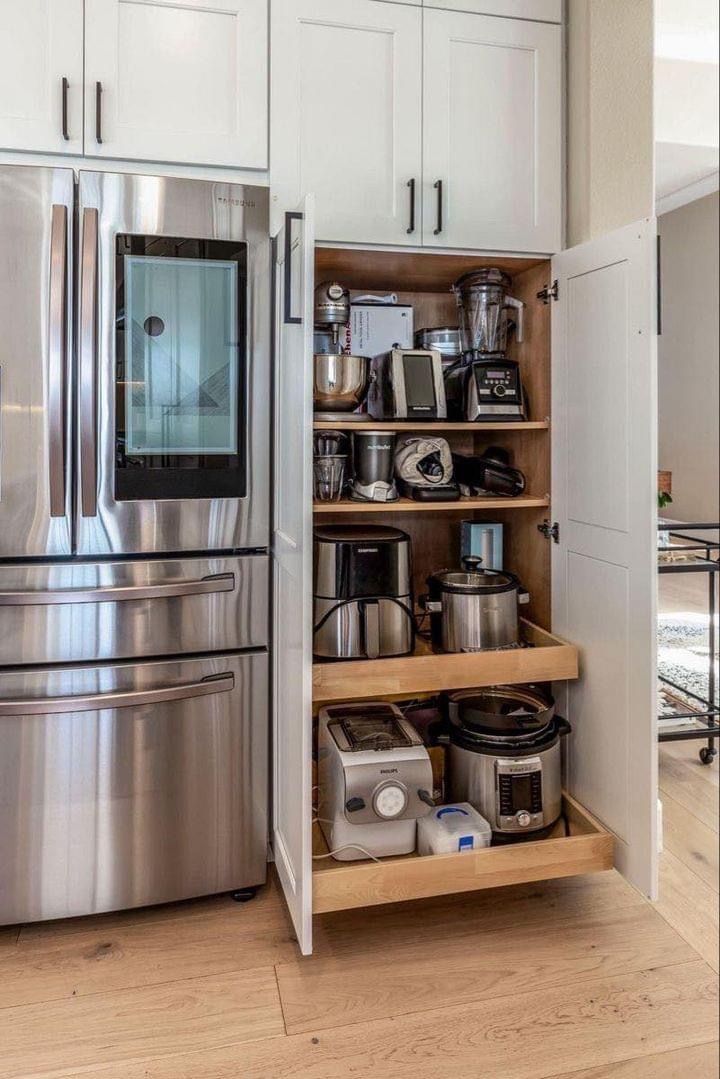

For instance, opting for full overlay cabinets without hardware can help create a smooth, unbroken surface, reducing visual clutter. This contemporary design technique allows doors to be completely flush with the cabinet frame, providing a seamless look and feel that can be particularly soothing for those with ADHD.
Cabinet Color Schemes: Less is More
A neutral, minimalist color palette can help reduce overstimulation and promote focus. Consider soft hues like white, light grey, or subtle pastels. They reflect light, making the kitchen feel more spacious and less overwhelming. Remember, the goal is not to create an boring environment, but rather a calming, clutter-free oasis.


Contrasting darker, lower cabinets with lighter upper cabinets can create a visual stratification, making the kitchen feel taller and more open. This is also a practical solution as it allows for better differentiations between frequently used items and less accessible, taller areas.
Organization Systems Tailored to ADHD Needs
Implementing efficient organization systems within cabinets is essential for managing ADHD-related challenges. Customizable interiors, adjustable shelving, and deep drawers can help combat common organizational struggles seen in individuals with ADHD.
For example, using pull-out pantry systems can make finding items easier. Overhead cabinets with deep shelves allow for more vertical space, reducing the need for excessive countertop storage. Additionally, using clear containers and labeled shelves can aid in maintaining a sense of order.


Functionality and Accessibility
Designing an ADHD-friendly kitchen isn't just about aesthetics; functionality and accessibility play a vital role in maintaining a productive and stress-free environment.
A version of the "first in, first out" foods storage policy, where items are rotated regularly to ensure freshness, can be enhanced with the use of transparent containers. Special arrangements can be made for adults or children with ADHD; for instance, lower shelves or designated drawers for frequent-use items.
Simplify Cabinetry Design
Simplify cabinetry design to minimize visual clutter. For example, streamlined cabinet doors without extensive moldings or elaborate hardware can help. Additionally, integrated appliances and cabinet lighting can help reduce the visual division of the space.


Using the same cabinet doors and hardware throughout the space can further simplify the design and reduce visual distraction. Moreover, opting for homogeneous countertops can also contribute to the overall sense of unity and minimalism.
Ultimately, creating an ADHD-friendly kitchen starts with understanding individual needs and prioritizing simplicity and functionality. A well-thought-out, personalized design can transform a chaotic space into a haven of calm and focus. Don't shy away from incorporating unique strategies and solutions; after all, a house is truly a home when it caters to its inhabitants' unique needs."
Related Articles

Maximize Space: Top Solutions for Extra Kitchen Storage Cabinets
Are you tired of cluttered countertops and overflowing cabinets in your kitchen? It might be time to consider an extra kitchen storage cabinet. This additional...

Maximize Focus: ADHD-Friendly Cabinet Closure Solutions
ADHD, or Attention Deficit Hyperactivity Disorder, is a neurodevelopmental condition characterized by persistent patterns of inattention, hyperactivity, and...
Maximize Your Space: Top Functional Kitchen Cabinet Options
Welcome to your culinary command center, the heart of your home: the kitchen. At the core of this space lie the most functional kitchen cabinets, offering both...

Commercial Kitchen Pantry Cabinets: Maximize Space & Efficiency
A commercial kitchen pantry cabinet is a crucial component in any professional kitchen, ensuring ingredients are stored safely, organized, and easily...

Under Cabinet Kitchen Shelf: Maximize Space & Style
Maximize your kitchen space and keep it organized with a clever addition: kitchen shelf under cabinets. This often-overlooked space can be transformed into a...

Maximize Space: clever Kitchen Corner Cabinet Storage Solutions
Struggling to maximize space in your kitchen? The solution might be hidden in the corners. Corner cabinet storage solutions have emerged as a game-changer...