Optimize Your Culinary Space: Top Cabinet Layouts for Storing Kitchen Essentials
Optimizing your kitchen cabinet layout for efficient storage of your essential tools, ingredients, and dishes can greatly enhance your culinary experience. A well-organized kitchen not only saves you time but also minimizes stress, making cooking and cleaning a more enjoyable process. Let's delve into the best strategies to create an optimal layout for your kitchen cabinets, ensuring your space is functional, clutter-free, and easy to navigate.
Before we dive into the specific storage solutions, it's crucial to understand the basic principles of effective cabinet layout. First, consider the frequency of use: frequently used items should be easily accessible, while items used less often can be placed in harder-to-reach areas. Second, make use of vertical space: maximize your cabinets' height, width, and depth to accommodate as many items as possible. Lastly, group like items together to streamline your cooking and cleaning processes.
Maximizing Cabinet Space with Organizers
cabinet organizers play a crucial role in optimizing your kitchen's precious square footage. By incorporating various organizers, you can transform your cabinets into highly functional and versatile spaces, eliminating chaos and ensuring everything has its designated spot.


Let's explore some of the most effective organizers to maximize your cabinet space:
Shelves and Dividers
Shelves and dividers are versatile and Adapt to almost any cabinet configuration. They provide flat surfaces on which to store items, making it easier to keep your cabinets tidy and accessible. By installing adjustable shelves and dividers, you can customize the space to accommodate various sizes and shapes of products, from bulky pots and pans to small, unwieldy appliances.


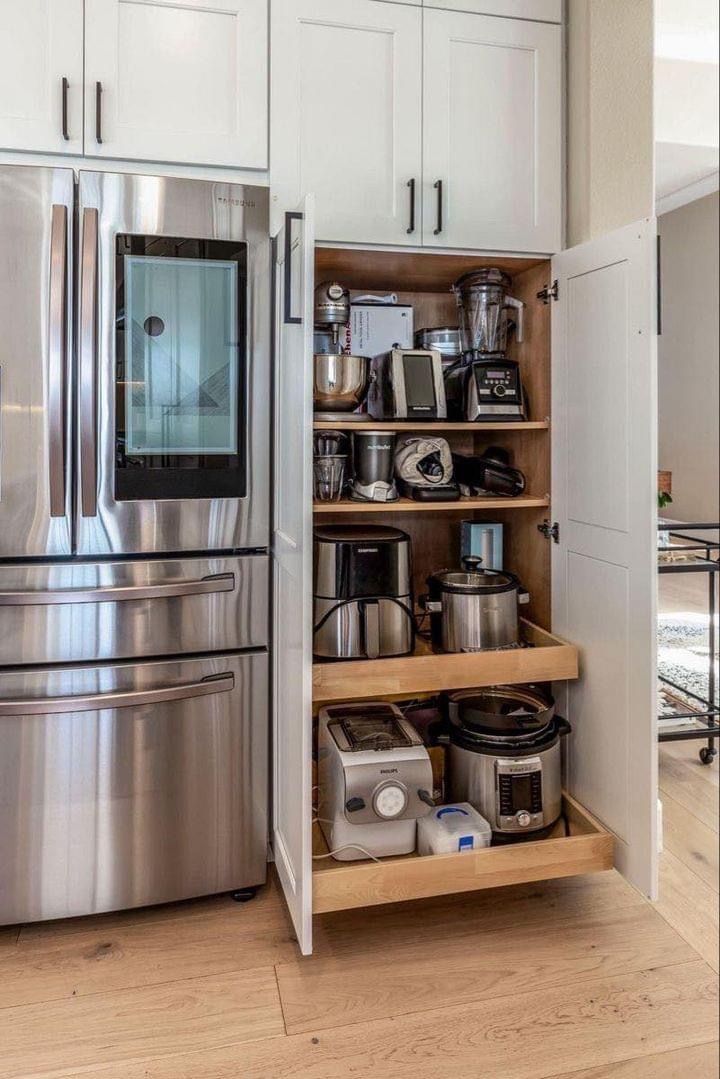
Example organizers include:
- Wire shelves and dividers
- Adjustable floating shelves
- Acrylic and glass organizers
Pull-out and Slide-out Organizers
Pull-out and slide-out organizers are excellent for reaching deep into cabinets and maximizing accessibility. These organizers enable you to access hard-to-reach items easily, reducing strain on your back and arms. Moreover, they encourage a first-in, first-out (FIFO) approach to inventory management, ensuring fresh ingredients and products are used before they expire.
Popular pull-out and slide-out organizers include:


- Full-extension drawer slides
- Pull-out pantry organizers
- Slide-out shelves and bins
- Tiered spice and bottle organizers
Zoning and Grouping for Efficient Storage
Zoning and grouping items according to their function, frequency of use, and size can significantly improve your kitchen's organizational efficiency. By creating distinct zones for various cooking and cleaning tasks, you can streamline your workflow and reduce time wasted searching for tools and ingredients.
Here's a suggested zoning plan for optimal kitchen cabinet layout:
Zone 1: Cooking
Dedicate a section of your cabinets exclusively to cooking tools, such as pots, pans, utensils, and appliances. Keep frequently-used items at eye level and less-used items on higher or lower shelves. Store items that are typically used together near each other, for example, place measuring cups and spoons next to dry ingredients like flour and sugar.


Example items to include in the cooking zone:
- Pots and pans
- Cookware (skillets, woks, griddles)
- Baking sheets and pans
- Measuring tools
- Mixing bowls
Zone 2: Prep
Designate another cabinet area for food preparation, housing ingredients, mixing bowls, and small appliances such as blenders and food processors. Group ingredients by type, i.e., grains, proteins, and produce, to make it easier to find what you need during meal planning and cooking. Store frequently-used ingredients at eye level and less-used items on higher or lower shelves.
Example items to include in the prep zone:
- Dry ingredients (flour, sugar, spices)
- Canned goods
- Pasta and rice
- Baking soda and powder
- Small appliances (blenders, food processors)
Zone 3: Dishes and Flatware
Set up a dedicated cabinet zone for dishes, glassware, and flatware to create a convenient serving area. Keep everyday dishes and glasses at eye level, while less-used items can be stored on higher or lower shelves. Group items by type and size, with larger items like serving platters and awkwardly-shaped items like cake stands, placed at the back or on higher shelves.
Example items to include in the dishes and flatware zone:
- Plates, bowls, and cups
- Glassware (glasses, mugs, stemware)
- Flatware (forks, knives, spoons)
- Serving dishes and platters
By implementing these tips and creating a well-organized kitchen cabinet layout, you'll transform your once chaos-ridden space into a model of efficiency and functionality. Embrace the power of a well-designed kitchen, and unlock its potential to optimize your cooking and cleaning experiences. Happy organizing!
Related Articles

Best L-Shaped Kitchen Layouts with Island: Optimize Your Space
When it comes to maximizing space and functionality in compact kitchens, the L-shaped layout with an island stands out as a tried-and-true solution. This...

Optimize Your Kitchen Space: Hanging Cabinets with built-in Microwave Shelves
Transforming your kitchen into an organized and efficient space often revolves around smart storage solutions, with hanging kitchen cabinets featuring a...

Maximize Your Space: Best U-Shaped Kitchen Layouts for Small Spaces
If you're working with a small U-shaped kitchen, designing an efficient and pleasing layout can be a challenge. But with the right planning, you can create a...

Optimize Your Kitchen Space: Best End Cabinet Storage Ideas
Maximizing space and efficiency in your kitchen is a pressing issue for many homeowners. A significant part of this quest for optimization lies in the...

Optimize Your Culinary Space: 15+ Restaurant Kitchen Layout Templates
In the bustling world of fine dining, a well-designed kitchen layout is not just advantageous but tantamount to operational success. It's the silent heartbeat...

Optimize Your Bathroom: Best Sink Toilet Layouts for Space and Style
Are you considering a bathroom remodel or perhaps building a new home from the ground up? One essential aspect you won't want to overlook is the sink toilet...