Earthquakes Triggering Other Natural Disasters
Earthquakes, those awe-inspiring yet terrifying:nth shaking of the Earth's crust, have long captivated scientists and the public alike. But can these seismic events trigger other natural disasters? The answer is a resounding yes, as earthquakes can indeed set off a chain of catastrophic events. Let's delve into the fascinating world of seismology to explore this further.
Earthquakes, at their core, are a result of the sudden release of built-up energy in the Earth's crust. This energy release causes waves of energy to radiate outward from the affected area, shaking the ground and causing damage. But the story doesn't end there. These initial seismic waves can sometimes initiate a cascade of other natural disasters.
Secondary Seismic Events
One of the most immediate effects of an earthquake is a series of secondary seismic events. For instance, aftershocks are smaller earthquakes that follow the main one, due to the readjustment of fault structures in the aftermath of the main quake. Aftershocks can continue for weeks or even months after the initial earthquake.


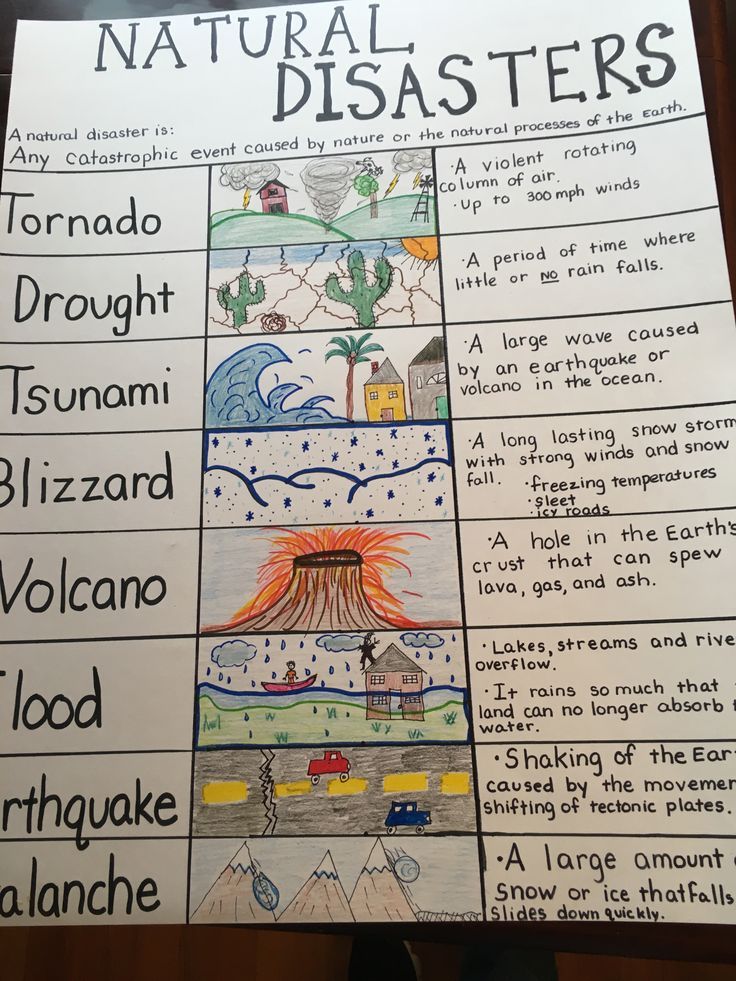
Moreover, earthquakes can trigger landslides and rockfalls. The shaking ground can loosen soil and rock, causing them to tumble down slopes. In mountainous regions, this can lead to devastating avalanches. Heck, some of the world's most deadly landslides have been triggered by earthquakes, such as the 2014 earthquake in Nepal, which caused a massive landslide in the Mount Everest region.
Tsunamis: The Deadly Seismic Wake-Up Call
Perhaps the most infamous secondary disaster caused by earthquakes is the tsunami. Underwater earthquakes, known as submarine or volcanic earthquakes, can trigger sudden and massive displacement of water. This generates a wave that travels outward at high speeds, often causing catastrophic destruction along coastal areas.


Take the 2004 Indian Ocean earthquake and tsunami for instance. The quake, with a magnitude of 9.1-9.3, released as much energy as 23,000 Hiroshima bombs, generating a series of tsunamis that devastated coastal communities in several countries, claiming over 230,000 lives.
Volcanic Activity: A Spark Igniting a Deadly Fire
Earthquakes can also set off volcanic activity. The shaking can cause pressure to build up in magma chambers, leading to eruptions. Conversely, volcanic activity can also trigger earthquakes. период Such a dynamic duo was observed in the 2018 eruption of Anak Krakatau volcano in Indonesia, which triggered a series of earthquakes.
The perturbation doesn't stop there. Volcanic eruptions, in turn, can trigger other natural disasters. Ashfall and pyroclastic flows can cause deaths and property damage, while lahars (volcanic mudflows) can swallowing up entire communities. The 2018 Anak Krakatau eruption led to a devastating tsunami, as the eruption caused the already unstable volcano to collapse into the sea.


The Climate Fuse: Effects on Weather Patterns
Earthquakes can even have an impact on weather patterns. Large earthquakes releasing enormous amounts of energy into the atmosphere can cause short-term weather anomalies. A study published in the journal Geophysical Research Letters found that large earthquakes can cause a brief chill in the lower stratosphere, as the heat and energy from the earthquake draws heat upward.
However, the relationship between earthquakes and weather is complex and not fully understood. While there have been numerous anecdotal claims of unusual weather patterns preceding earthquakes, robust scientific evidence to support these claims is limited. Moreover, it's important to note that the effects of earthquakes on weather are typically localized and short-lived, unlike the global impact of climate change.
Earthquakes, it's clear, can set off a chain of catastrophic events. From secondary seismic events to tsunamis, volcanic activity, and even brief weather changes, the impact of these seismic shifts is far-reaching. But while this knowledge might be sobering, it also empowers us. Understanding these interconnected natural disasters can help us better prepare and respond to future events, saving lives and mitigating suffering. So, let's not just stand by shook, but let's stay informed and ready.


Related Articles

الراحة لل պատճառات +++++ bathroomdesign.md Bathroom Design Ideas for Small Spaces Decorating a small bathroom can be a challenge, but with the right design ideas, you can create a functional and stylish space. Here are some inspiration and tips for creating the perfect small bathroom. 1. **Maximize Vertical Space** - Install wall-mounted sinks and floating shelves to create an airy feel and make the most of your vertical space. - Use tall, narrow cabinets and consider open shelving to keep the room feeling spacious. 2. **Use Light Colors** - Light colors reflect light and make a small room feel brighter and more open. Opt for white, light gray, or pastel shades. - Include some natural light by placing a window or skylight, if possible. 3. **Mirror, Mirror** - Mirrors reflect light and create the illusion of depth, making your bathroom feel bigger. Place a large mirror above the sink or opt for a mirrored medicine cabinet. - Consider a mirror with built-in lighting for added functionality and brightness. 4. **Go Minimalist** - Keep clutter to a minimum by incorporating storage into your design, such as small cabinets, baskets, or wall-mounted trays. - Opt for simple, clean lines in your fixtures and decor to create a streamlined look. 5. **Choose a Small Bathtub or Shower** - If you must have a bathtub, consider a compact model or a combination shower-tub unit to save space. - Alternatively, opt for a shower with a glass door to create an open, airy feel. 6. **Use the "Jack and Jill" or Half Bath Strategy** - If your space allows, consider creating two small bathrooms (one with a toilet and sink, and the other with a shower or bathtub) instead of one larger one. - This can be a great solution if you have more than one person using the bathroom at a time. 7. **Make Use of Niche Spaces** - Don't ignore small nooks and crannies – a narrow countertop, a sliver of wall, or an alcove can all be put to good use with clever storage solutions or decorative accents. 8. **Marabou Bathroom Ideas - A half bath or powder room can be a great opportunity to make a bold statement with your design. - Consider unique wallpaper, dramatic lighting, and eye-catching fixtures to create a memorable space. 9. **Install an Ensemble of Standard-Size Fixtures** - Opting for standard-size fixtures (like a 30-inch vanity or a 60-inch bathtub) that fit perfectly in your space can help you avoid the need for costly custom-built pieces. 10. **Don't Forget the Details** - Small touches like glossy tile, sleek hardware, and modern lighting can elevate your design and make your small bathroom feel polished and complete. With these design ideas in mind, you're well on your way to creating a functional, stylish, and comfortable small bathroom. Happy decorating!
Ah, the time-honored challenge of decorating a bathroom that not only fits your style but also ticks all the boxes for future tenants. Fret not, for we've...

Certain Foods Triggering H. pylori Bacteria
The idea that certain foods can impact the proliferation of Helicobacter pylori , a common bacterial infection in the stomach, is a topic of significant...

Earthquakes: The Hidden Dangers of Sinking Land
Earthquakes, nature's most powerful forces, often leave us wondering about the extent of their impact. One such question that frequently arises is, "Can...

Natural Carbon Sink Examples
Natural carbon sinks are critical components of our planetary ecosystem, playing a pivotal role in maintaining the balance of carbon dioxide (CO2) in our...

Cabin Filter Alternatives: Other Names & Types
Ever felt puzzled by the various names for that humble yet crucial car component, the cabin air filter? You're not alone. While it serves a simple purpose –...

"Natural Cleaning Recipes That Actually Work"
Tired of harsh chemicals and hefty price tags when it comes to keeping your home clean? It's time to embrace the power of nature with these homemade cleaning...