Corner Kitchen Sink: Pros, Cons, &Considerations
A well-designed kitchen can make a world of difference in your daily life, and the corner kitchen sink often plays a central role in this space. But is a corner sink the right choice for your home? Let's explore the pros and cons of corner kitchen sinks to help you make an informed decision.
Corner sinks are not one-size-fits-all. They come in various styles, sizes, and configurations, each with its unique advantages and disadvantages. In this comprehensive guide, we'll dive into the details, highlighting the benefits and drawbacks to help you determine if a corner sink is the perfect addition to your kitchen.
Advantages of Corner Kitchen Sinks
The corner kitchen sink, with its unique location and design, offers several advantages that might make it an ideal choice for your home.


Firstly, they **save counter space**. By utilizing an often underutilized area - the corner, they maximize your countertop real estate, leaving more workspace for prep and meals. This is particularly beneficial in small and Galley kitchens where every inch counts.
Improved Efficiency and Ergonomics
Corner sinks can create a more efficient work triangle. With one point occupied by the sink, the cooking and storage areas are naturally positioned across from each other, reducing the distance between them. This design promotes better workflow and can minimize unnecessary steps during food preparation and cleanup.


Moreover, **ergonomics are enhanced** with a corner sink. The corner location allows for easier access to both sides of the sink, making it easier to wash large pots and pans or use both sides of the sink simultaneously. This can save time and energy, making tasks like meal prep and clean-up more manageable.
Design and Aesthetics
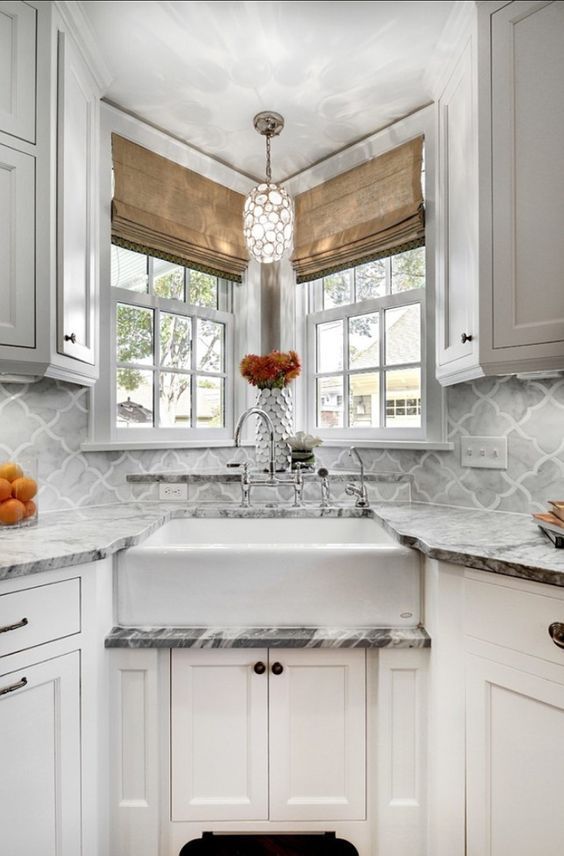
Corner sinks come in a variety of styles and materials, allowing them to fit seamlessly into virtually any kitchen design. From traditional farmhouse sinks to modern granite composite sinks, there's a corner sink option to suit every taste and budget.
For many homeowners, the **unique aesthetics** of corner sinks are a significant advantage. Their unusual placement can become a stunning focal point in the kitchen, adding charm and character to the space.


Disadvantages of Corner Kitchen Sinks
While corner sinks offer several advantages, they are not without their drawbacks. Understanding these potential disadvantages is crucial before making a final decision.
One of the primary issues with corner sinks is **accessibility**. Due to their location, reaching the back of the sink can be challenging, making it difficult to clean and maintain. This can also pose ergonomic issues, causing strain on the back or arms when trying to reach the sink's far corners.
Limited Counter Space
While some corner sinks may save counter space, others can actually **reduce usable countertop area**. This is often the case with large, double-bowl sinks that extend into the center of the room. Proper planning is essential to ensure you're not sacrificing valuable counter space for a corner sink.




Additionally, **installation can be complex**. The corner location means plumbing and fitting might be more challenging and costly compared to traditional under-the-counter sinks. This is particularly true for installations involving angled or Catlett plumbing.
Layout Restrictions
Corner sinks can **limit your kitchen layout options**. With one corner dedicated to the sink, you may have fewer choices for the placement of cabinets, cooktops, and other appliances. This could potentially reduce your kitchen's flexibility and appeal to future buyers if you're considering resale.
In conclusion, corner kitchen sinks can be an excellent choice, offering space-saving, ergonomic, and aesthetic benefits. However, they might not be suitable for everyone, given their accessibility and layout limitations. Careful consideration of your specific needs and constraints will help you decide if a corner sink is the right choice for your dream kitchen.
Related Articles

Pros and Cons: Single vs Double Kitchen Sink
When it comes to choosing kitchen sinks, two of the most popular options are single and double bowl sinks. Both have their own unique advantages and...

Pros and Cons of Kitchen Island Sinks: A Comprehensive Guide
The kitchen island sink, a blend of functionality and aesthetics, has become a popular choice among homeowners. It serves as the focal point of many modern...

Stainless Steel Kitchen Sink: Pros & Cons
Dive into the world of kitchen design with one of the most popular staples: the stainless steel kitchen sink. Sleek and robust, it's a mainstay in countless...

Pros and Cons of One Large Kitchen Sink
TheAdvantages and Disadvantages of a Large Kitchen Sink When it comes to designing or renovating a kitchen, one of the key decisions you'll make is the size of...

Pros and Cons of Popular Kitchen Sink Materials
When it comes to choosing a kitchen sink, there's more to consider than just aesthetics. The material of your sink plays a significant role in its durability...
Pros and Cons of a Sink in Kitchen Island
When it comes to kitchen design, one of the most debated features is the sink in the kitchen island. Some homeowners swear by it, while others are keen on...