Countertops or Appliances: Which Goes In First?
When embarking on a kitchen remodel, one of the most common questions homeowners ask is: do countertops or appliances go in first? The answer to this question depends on a few factors, including the specific order of your installation, the type of countertops you're using, and your overall project timeline.
Before diving into the installation process, it's crucial to understand the relationship between these two key elements of your kitchen. Countertops, which cover the base cabinets and provide a workspace for food preparation, are typically installed before appliances. However, there are exceptions to this general rule, particularly when it comes to certain appliance types and specific countertop materials.
Countertops vs. Appliances: Installation Sequence
In most cases, countertops should be installed before appliances to ensure a proper fit and avoid potential issues. Here's why:


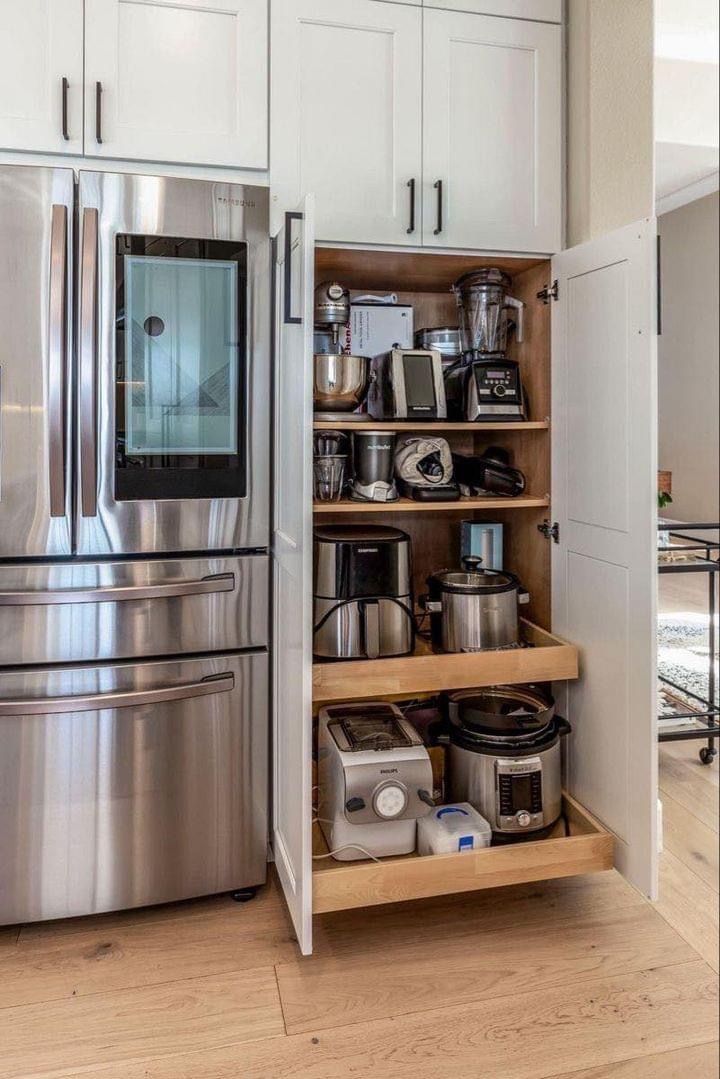
Precision and Accuracy: Countertops are typically measured and cut to fit the exact dimensions of your cabinets. Installing appliances first can introduce inaccuracies, as you'll need to adjust your countertop measurements to accommodate equipment that might not be perfectly level or aligned.
Base Cabinet Support: Countertops provide additional support and structurally reinforce the base cabinets. Installing appliances first may place unnecessary stress on the cabinets, potentially warping or damaging them over time.


Exceptions to the Rule
While countertops typically come first, there are situations where installing appliances before countertops may be necessary or recommended:
Heavy Appliances:非常重的家电,如炉子或大型.separator systems,可能需要在安装计划的早期安装,以便在安装计算系统之前支撑和固定这些设备。这种情况下,请确保您的基础柜子可以提供足够的支撑,并ließen您的计算系统在设备已安装和固定后进行最终调整。
Specialty Countertop Materials : Some high-end countertop materials, like granite or quartz, may require specific appliance installations before the countertops can be fabricated. For example, if you're installing an undermount sink, the cabinet base will need to be installed first to allow for precise measurements and cuts.Communicating with Your Contractor
Regardless of whether you're working with a professional contractor or tackling your remodel as a DIY project, clear communication about the preferred installation sequence is essential. Your contractor or installer should be well-versed in the specific requirements for your chosen appliances and countertop materials, and they can provide tailored advice for your unique situation.


Pro tip: When discussing your timeline and budget with your contractor, make sure to factor in additional expenses that may be associated with re-working or correcting installations that were completed out of sequence.
Countertop and Appliance Installation: Step-by-Step
Now that you understand the general sequence for installing countertops and appliances let's explore the step-by-step process for each element:
Countertop Installation: After your cabinet bases have been installed and are secure, your countertops can be measured, cut, and installed. Here's a simplified overview of the process:


Measure and Cut
Measure and mark your countertop pieces according to your cabinet dimensions. Use a circular saw or jigsaw to cut along the marked lines, ensuring precision with a straight edge guide.
Install Support Brackets
Attach support brackets, such as undermount or undermount support systems, to the bottom of your countertop where required.
Apply Adhesive
Apply a bead of construction adhesive along the underside of your countertop, then carefully place it onto the base cabinets, using shims if necessary to ensure a level installation.
Secure the Countertop
Fasten the countertop to the base cabinets using screws or other appropriate fasteners. Allow the adhesive to cure according to the manufacturer's instructions.
Appliance Installation: With your countertops now securely in place, you can proceed with installing your appliances. Here's an overview of the process:
Prep the Appliance Area
Ensure the area around your appliance is clean and free of debris. For ranges or cooktops, make sure the electrical or gas connections are properly installed and accessible.
Install the Appliance
Follow the manufacturer's instructions for lifting and positioning the appliance onto-slide into-place. Level the appliance and secure it to the wall or cabinet with appropriate fasteners.
Connect Utilities
Connect the appliance to the appropriate utility, such as water, gas, or electrical lines, and double-check that all connections are secure and functioning correctly.
By following this step-by-step guide and understanding the relationship between countertops and appliances, you'll be well on your way to a successful kitchen remodel. With careful planning and attention to detail, you can avoid common pitfalls and achieve the stunning, functional space you've always wanted.
As your project reaches its final stages, take a moment to appreciate the hard work and effort that's gone into transforming your kitchen. With regular maintenance and care, your new space will continue to bring joy and functionality to your home for years to come. Whether you're cooking up a family meal or hosting friends for a dinner party, your new kitchen is ready to create lasting memories and serve as the heart of your home.
Related Articles

Countertops or Appliances: Which Comes First?
When embarking on a kitchen remodel or new construction project, one of the first questions that homeowners and professionals often ask is: "Do you install...

Best Kitchen Appliance Brands: Top Picks for Your Home
When it comes to equipping your kitchen with top-notch appliances, the wealth of brands available can be overwhelming. But don't worry, we're here to help you...

Install Upper or Base Cabinets First: Which Comes First
Whether you're a seasoned carpenter or a DIY enthusiast embarking on your first cabinet installation project, the question "do you install upper or base...

Granite vs Quartz: Which Countertops Are Better?
Granite and quartz are two of the most popular choices for kitchen and bathroom countertops due to their durability, beauty, and functionality. But when it...

5 Stunning Types of Kitchen Cabinet Doors (Note: I have used capitalization according to the title case style where proper nouns are capitalized, which includes the first word.)
Kitchen cabinet doors are not only functional but also play a significant role in the aesthetics of your space. With numerous options available, choosing the...

Which Comes First: Pen or Pencil in Alphabetical Order?
Ever argued with a friend about the order of "pen" and "pencil" in alphabetical order? It's a seemingly simple question, but the answer can be surprisingly...