DrawIO Wiki: Mastering Drawer Controllers
In the realm of IoT development, controllers play a pivotal role in facilitating seamless hardware-software integration. Among the numerous options available, the Drawer Controller IO stands out, offering a robust, versatile, and elegant solution for interfacing with the physical world. This in-depth guide dives into the intricacies of the Drawer Controller IO, its applications, and best practices for its usage in your IoT projects.
Before delving into the specifics, let's first understand the core concept. The Drawer Controller IO is an open-source hardware platform, designed by the community, for the community. It simplifies the process of connecting a wide array of sensors and actuators to the microcontroller, thereby expediting your project's development without compromising on functionality.
The anatomy of Drawer Controller IO
The Drawer Controller IO, often abbreviated as DCIO, is characterized by its modular design and extensive connectivity options. At its heart lies the ESP32, a low-power, single-core microcontrollerwith integrated Wi-Fi and dual-mode Bluetooth, making it an ideal choice for IoT projects.


Enclosing the ESP32 is a shield, aptly named the Drawer, which houses the controller's connectivity functionalities. This Drawer shield facilitates connection to a plethora of sensors and actuators, expanding the controller's capabilities to suit diverse project requirements.
Connectivity Options
At the core of DCIO's versatility lie its extensive connectivity options. The Drawer shield sports a comprehensive array of pins, compatible with popular sensor and actuator interfaces, such as I2C, SPI, UART, and ADC. It also features a breadboard-compatible expansion area, allowing for further customization and project-specific modifications.


Moreover, the DCIO comes equipped with a high-density header, enabling direct interfacing with popular expansion boards, such as those from the Adafruit family. This promotes seamless integration with an extensive ecosystem of shields, modules, and sensors, further enhancing the controller's flexibility.
Power Management
Powering the DCIO is a low-dropout (LDO) voltage regulator, ensuring stable output despite fluctuations in input voltage. This, coupled with the ESP32's intrinsic power-saving features, facilitates seamless operation in low-power applications, making the DCIO an excellent choice for battery-powered IoT projects.
The DCIO also offers multiple power input options, ranging from USB to Li-Po and Li-Ion batteries. This versatility enables developers to choose an appropriate power source depending on their project's constraints and requirements.


Applications of Drawer Controller IO
Given its robust connectivity, extensive power management, and modular design, the DCIO finds widespread application in various IoT projects. From smart home devices to wearables and environmental monitoring systems, the DCIO's adaptability makes it a firm favorite among developers.
A standout feature of the DCIO is its suitability for edge-of-network devices. Its low-power consumption, coupled with the ESP32's integrated wireless protocols, enables edge devices to transmit data over long distances, even in challenging network conditions.
Smart Home Automation
One of the most common applications of the DCIO is in smart home automation. Its compatibility with popular IoT protocols, such as MQTT and CoAP, facilitates seamless integration with cloud services and third-party applications. Further, the DCIO's extensive range of pin configurations enables it to control an array of smart home devices, from sensors and actuators to displays and LEDs.

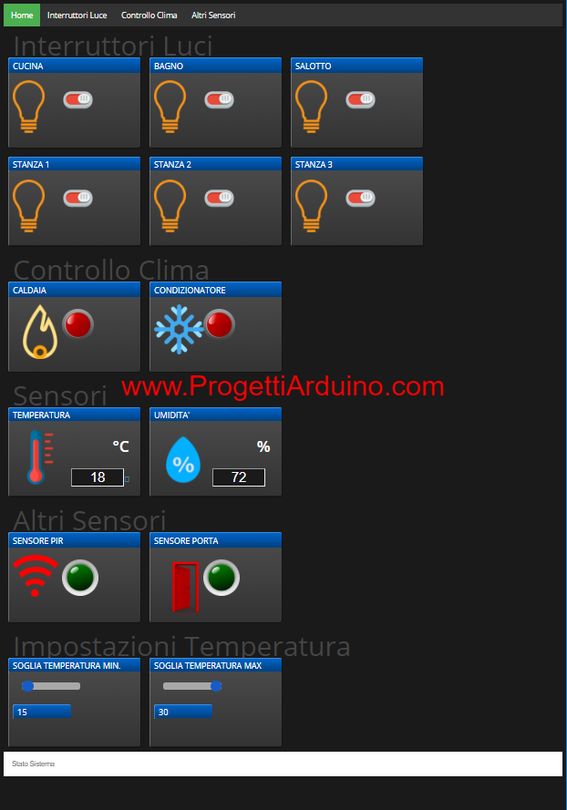


For instance, a DCIO-based project can monitor environmental parameters like temperature and humidity, control lighting and appliances, and even trigger alerts based on predefined rules. This showcases the DCIO's prowess in driving complex, yet intuitive, smart home ecosystems.
Data Logging and Edge Computing
The DCIO's suitability for edge-of-network devices extends to data logging and edge computing applications. Its onboard flash memory enables it to store large datasets, making it an ideal choice for offline data collection and processing. Coupled with the ESP32's powerful processing capabilities, the DCIO can perform complex calculations on the edge, minimizing data transmission and enhancing privacy.
For example, a DCIO-based system can compute and analyze local weather data, trigger alerts based on predefined thresholds, and only transmit critical data to the cloud. This not only reduces the burden on network resources but also ensures data privacy by minimizing information exchange.
In the thriving landscape of IoT, the Drawer Controller IO emerges as a shining beacon, facilitating swift, efficient, and adaptable development of hardware-interfacing projects. Whether you're a seasoned developer or an enterprising hobbyist, the DCIO's versatility and modular design promise an unparalleled IoT experience.
Related Articles

Mastering Me Interface Drawer Controller
The Me Interface Drawer Controller, a core component in Android's support library, is a powerful tool for creating intuitive and dynamic navigation experiences...

Mastering Drawer Controller Interface: Your Comprehensive Guide
A drawer controller interface is a critical component in furniture design, enabling smooth, seamless access to storage space. This interface comprises...

Mastering Minecraft: A Comprehensive Guide to Drawer Controller IO
Have you ever found the need to automate drawers in Minecraft? While Minecraft doesn't natively support this functionality, with the power of modding, it's...

Mastering DrawerController: Comprehensive Tutorial
A drawer controller is an essential component in robotics and automated systems, enabling precise and smooth linear motion. Understanding its working...

Minecraft Drawer Mod: Drawer Controller IO Mastery
Minecraft, the sandbox video game developed by Mojang Studios, has.xeinated players with its endless possibilities and creativity. One such enhancement that...

Minecraft Drawer Controller: Not Working? Here's the Fix!
Are you a Minecraft enthusiast experiencing frustration with your drawer controller? You're not alone. Many players have encountered the issue where their...