Duties of a Kitchen Manager: Expertise for Your Resume
A well-crafted kitchen manager resume is a critical tool for making a strong first impression and landing your dream job in the culinary industry. It's essential to highlight your unique blend of skills, experiences, and passion for food that sets you apart from other candidates. In this guide, we'll outline the key duties and responsibilities of a kitchen manager and provide tips on how to create an impressive resume that reflects your qualifications.
Before diving into the specific roles and responsibilities, it's crucial to understand the bigger picture. A kitchen manager is responsible for overseeing the day-to-day operations of the kitchen, ensuring food quality, consistency, and timely delivery. They play a crucial role in maintaining a smooth and efficient workflow, managing staff, and controlling costs. Now, let's explore the key duties that you should emphasize on your resume.
Food Preparation and Quality Control
The kitchen manager is accountable for maintaining high food quality standards and consistency across all dishes. They ensure that recipes are followed accurately, and ingredients are fresh and correctly portioned.


Highlighting your experience in menu planning, recipe development, and maintaining food quality records can demonstrate your commitment to ensuring your establishment serves the best possible dishes. Include examples of times when you implemented new recipes or procedures to improve food quality and consistency.
Menu Planning and Cost Control
Kitchen managers must have a solid understanding of food costs to ensure profitability. They monitor ingredient usage, negotiate pricing with vendors, and create menus that balance customer appeal with financial viability.


Emphasize your ability to analyze and control food costs on your resume. Discuss your experience in menu engineering, pricing strategies, and cost analysis. Include any success stories where you improved profitability through strategic menu planning or cost-cutting initiatives.
Staff Management and Training
Efficient management of kitchen staff is crucial for maintaining a productive and positive work environment. Kitchen managers recruit, train, and supervise kitchen staff, ensuring they maintain high performance standards and adhere to food safety regulations.
Demonstrate your leadership and team management skills by highlighting your experience in hiring, training, and developing kitchen staff. Share examples of times when you fostered a positive work environment, improved employee performance, or mentored team members to advance in their careers.


Inventory Management and Food Safety
Effective inventory management is essential for minimizing waste, reducing costs, and ensuring the availability of ingredients. Kitchen managers monitor inventory levels, place orders, and maintain efficient storage practices.
Showcase your experience in inventory management by discussing your use of inventory software, Eagle Eye tracking, or other systems to monitor stock levels and minimize losses. Highlight your commitment to maintaining a well-organized and clean storage area, reducing waste, and practicing proper food rotation.
Food Safety Compliance
Kitchen managers are responsible for ensuring that all food safety regulations are followed and that food is prepared and served under sanitary conditions. They develop and maintain food safety plans, train staff on food handling procedures, and monitor kitchen cleanliness.


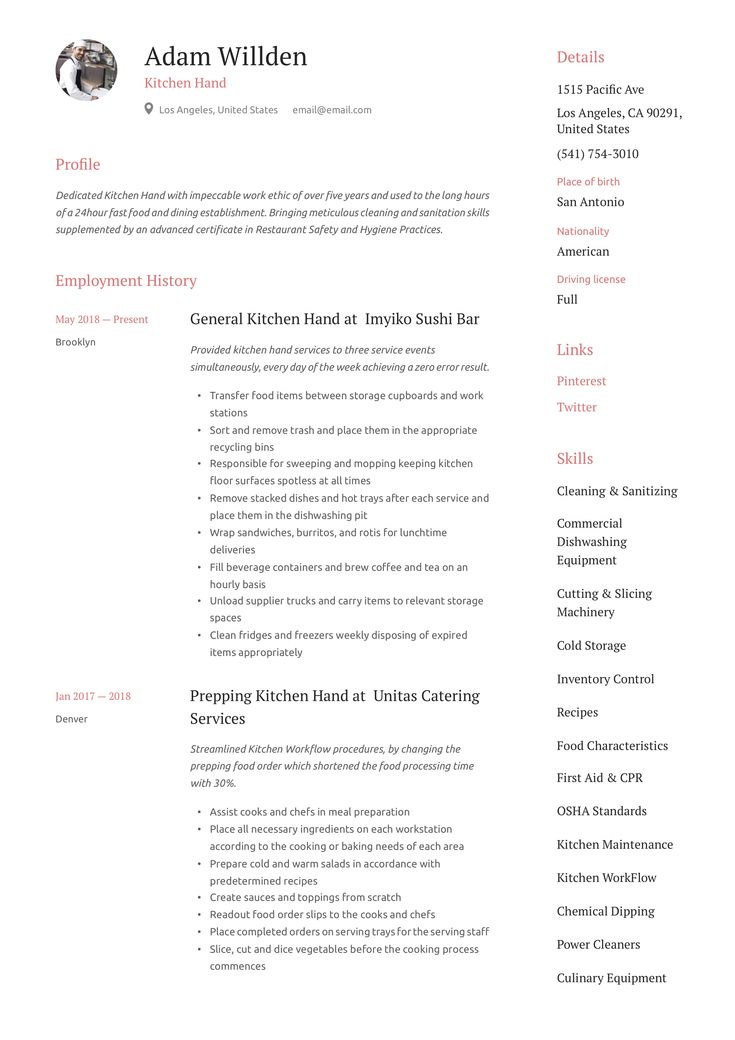


Emphasize your knowledge of food safety regulations and your experience in implementing food safety programs. Include any certifications, such as ServSafe or HACCP, that demonstrate your commitment to food safety and quality. Discuss your experience in conducting regular food safety audits, maintaining accurate food safety records, and addressing any non-compliance issues.
As a final thought, always tailor your resume to the specific job you're applying for, highlighting the most relevant skills and experiences for that particular role. Keep your resume concise, easy to read, and focused on the value you can bring to the organization. By effectively communicating your passion for food, leadership skills, and commitment to excellence, you'll create a powerful kitchen manager resume that draws the attention of potential employers and increases your chances of landing your dream job.
Related Articles
Kitchen Manager Duties Resume
As a crucial position in the culinary industry, a Kitchen Manager plays a pivotal role in ensuring smooth operations and high-quality food production. One of...

Kitchen Manager Resume
The kitchen manager is a pivotal role within the culinary industry, responsible for overseeing daily operations, managing staff, and ensuring the smooth...

Kitchen Cabinet Designer Resume Templates: Boost Your Job Chances
Crafting an impactful kitchen cabinet designer resume requires a blend of highlighting your creative skills, technical expertise, and relevant experience. As...

"Mastering Kitchen Duties: Your Comprehensive Checklist"
The kitchen is the heart of the home, a space where meals are prepared, memories are made, and chaos often ensues. To keep this vital space running smoothly...

Kitchen Helpers: A Comprehensive Guide to Your Duties
The role of a kitchen helper, also known as a kitchen steward or prep cook, is pivotal in ensuring a smooth operation and high food quality in restaurants...

Mastering Your Kitchen: PDF Checklist for Complete Kitchen Duties
In the heart of every home, the kitchen stands as a vibrant hub, a place where nourishment is prepared, and cherished memories are created. To maintain this...