Extra-Depth Upper Kitchen Cabinets: Maximize Space & Style
Ever found yourself stretching to reach the top shelf of your kitchen cabinets, cursing the day you agreed to standard heights? It might be time to consider going extra deep with your upper cabinets. Not only does this solve the universal struggle of tall folks and_storage fanatics, but it also adds a touch of modern elegance to your kitchen. Let's delve into the world of extra deep upper kitchen cabinets.
Before we dive in, let's define our terms. Extra deep upper cabinets typically start at 24 inches in depth, going up to a whopping 36 inches. To put that in perspective, standard cabinets are around 12-15 inches deep. Now, let's explore the advantages, design options, and how to incorporate these deeper cabinets into your kitchen.
Maximizing Storage Space
dump=2> The most obvious benefit of extra deep upper cabinets is the insane amount of storage space they offer. Gone are the days of double stacking plates and praying they won't topple over. With deeper cabinets, you can store everything from bulkier appliances to your grandma's bulky china collection, all within easy reach.


Moreover, deep upper cabinets can accommodate deeper countertops, providing more work space for cooking, prepping, or simply displaying your impressive collection of cooking magazines. It's a win-win situation that every homeowner can appreciate.
Storing Large Appliances
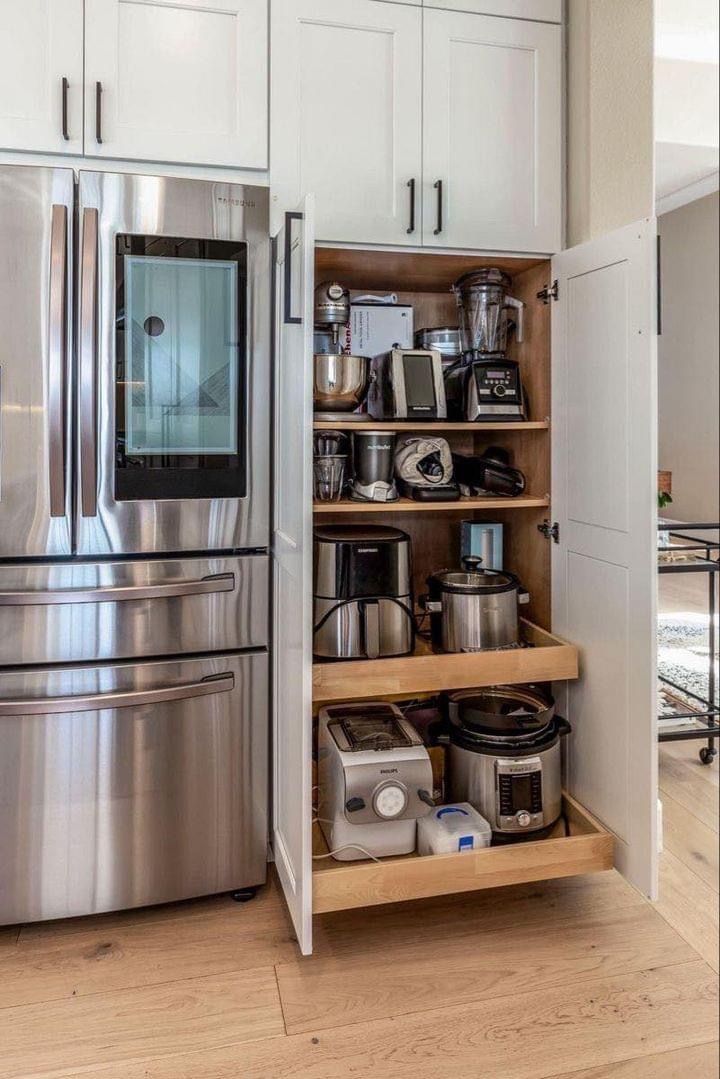
Kitchen gadgets, small appliances, and even full-sized appliances can now find a home in your upper cabinets. Imagine having your stand mixer, food processor, and blender all stored neatly away, yet still accessible. No more cluttering countertops or precious floor space.


Displaying Collections
Deep upper cabinets with glass doors are perfect for displaying decorative items, creating a stunning visual interest in your kitchen. Whether it's a collection of fine china, vintage cookware, or even artwork, these cabinets can transform your kitchen into a beautiful showpiece.
Design Considerations
Of course, going extra deep isn't without its design considerations. Let's navigate these potential challenges and turn them into opportunities.
For starters, deeper cabinets can make a kitchen feel smaller if not managed properly. To counter this, consider using glass or open shelving for some of your cabinets to maintain an airy, open feel. Additionally, lighter cabinet colors and reflective surfaces can help bounce light around the room, creating a more spacious atmosphere.


Cabinet Doors and Hardware
Extra deep upper cabinets require wider and often taller doors to cover them. This means you'll have more options for door styles, from classic raised panel to modern slab doors. Opt for recessed or flat panel styles to maintain a sleek, contemporary look.
As for hardware, consider larger pulls and knobs to accommodate the scale of your cabinets. This could mean using longer knobs to cover more surface area or installing twin knobs for easier access to wider doors.
Countertop Heights
With deeper cabinets come higher countertops, which can pose challenges for shorter users. To mitigate this, consider installing a countertop height that accommodates both taller and shorter users. Alternatively, you could opt for a mix of regular and extra deep cabinets to provide a balance between storage and accessibility.


Installation and DIY
Installing extra deep upper cabinets isn't without its challenges, but it's not impossible. In fact, with careful planning and the right tools, many homeowners choose to tackle this project as a DIY.
Before you start, measure your space carefully to ensure you're ordering the right cabinets. Remember to consider any plumbing, electrical, or HVAC elements that might affect your installation. If you're unsure, don't hesitate to consult a professional.
Hiring a Professional
If the thought of installing cabinets leaves you cold, consider hiring a professional. They bring expertise, tools, and experience to the job, ensuring your cabinets are installed safely and properly.
DIY Steps
If you're determined to go the DIY route, here are some basic steps to guide you:
- Measure your space and order your cabinets.
- Prepare your walls by ensuring they're flat and even.
- Install your upper cabinet supports and toe kicks.
- Hang your first cabinet, ensuring it's level and plumb.
- Use shims to keep cabinets level as you install the rest.
- Attach the cabinets to each other and the wall for stability.
- Install your countertop, ensuring it's level and supported.
- Install your cabinet doors, drawers, and hardware.
Remember, safety is key when installing cabinets. Always wear safety gear, use the right tools, and don't hesitate to ask for help if you need it.
As you step back to admire your newly installed extra deep upper cabinets, remember that this is more than just a storage solution. It's an investment in your home, your lifestyle, and your sanity. With these deeper cabinets, you're reclaiming your kitchen, making it a space that's not just functional, but inspiring too.
Related Articles

Maximize Space: Exploring Extra Deep Kitchen Base Cabinets
Ever dreamed of transforming your kitchen into a sleek, organized space? If you're tired of bending down to retrieve pots and pans, or struggling to find...

Maximize Space: Top Solutions for Extra Kitchen Storage Cabinets
Are you tired of cluttered countertops and overflowing cabinets in your kitchen? It might be time to consider an extra kitchen storage cabinet. This additional...

Under Cabinet Kitchen Shelf: Maximize Space & Style
Maximize your kitchen space and keep it organized with a clever addition: kitchen shelf under cabinets. This often-overlooked space can be transformed into a...

Maximize Space: Kitchen Deep Drawer Cabinets
Are you tired of bending over or stooping down to reach forgotten items at the back of your kitchen cabinets? It's time to consider a complete game-changer...

Maximize Space: Clever Storage Ideas for Upper Corner Kitchen Cabinets
Ever noticed the often underutilized space in your kitchen cabinets? The upper corners, in particular, can become a repository for forgotten items, or stay...

Maximize Space: Deep Drawer Kitchen Base Cabinets
Deep drawer kitchen base cabinets have emerged as a popular and practical solution for efficient storage and organization in modern kitchens. These cabinets...