Is Wayfair Online Store Only?
When it comes to shopping for home decor and furniture, Wayfair has become a household name. With a vast collection spanning thousands of products, it's easy to wonder: Is Wayfair an online-only store?
Wayfair indeed started as an online retailer and has kept its roots there, but it has since ventured into the physical realm as well. Let's delve into the intricacies of Wayfair's shopping experience to clarify this confusion.
Wayfair's Online Presence
Unbeknownst to many, Wayfair's online journey began back in 2002 with CSN Stores, an online retailer that aggregated products from diverse sellers. It wasn't until 2011 that the company rebranded as Wayfair, focusing solely on home products.


Today, Wayfair's website boasts an expansive collection of indoor and outdoor furniture, decor, home improvement items, and more from thousands of brands. This extensive online catalog is one of the primary reasons for Wayfair's success in the e-commerce realm.
Wayfair's Online-Only Perks
Shopping online has its advantages, and Wayfair takes full benefit of these. Firstly, its user-friendly website and mobile app allow customers to sort and filter products, compare prices, and read reviews with ease.


Secondly, Wayfair's comprehensive online platform enables it to offer a vast range of products, competitive pricing, and prompt delivery, satisfying customers' needs for convenience and variety.
Wayfair's Online Store vs. Brick-and-Mortar Establishments
While Wayfair has expanded its reach into physical retail spaces, its websites - Wayfair.com and Allmodern.com - remain its primary channels for sales. The online stores provide ample product information, high-quality images, and customer reviews, ensuring informed decision-making.
Contrarily, physical stores offer opportunities for consumers to interact with products, increasing the chances of impulse buying. However, Wayfair's online platform caters to a broader audience looking for convenience, affordability, and variety.


Wayfair's In-Roads to Physical Retail
Although Wayfair is widely known as an online store, it has been making strides towards physical retail. In 2018, it opened its first offline store in the Natick Mall, Massachusetts, rebranding it as 'Wayfair Outlet.'
The physical retail space acts as a showroom, offering an up-close look at selected items, but most products remain available for purchase online. This hybrid model allows Wayfair to leverage the benefits of both online and offline retail.
Wayfair Showrooms
In 2019, Wayfair expanded into showrooms, opening five new locations across the US. These spaces host events, provide design inspiration, and allow customers to see and feel products in person. However, unlike traditional stores, they don't maintain inventory and operate exclusively as showrooms.


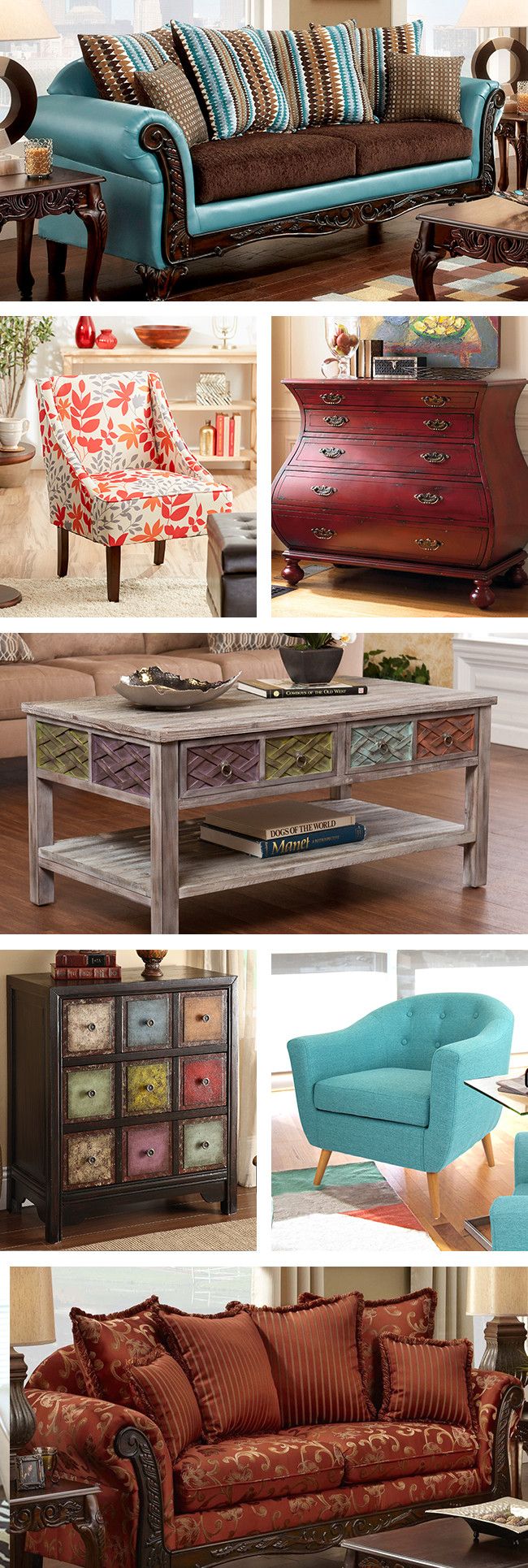


Wayfair's showrooms primarily focus on generating brand awareness, creating unique shopping experiences, and strengthening customer relationships. Although purchases initiated in showrooms must be completed online or via mobile devices, these physical spaces allow customers to interact with products before making a final decision.
Wayfair's Physical Expansion
Wayfair has also introduced physical pop-ups and shop-in-shops in partnership with other retailers. These initiatives allow Wayfair to reach new customers who may not traditionally shop online and expose the brand to high-foot-traffic retail spaces.
Although these physical expansions are part of Wayfair's larger retail strategy, the core of its business, and where it differentiates itself, remains firmly online.
In essence, Wayfair is primarily an online store, using the expansive reach and convenience of e-commerce to its advantage. However, its recent ventures into physical retail spaces showcase its adaptability, indicating that Wayfair is embracing a blended approach to meet evolving consumer demands.
Related Articles
Is Wayfair Online Only?
When exploring the vast landscape of online shopping, one name that often stands out is Wayfair. With an extensive catalog spanning across furniture, home...

Wayfair North Carolina: Is There a Store in NC?
Trawling online for home goods and furniture? Wayfair, a universally recognized name in the e-commerce scene, may have caught your eye. But as a resident or...

B&Q: Return Online Order to Store In-Store
Ever found yourself ordering a wrench from B&Q's website only to realize you need it today? Don't worry, B&Q has got you covered with their 'Buy Online...

Wayfair Store Nearby: Where to Find One Today
Ever found yourself in the middle of a home improvement project, realizing you're short on supplies, and desperately Googling, "Is there a Wayfair store around...

Is Wayfair a Physical Store?
When browsing for home decor or furniture, you might wonder, "Is Wayfair a physical store?" This e-commerce giant has grown to become a go-to destination for...
Is There a Physical Wayfair Store?
Wayfair, a prominent online retailer, specializing in home goods and furniture, has captivated consumers with its vast assortment and competitive pricing. This...