Kitchen Clerk Resume: Expert Tips & Examples
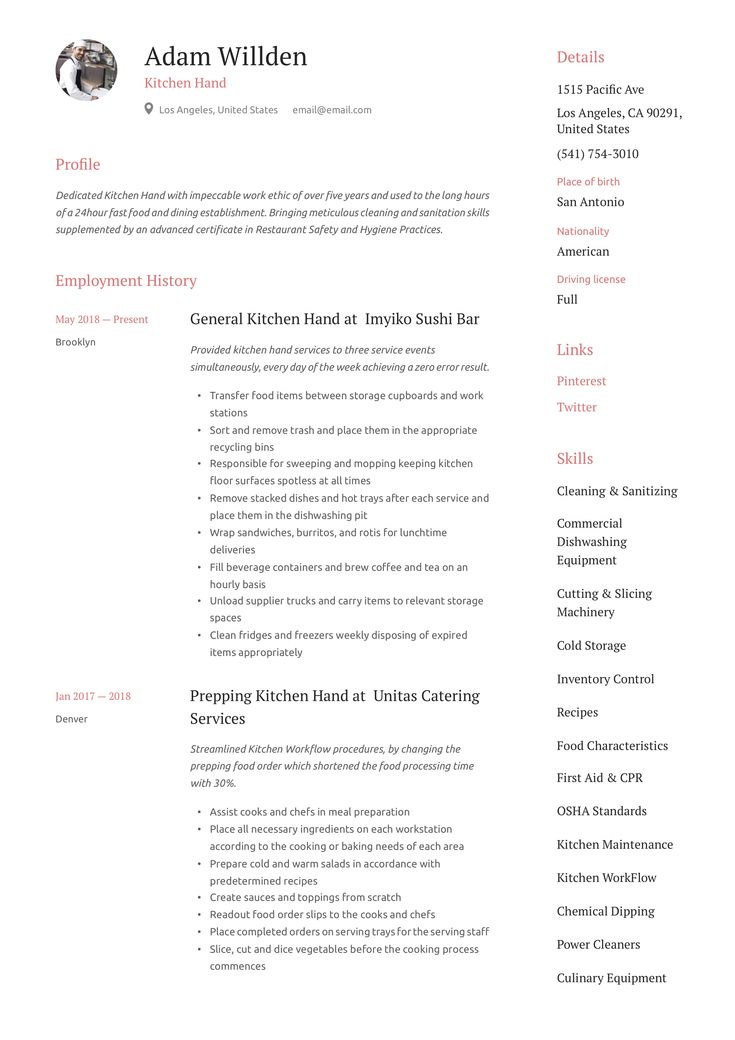
Crafting a compelling kitchen clerk resume requires a balance of listing your relevant skills and experiences while showcasing your passion for the culinary industry. As a kitchen clerk, you are the backbone of the kitchen, ensuring that the space is well-organized, clean, and well-stocked with necessary supplies. Here's a comprehensive guide to crafting an effective kitchen clerk resume that grabs hiring managers' attention.
Before diving into the writing process, it's crucial to understand what hiring managers look for in a kitchen clerk resume. They typically prioritize candidates with strong organizational skills, attention to detail, proficiency in inventory management, and a solid grasp of food safety regulations. By emphasizing these essential qualities, you'll be well on your way to creating a strong resume.
The Foundation: Formatting and Design
Aesthetically pleasing and easy-to-read resumes are more likely to be noticed and reviewed. Keep the font simple and clean, such as Arial or Calibri, in a size that ensures readability. Use bullet points, white space, and clear section headers to guide the eye through your resume, making it scannable and attractive.


Use a consistent format throughout your resume, keeping it concise and to the point. Aim for one to two pages, using bold or italic fonts sparingly and only to highlight relevant information. Make sure to save your resume in a PDF format to preserve the formatting and ensure compatibility with various applicant tracking systems.
Choosing the Right Resume Style
Most kitchen clerk positions favor a chronological or hybrid (combinational) resume format. A chronological resume emphasizes your work history, making it an ideal choice when you have a steady work record demonstrating progression and growth. Conversely, a hybrid resume allows you to focus on skills and experiences relevant to the kitchen clerk position, regardless of the order they occurred.


If you're a recent graduate or switching careers, lean towards a functional resume, which emphasizes your skills rather than your work history. Tailor your functional resume sections, such as Inventory Management, Food Safety, and Team Collaboration, to highlight your expertise and qualify you for the kitchen clerk position.
Highlighting Your Skills and Experiences
The most effective way to demonstrate your qualifications as a kitchen clerk is by highlighting your unique skills and accomplishments in your resume. Start with a strong, captivating summary at the top of your resume that briefly showcases your expertise and potential contributions to the hiring company.
Employers are on the lookout for candidates who can efficiently maintain kitchen inventory, streamline stockroom operations, and enhance overall kitchen productivity. In the skills section of your resume, emphasize your inventory management experience, proficiency in software like restaurant management systems, and familiarity with food safety regulations and best practices.


Quantifying Your Achievements
When describing your responsibilities and accomplishments in past roles, always aim to quantify your impact where possible. Instead of stating that you "managed kitchen inventory," describe the scope of your responsibilities, such as "Managed multi-million dollar inventory, reducing waste and improving stock efficiency by 25%.
Prospective employers want to see concrete evidence of your abilities and contributions. By using specific numbers and percentages to illustrate your achievements, you'll make a stronger case for your qualifications and better demonstrate your potential value to the organization.
Projecting Enthusiasm and Cultural Fit
While it's essential to showcase your skills and experiences, don't overlook the importance of conveying your passion for the culinary industry and your fit for the company culture. In your resume, highlight any relevant certifications, culinary competitions, or industry-related activities that showcase your dedication and enthusiasm.


Research the company and restaurant concept to understand their culture and values. Incorporate relevant keywords from the job posting into your resume, and tailor your summary and skills sections to emphasize how your background and personal qualities make you an ideal fit for their team.
Tailoring Your Resume for ATS Systems
Most large-scale restaurants and hospitality companies use Applicant Tracking Systems (ATS) to manage and screen job applications. To Increase your chances of making it past the ATS and into the hands of a hiring manager, incorporate relevant keywords from the job posting into your resume.
Before submitting your application, carefully review the job description and identify keywords related to skills, experiences, and qualifications. Naturally integrate these keywords into your resume, ensuring that your document is well-optimized for search algorithms and more likely to pass through ATS filters.
Crafting a Strong Cover Letter
A well-crafted cover letter is an excellent opportunity to further demonstrate your passion for the kitchen clerk position and connect with the hiring manager on a personal level. Start your cover letter by addressing the hiring manager by name, if possible, and briefly acknowledging the specific job posting.
In the body of your cover letter, elaborate on your relevant skills and experiences, providing context and details not included in your resume. Describe how your background and personal qualities make you an excellent fit for the role and the restaurant's culture. Conclude your cover letter by thanking the hiring manager for considering your application and expressing your eagerness to discuss the opportunity further.
When crafting your kitchen clerk resume, remember that each component should work together to form a cohesive, compelling narrative that showcases your qualifications and sets you apart from other candidates. With careful planning and attention to detail, you'll create a powerful resume that propels your job search and lands you the ideal kitchen clerk position.
Related Articles

Kitchen Island Detail: Expert Design Tips
Transforming your kitchen into a functional, engaging space often involves focusing on one key element: the kitchen island. This multifaceted component plays a...

Modern Kitchen Hardware: Expert Placement Tips
In the heart of every home, the kitchen stands as a sanctuary of functionality, style, and artistic expression. Modern kitchen hardware plays a pivotal role in...

Transform Your Space: Expert Tips for a Stunning Design Kitchen Renovation
Transforming your kitchen into a space you've always dreamed of is achievable with a well-planned renovation. More than just a room, the kitchen is the heart...

Expert Decluttering Tips to Banish Kitchen Duplicates
A well-organized kitchen is a joy to work in, but duplicates and excessive items can quickly clutter your space, making it harder to find what you need and...

Maximize Your Space: Expert Tips for Designing a Small Kitchen Layout
Transforming a small kitchen into a functional and inviting space can seem daunting, but with the right layout and design, even the coziest of spaces can be a...

Kitchen Support: Expert Troubleshooting Tips & Hacks
Considering a kitchen renovation or redesign? A well-planned layout can significantly enhance your space's functionality and aesthetics. One such layout is the...