Kitchen Staples: English Names for Common Ingredients
When cooking, especially in the English-speaking world, it's essential to know the English names of common kitchen ingredients. This knowledge not only aids in following recipes but also facilitates shopping and communication with other food enthusiasts. Let's delve into the English names of various kitchen ingredients, categorized into sections for easier understanding.
Knowing the English names of basic ingredients is a cornerstone of cooking in any language. Let's begin with the most fundamental groups.
Basic Ingredients
Starting with the basics, we have ingredients like flour, which is the central component in many baked goods. Sugar, both white and brown, is used to sweeten dishes. Spices like salt, pepper, and paprika bring out flavors, while herbs like basil, thyme, and oregano add freshness and aroma. Lastly, stock cubes or bouillon form the base for soups and stews.


Let's discuss some of these in detail:
Flour
Flour is a fine, powdery substance made from grinding cereal grains, the most common being wheat. It's the principal ingredient in baked goods like bread, cakes, and pastries. Types of flour include all-purpose, bread, and self-raising, each with its unique properties and uses.


All-purpose flour is the most versatile, suitable for various recipes. Bread flour, higher in protein, is ideal for yeast bread. Self-raising flour contains baking powder, making it perfect for quick bread and cakes.
Sugars
Sugars come in many forms, with white and brown being the most common. White sugar is refined, having a mild flavor and the highest sweetness. Brown sugar is less refined, retaining some molasses for added flavor and moisture. Other forms like powdered, caster, and demerara sugars each have unique textures and uses.
Caster sugar, finer than regular granulated, is perfect for meringues and icings. Powdered sugar, also known as icing sugar, is ideal for sweet toppings due to its fine texture. Demerara sugar, larger and less processed, provides a crunchy topping for baked goods.


Produce
Produce includes fruits and vegetables, the backbone of many dishes. Let's explore some commonly used produce and their English names.
Fruits are often used in desserts and beverages. Apples, bananas, and oranges are pantry staples. Berries like strawberries, blueberries, and raspberries add vibrancy to dishes. Vegetables are essential in savory dishes. The most common are potatoes, onions, carrots, and tomatoes. Leafy greens like spinach and kale are rich in nutrients.
Spinach, often used in salads and cooked dishes, is easily recognized. Kale, a hardy green, is excellent in smoothies and hearty soups. Tomatoes, botanically a fruit, are fundamental in sauces, salads, and stews.

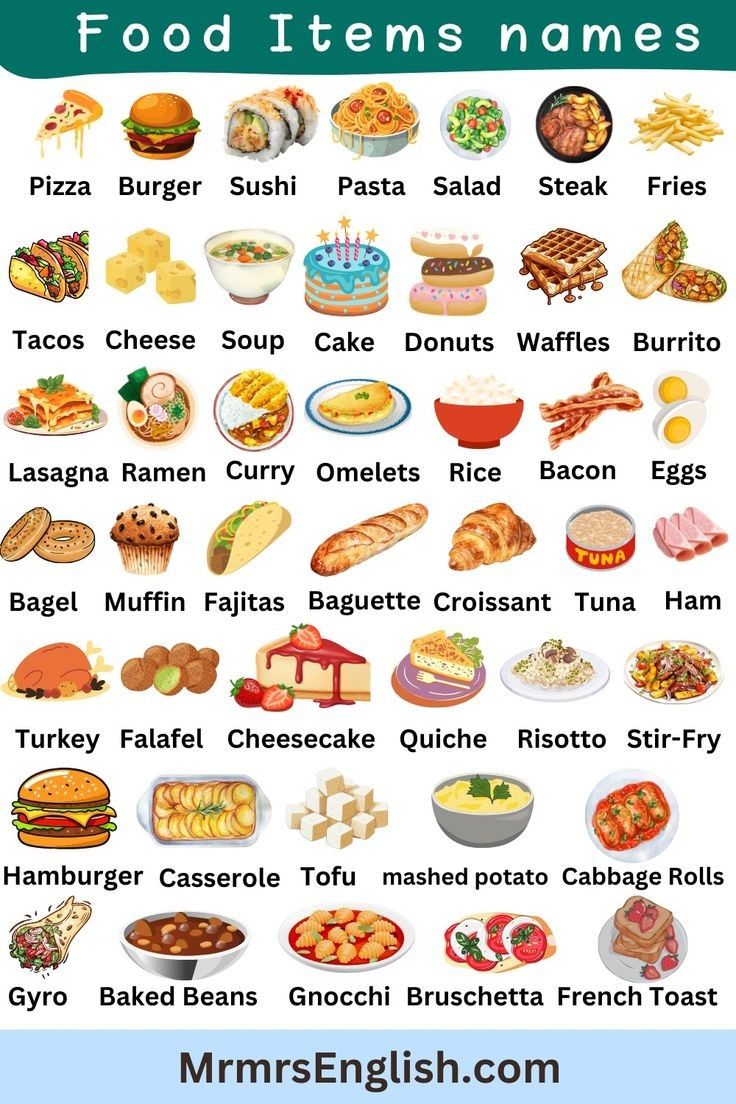


Onions
Onions, bulb-shaped vegetables with a strong aroma, are staples in many cuisines. They are used raw in salads, cooked in stews and curries, and deep-fried in appetizers. There are three main types: yellow, white, and red.
Yellow onions are the most common, with a slightly sweet, sharp flavor. White onions are milder, while red onions are sharper but turn a beautiful rose color when cooked. Green onions, also known as spring onions or shallot greens, are used for their mild onion flavor and crisp texture.
Herbs and Spices
Herbs and spices are flavor enhancers, often used interchangeably. They are typically added at the end of cooking to retain their freshness and aroma. Let's discuss some popular herbs and spices:
Basil, a fragrant leafy herb, is essential in Italian cuisine, especially in pesto. Thyme, another fragrant leafy herb, is perfect for roasted vegetables and soups. Oregano, with a warm, earthy flavor, is classic in Mediterranean dishes. Bay leaves add a subtle, pleasant aroma to soups and stews.
Paprika, derived from dried peppers, comes in sweet and spicy varieties. Cumin, with a warm, earthy flavor, is used in many cuisines worldwide. Peppercorns, picked from the Piper nigrum vine, come in black, white, and green varieties, each with distinct flavors.
Learning and correctly using these English kitchen ingredients not only enhances your cooking but also broadens your culinary horizons. So, stock up your pantry with these essentials and let your culinary journey begin!
Related Articles

Kitchen Ingredients: English & Hindi Names
Culinary enthusiasts worldwide agree that the heart of any kitchen lies in its pantry, stocked with a myriad of ingredients that bring a world of flavors to...
Kitchen Essentials: Learn English Names
When setting up or upgrading a kitchen, one of the key tasks is familiarizing yourself with the myriad of kitchen items that are available in the English...

Kitchen Items A to Z: Comprehensive English Names
Welcome to our comprehensive A-to-Z guide on kitchen items in English. Whether you're a cooking enthusiast, renovating your kitchen, or simply curious about...
A-Z Kitchen List: English Names & Pictures
In the heart of every home lies a space of warmth, productivity, and sustenance: the kitchen. This multifaceted room is more than just a place to cook; it's a...
20 Essential Kitchen Tools: English Names & Uses
Welcome to our comprehensive guide on essential kitchen items in English. Whether you're a seasoned chef or a novice cook, understanding the purpose and name...

Kitchen Essentials: English & Hindi Names with Images
Welcome to our comprehensive guide on common kitchen items and their names in both English and Hindi, along with illustrative pictures. In today's globalized...