Kitchen Job Description for Resume
Crafting an effective kitchen job description for your resume is a crucial step in your career progression. It's not just about listing your duties and responsibilities; it's about showcasing your unique skills, experiences, and potential. Here's a comprehensive guide on how to create an SEO-optimized, engaging, and human-like kitchen job description that will help you stand out.
First, understand that your kitchen resume should be a dynamic reflection of your culinary journey, from your culinary education to your diverse range of kitchen experiences. It should highlight your creativity, adaptability, and passion for the culinary arts. Let's delve into the key elements of an impressive kitchen job description.
Highlighting Your Culinary Skills
Your kitchen job description should begin with a compelling summary of your culinary skills. This is your chance to grab the hiring manager's attention. Be bold, but not boastful. Use action verbs and quantitative metrics where possible to demonstrate the impact you've made in previous roles.


For instance, instead of saying "Created dishes", say "Created over 50 unique dishes, averaging a 95% satisfaction rate." Instead of "Managed a team", say "Led a team of 8 cooks, improving efficiency by 20% and reducing food waste by 15%."
Showcasing Your Culinary Expertise
Detail your culinary expertise by listing your areas of specialization. This could be a specific cuisine, cooking technique, or a culinary style. For each area, briefly describe your experience and any relevant certifications or training. Don't forget to mention any awards or recognitions you've received.


For example, you might say "Specializes in Mediterranean cuisine, with a particular focus on Greek and Italian dishes. Trained under renowned Chef Georgos Karatzas and winner of the 'Best Mediterranean Dish' award at the 2021 International Culinary Competition."
Demonstrating Your Versatility
In the kitchen, versatility is key. Show that you're not just a specialist, but a jack-of-all-trades. List your experience in other areas of the kitchen, from butchery and bakery to pastry and charcuterie. This will demonstrate your adaptability and ability to step in where needed.
You could say "Proficient in butchery and charcuterie, with experience breaking down whole animals and creating value-added products. Adept in pastry and bakery, with a strong background in artisan bread making and Viennoiserie."


Describing Your Kitchen Experience
A robust kitchen job description doesn't just talk about what you can do, but where you've done it. This is your chance to showcase your professional journey, highlighting the hotels, resorts, or restaurants you've worked in and the types of cuisine you've served.
Here, you can use bold formatting to emphasis key details. For example, "Led the kitchen at the award-winning Le Cirque restaurant, serving up to 200 guests nightly, and catering high-profile events for figures such as former President Obama."
Quantifying Your Achievements
Numbers speak louder than words. Wherever possible, quantify your achievements. This could be the size of your team, the number of guests you served, or the revenue you generated. These figures help hiring managers understand the scale of your impact in previous roles.
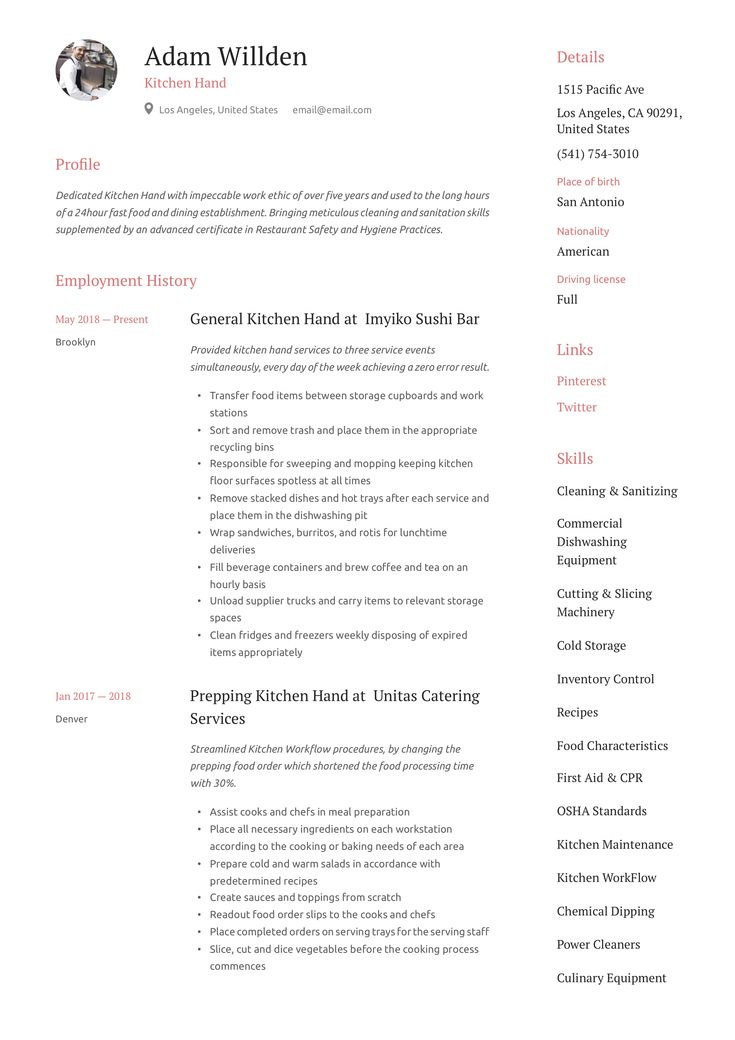


You might say "Spearheaded a team of 12 cooks at the Michelin-starred L'Auberge Cascade restaurant, serving an average of 350 guests daily, and contributing to a 35% year-on-year revenue increase."
Describing Your Culinary Philosophy
Culinary philosophies are personal beliefs or values that guide your cooking. They could be a focus on seasonal ingredients, a dedication to sustainability, or a passion for combining flavors from different cultures. Including your culinary philosophy in your kitchen job description gives hiring managers a deeper understanding of who you are as a chef.
For instance, you might say "My culinary philosophy is deeply rooted in farm-to-table principles, emphasizing seasonal, locally sourced ingredients. I believe in letting the natural flavors of ingredients shine, creating harmonious, rustic dishes that tell a story."
Preparing for Your Next Opportunity
Finally, use your kitchen job description to look ahead. Mention any upcoming certifications, courses, or culinary travels you have planned. This shows that you're proactive and committed to continuous learning. Also, include any areas where you'd like to gain more experience, such as a certain type of cuisine or a specific culinary role.
Your kitchen job description should end on a forward-looking note, expressing your excitement for the opportunity to bring your skills, passion, and unique culinary perspective to the right kitchen. Here's an example of a subtle, human-like conclusion: "With my proven track record, diverse culinary expertise, and insatiable curiosity, I'm eager to bring my creative energy and commitment to excellence to your esteemed culinary team, helping to drive innovation and success in the kitchen."
Related Articles

Kitchen Manager Resume
The kitchen manager is a pivotal role within the culinary industry, responsible for overseeing daily operations, managing staff, and ensuring the smooth...

McDonald's Kitchen Crew Member Job Description for Resume
As a dynamic and growing food service provider, McDonald's is always seeking passionate and dedicated individuals to join its team. The role of a Kitchen Crew...
Kitchen Steward Job Description: Essential Resume Details
Crafting an impactful resume isn't just about listing your kitchen steward job's responsibilities; it's about highlighting the unique skills and experiences...

Kitchen Designer Job Description for Resume
When crafting your resume for a kitchen designer job, it's crucial to highlight your creativity, technical skills, and passion for design. A well-structured...

Soup Kitchen Volunteer Resume
Volunteering at a soup kitchen is a fulfilling way to give back to your community while making a tangible difference in the lives of those in need. If you're...

Kitchen Crew Job Description for Resume
If you're a culinary professional seeking to elevate your career, or a hiring manager looking to reinforce your kitchen team, understanding the intricacies of...