Cocinar en la Cocina Españoler
¡Bienvenido a la fascinante Welt de la gastronomía española!köcean>Kitchen Spanish, as it's known, is the language of innovation, culture, and above all, flavor. It's not just about knowing how to say 'salt' or 'pepper'; it's about understanding the passion that goes into every dish, the history behind every ingredient, and the stories told around every table. Let's dive into the heart of Kitchen Spanish, where words are as vital as the ingredients they describe.
From the bustling markets of Barcelona to the cozy tapas bars of Madrid, Kitchen Spanish is a symphony of aroma, color, and sound. It's an ever-evolving blend of tradition and modernity, where ancient recipes are given new lease on life, and where innovative chefs push the boundaries of what it means to cook 'Spanish'. If you're eager to speak the language of this culinary revolution, you've come to the right place.
Mastering the Basics: Vocabulary and Phrases
Before we start rolling our 'Rs' and seasoning our sentences with the best of Spain, let's master some fundamental Kitchen Spanish vocabulary and phrases. Unlike other languages, Spanish has a delightful rhythm that lends itself beautifully to the world of food.


Start with the essentials - greetings, introductions, and basic questioning. 'Buenos días' or 'Buenas tardes' for good mornings or afternoons respectively are a great start. 'with pleasure' and 'thank you' are 'de nada' and 'gracias' respectively. For orders, you'll need to know numbers, days of the week, and common food terms.
Must-Know Spanish Kitchen Phrases
Apart from the basics, here are some Spanish phrases that'll have you ordering like a local in no time:


- ¿Qué tal? - How are you? (Casual)
- ¿Qué me recomienda? - What do you recommend?
- Estoy vegetariano/a. - I am vegetarian.
- Estoy vegano/a. - I am vegan.
- Sin gluten, por favor. - Gluten-free, please.
Essential Spanish Food Terms
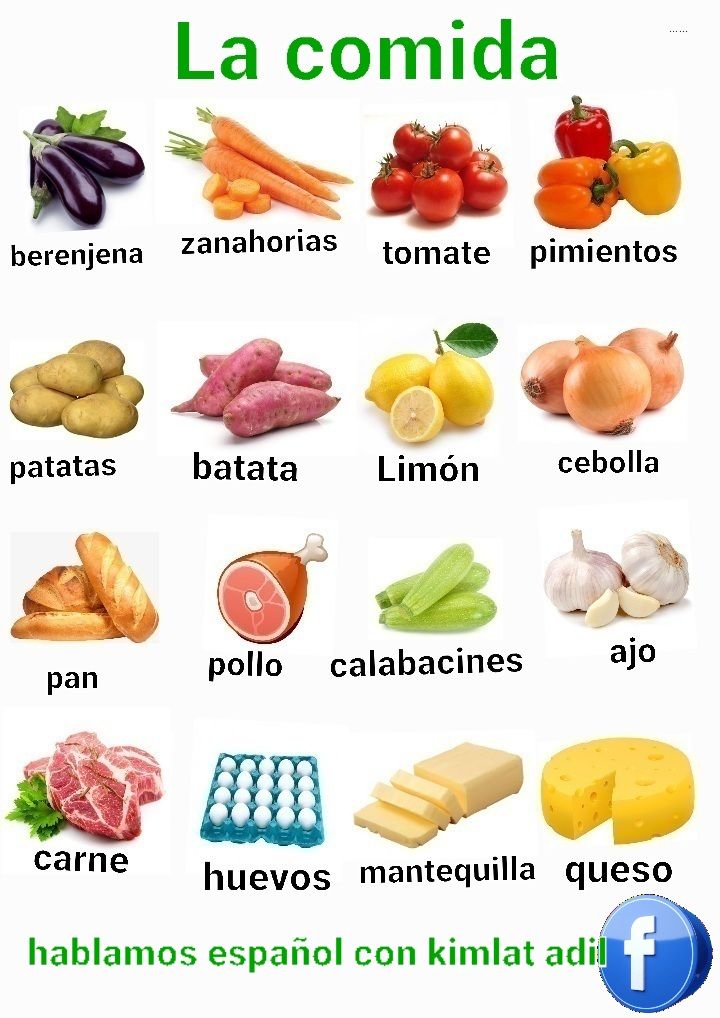
Now, let's tackle some Spanish food terms. Food is a vast subject, but here are some categories to start with:
- oleos - Oils (e.g., olive oil - aceite de oliva)
- harinas - Flours (e.g., wheat flour - harina de trigo)
- Bowen- Eggs (e.g., one egg - un huevo)
- lácteos - Dairy products (e.g., milk - leche)
Exploring Spanish Cuisine: Regions and Specialties
Spanish cuisine is as diverse as its landscapes. From the mountainous north to the sunny south, each region boasts its own culinary heritage. Let's explore some of the standout specialties:
Starting in the north, Asturias is famous for its fabada asturiana, a hearty bean stew. Moving east, Catalonia is the home of Pa amb tomàquet, a simple yet divine dish of bread rubbed with tomato and drizzled with olive oil.




Culinary Journey through Spain
In the centre, Castile is known for its занжпреса с code/span>cocido madrileño, a rich meat and chickpea stew. The Basque Country, nestled in the northwest, is famous for its pintxos, delicious small bites, and bacalao a la Vizcaina, salt cod with tomatoes and peppers. The list goes on, but these highlights should give you a taste of Spain's culinary breadth.
Deep-Diving into Spanish Recipes
Ready to roll up your sleeves and put your newfound vocabulary to the test? Here are two classic recipes to try:
- Paella Valenciana: This rice dish from Valencia is a symbol of Spanish cuisine. Ingredients include rabbit, chicken, and sometimes snails, along with saffron-infused rice and various vegetables.
- Secreto Ibérico con Quick-Slow-Tomato Salsa: This dish features 'secreto' - a secret cut of pork from the lower belly, known for its intense flavor. The slow-cooked tomato salsa, with a splash of sherry vinegar, complements the richness of the pork perfectly.
¡Buen provecho! Now that you've got a taste for Kitchen Spanish, remember, the joy is in the journey. So, keep exploring, keep practicing, and most importantly, keep tasting. ¡Adiós y buena suerte!


Related Articles

El Foso de la Cocina en Español: Perú
The kitchen sink, an essential component in any kitchen, is no stranger to the Peruvian household. Known as "el fregadero" in Spanish, it serves as the primary...

¿Limpiaste la cocina en español?
Calling over for dinner and finding the kitchen in disarray can be stressful. Asking '¡Has limpiado la cocina!' (Have you cleaned the kitchen?) in Spanish can...

El Sink de la Cocina en Colombia
In the heart of South America lies Colombia, a vibrant country renowned for its rich culture, diverse landscapes, and culinary delights. Among the various...

Lista de electrodomésticos de cocina en español
Bienvenido a esta guía completa sobre los electrodomésticos que no pueden falta en tu cocina. Si estás buscando ميدونلايزهчить tu espacio culinario o...
"Traducción de Encimera de Cocina"
Are you planning to redesign your kitchen space, or perhaps you've recently moved into a new home in a Spanish-speaking country? Understanding kitchen...

Limpia la Cocina en Español
The kitchen, often referred to as the heart of the home, can quickly become chaotic with daily use. To maintain a clean and functional space, let's explore a...