Top 10 Most Common Seasonings: The Ultimate Spice List
In the vast and dynamic world of culinary arts, seasoning is the secret sauce that transforms ordinary ingredients into extraordinary dishes. From the seemingly endless array of spices and herbs to the more basic salt and pepper, the right seasonings can make or break a meal. Let's delve into the most common seasonings used in kitchens around the globe, their unique flavors, and their culinary applications.
While personal preferences and specific dishes dictate the use of seasonings, there are several that form the backbone of many recipes. These seasonings are versatile, adding depth and complexity to dishes while also providing health benefits. Let's explore some of these key players in the world of seasonings.
Everyday Staples
The heart of any kitchen, these seasonings are staples for a reason. They are versatile, easy to use, and greatly influence the final outcome of a dish.


Sea salt and freshly ground black pepper are steadfast companions in most kitchens. Sea salt, with its varying mineral compositions, offers a broader range of flavors compared to regular table salt. Black pepper, derived from the black peppercorn, provides a warm, woody, and slightly pungent flavor that awakens the senses.
Garlic and Onions
Garlic and onions, both members of the allium family, are indispensable in the kitchen. Garlic's intense and pungent flavor mellows when cooked, adding a savory depth to dishes. Onions, with their sweet and sharp flavors, come in various types - yellow, white, and red - each offering different levels of pungency and sweetness.


Used as a base in countless recipes, their aromas trigger our desire for food. They are fundamental in dishes like soups, stews, roasts, and even pasta sauces. Plus, they're packed with vitamins and antioxidants, making them nutritional winners.
Fresh Herbs
Fresh herbs like parsley, cilantro, basil, and chives breathe life into dishes with their vibrant flavors and verdant colors. They span a wide range of tastes - from the grassy notes of parsley to the lemony tang of cilantro, sweet anise-like flavor of basil, and mild garlic essence of chives.
Utilized in everything from salads and marinades to garnishes and main dishes, fresh herbs elevate meals and complement the other ingredients. They're also incredibly salient in the Mediterranean, Mexican, and Asian cuisines, reflecting the regions' climates that support these herbs' growth.


Spices: The Flavors of the World
Spices hail from far-off lands, carrying with them the essence of their origins. They ignite our curiosity and tantalize our taste buds with their exotic flavors and intoxicating aromas.
Spices can be categorized by their flavor profiles: warm, hot, sweet, and bitter. Understanding these profiles helps us balance flavors and create harmonious dishes.
Warm and Pungent Spices
Spices like cinnamon, cumin, and paprika belong to this category. Cinnamon, derived from the inner bark of trees, offers a sweet, woody, and somewhat clove-like flavor. Cumin, on the other hand, has a robust, earthy, and slightly bitter taste that's integral to Middle Eastern and Indian cuisines. Paprika, made from dried and ground capsicums, varies in heat and color, adding vibrant hues and smoky flavors to dishes.


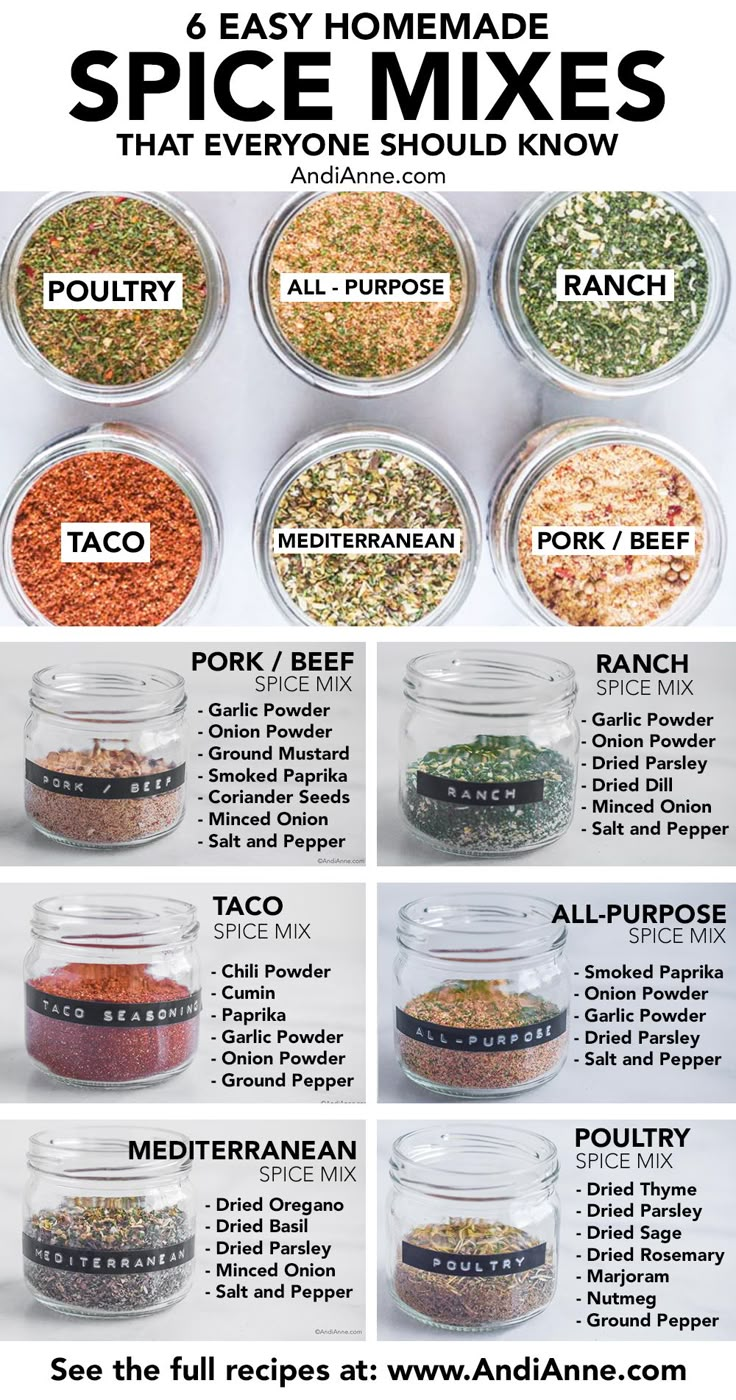


These spices are key in sweet and savory dishes, from desserts and drinks to curries and chilis. They warm the palate and embolden other flavors, creating complex and rich profiles.
Hot Spices
Hot spices like chili peppers, cayenne, and black peppercovery a broad spectrum of heat intensities. They stimulate our pain receptors, triggering a pleasant, often addictive, sensation that we associate with 'spicy' food.
Used judiciously, hot spices can add vibrancy, stimulate appetite, and boost the immunity system. However, they shouldn't overshadow the other flavors in a dish. Understanding the Scoville scale, which measures a substance's spiciness, is helpful in maintaining that balance.
As we explore the world through our palates, we realize the importance of these common seasonings. They are our languages, our histories, and our connections to one another. So, indulge in the symphony of flavors, aroma, and texture that seasonings bring to the table, and embark on your culinary adventure today!
Related Articles

Common Seasonings: The Ultimate List
In the world of culinary arts, seasonings are the unsung heroes that transform ordinary dishes into gustatory masterpieces. They are the flavor enhancers, the...

Common Office Supplies: Your Ultimate List
In the dynamic world of offices, productivity isn't just about cutting-edge technology but also about having the right tools at your disposal. Office supplies...

Christmas Movies A to Z: Ultimate List of Holiday Films
Gather 'round, holiday enthusiasts! As the festive season approaches, one of the most cherished traditions comes to mind: the annual viewing of Christmas...

Jollibee's Ultimate Food List: Must-Try Dishes
Welcome to the tantalizing world of Jollibee, the Philippines' beloved fast food chain that has been delighting taste buds since 1975. Jollibee is renowned for...

Personal Budget Categories: Ultimate List & Guide
Creating a well-structured personal budget isn't just about crunching numbers, it's about understanding what's important to you and allocating resources...

Ultimate Guide: Exploring the World of Interior Design Styles
The art of interior design is a captivating realm that breathes life into spaces, transforming them into reflections of our personalities, lifestyles, and...