Three Key Kitchen Storage Spaces to Organize
The heart of every home, the kitchen is where meals come to life, conversations happen, and memories are made. A well-organized kitchen not only enhances your culinary experience but also boosts your efficiency. To achieve this, it's crucial to understand the three main storage areas in a kitchen.
These storage spaces are designed to accommodate various kitchen tools, ingredients, and appliances, making them essential components of any kitchen layout. Let's explore each area in detail and understand how to optimize them.
Upper Cabinets
Upper cabinets, often referred to as wall cabinets, offer abundant storage space for lightweight items. They are typically installed along the walls, above the counters, and sometimes even above doorways or windows.


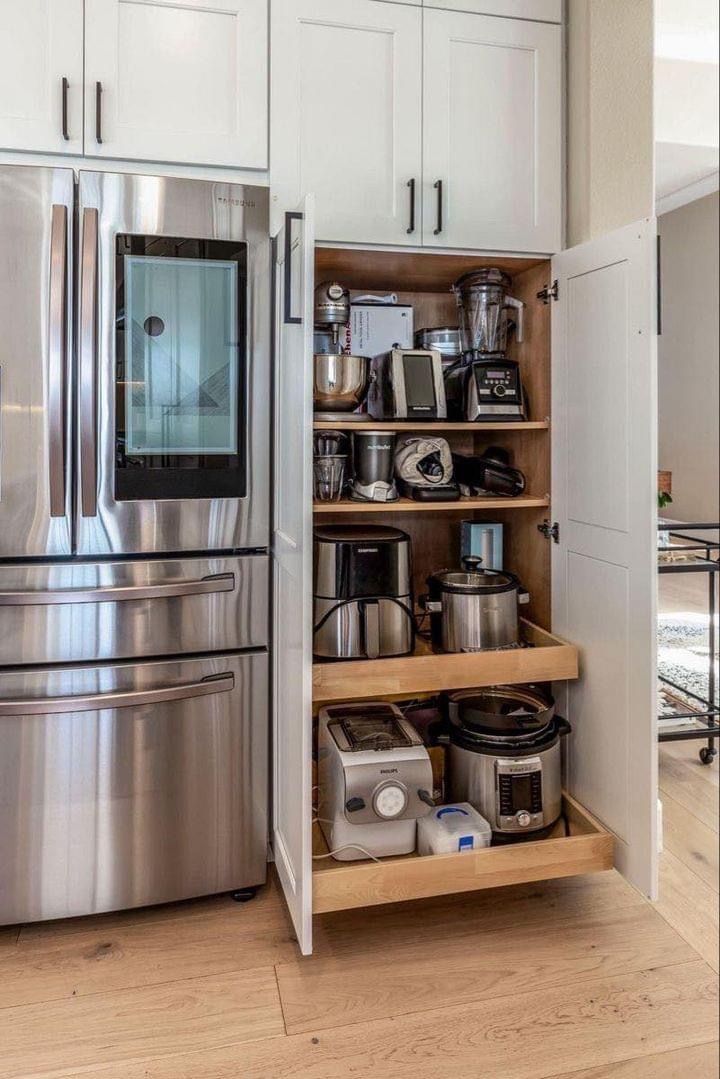
Upper cabinets are perfect for storing plates, bowls, glasses, and other tableware. They can also house small appliances like toasters, blenders, or coffee makers, keeping countertops clutter-free.
Lightweight Items
Utilize upper cabinets to store light and frequently used items to minimize bending and maximize convenience. Dividers, plate racks, and shelving systems can help organize these items and make access easier.


Keep in mind that the bottom shelves of wall cabinets can be challenging to reach. Store less used or heavy items on these lower shelves to maintain safety and accessibility.
Appliance Garage
An appliance garage is a dedicated space in an upper cabinet where small appliances can be stored and plugged in. This feature, often integrated above the counter, allows for easy access and keeps your counters clear.
To create an appliance garage, you can install a cabinet with an opening on the front and a power strip inside. This way, your appliances are always within reach, yet out of sight when not in use.


Lower Cabinets
Lower cabinets, also known as base cabinets, are installed along the floors and typically house heavy items, durable goods, and larger appliances.
These cabinets are ideal for storing pots, pans, heavy appliances like ovens and dishwashers, and bulky food items. They usually come with drawers that provide easy access and increased organization.
Heavy Appliances
Lower cabinets are perfect for housing large appliances like the oven, cooktop, and dishwasher. Be sure to measure your appliances carefully before purchasing cabinets to ensure a perfect fit.


Install soft-close drawers to prevent slamming and maintain a peaceful kitchen environment. You can also add drawer organizers to keep your pots, pans, and utensils neat and easily accessible.
Pantry Storage
Lower cabinets can also serve as pantry space, especially in small kitchens. Deep drawers or cabinets with pull-out shelves can help maximize storage and make accessing ingredients a breeze.
Use bins, can organizers, and clear containers to maintain order within your pantry cabinets. Labeling storage containers can also help you locate ingredients quickly and keep track of expiry dates.
Countertops & Island
Countertops and kitchen islands are the main work surfaces in your kitchen. They provide ample space for food preparation, serving, and casual dining. Optimizing their storage potential is essential for a functional kitchen.
Under-counter storage, open shelving, and hidden surfaces within an island can help maximize your kitchen's storage capacity.
Under-Counter Storage
Cabinets installed beneath the countertops offer convenient storage for cookware, bakeware, and small appliances. Roll-out shelves can be added to improve accessibility to stored items.
Consider using different cabinet door styles for under-counter cabinets to create visually appealing contrasts in your kitchen design.
Open Shelving & Display
Open shelving on a kitchen island or along the walls provides a charming way to display dishes, art, or decorative items while keeping them within reach. Open shelving also makes your kitchen feel more spacious.
To maintain a clutter-free and cohesive look, group items by type or color, and use trays or baskets to corral smaller items. Be cautious not to overcrowd shelves, as this can make your kitchen look messy and disorganized.
By understanding and utilizing these three main storage areas in your kitchen, you can create a functional, organized, and inviting space that caters to your unique needs. Embrace the process of continuous optimization, as kitchen layouts and storage requirements can evolve over time. Happy organizing!
Related Articles

Maximize Cute Kitchen Design in Tight Spaces: Genius Solutions
Crafting a functional and stylish kitchen in a small area can be a challenge, but with the right design strategies and clever use of space, it's absolutely...

Best Kitchen Cabinet for Dog Food Storage: Organize & Protect
When it comes to caring for our furry friends, ensuring their comfort and safety extends beyond just their bed and toys. A designated kitchen cabinet for dog...

Vasagle Kitchen Storage Shelf: Maximize Space, Organize & Style
Transform your kitchen space from cluttered to organized with the Vasagle Kitchen Storage Shelf. This versatile, multi-functional shelf system is a...

Organize Your Kitchen: Top Pan Storage Solutions
Organizing your pantry efficiently is key to maximizing your kitchen's potential. One of the most daunting tasks when attempting this is dealing with bags of...

Three Essential Kitchen Utensils and Their Uses
Every well-equipped kitchen needs a few essential utensils to make cooking and preparing meals efficient and enjoyable. Among the multitude of tools available...

Organize in Style: Best Storage Solutions for Play Kitchen Accessories
Organizing playtime essentials can be quite a challenge, especially when little ones have expansive imaginations and an array of kitchen accessories to fuel...