Pantry Food Meaning in Hindi
In the bustling world of Indian cuisine, the term 'pantry food' or 'rasoi ke средств' deserves special mention. It encompasses essential ingredients that are staple in every Indian household, acting as the backbone of diverse regional dishes.
These pantry staples aren't just conduits of flavors, they are time-tested remedies, historical artifacts, and family heirlooms, passed down through generations with recipes, memories, and love.
Understanding the Indian Pantry
The Indian pantry is a treasure trove of spices, pulses, grains, nuts, and condiments. It's a vibrant blend of Ayurvedic knowledge, ancient trade routes, and culinary ingenuity.


These ingredients aren't merely for cooking; they are integral to India's cultural fabric, reflecting its rich history, geography, climate, and customs.
Spices: The Heart of Indian Cuisine
Spices aren't just about adding heat or flavor to dishes; they are medicine cabinets in disguise. Turmeric, cumin, coriander, cardamom, cinnamon - each comes with a bounty of health benefits. They're used in whole, ground, or paste form, turning even the simplest of meals into culinary masterpieces.


Take, for instance, the humble jeera (cumin) rice or the soul-soothing turmeric milk - simple, yet soothing and comforting. The aroma of spices wafting from a home is often the first indicator of a meal's readiness, signifying warm hospitality awaiting guests.
Dal: Pulses, a Plant-based Powerhouse
Dals or pulses form the base of meals in many households. They're long-lasting, affordable, and packed with protein and fiber. From dal khichdi to dal makhani, these legumes translate into hundreds of dishes, demonstrating versatility at its best.
Mung dal, moong dal, chana dal, urad dal - each has its unique role, transforming intodhokla, idli, dosa, or chana masala with a tweak of spices and technique. Moong dal halwa, a sweet dessert, highlights pulses' sweet tooth as well!


Pantry-Gold: Preserves, Pickles, and Condiments
Pickles, chutneys, and preserves, known as shanana, achaar, or thakran, play a crucial role in balancing meals' flavors and textures. They're made from a variety of vegetables, fruits, and even meats, and are often fermentation processes that preserve nutrients.
H Phoenix is famous for its Kashmirimint chutney, Andhra Pradesh for its millet pickle, Uttar Pradesh for its aam ka achar, and so forth. Each region boasts unique flavors that mirror its terroir and culture.
Ghee, Not Just Clarified Butter
In Indian kitchens, ghee is more than just clarified butter. It's a symbol of hospitality, auspiciousness, and nourishment. It's poured over newborns, offered to gods, and reserved for the elderly. Used in cooking, it adds a layer of richness that's hard to match.




It's also used for making sweets like laddoos, rasgullas, and gulab jamuns. The aroma of ghee wafting from 'kadhis' and 'finger' is comfort food embodied.
Nuts and Seeds: Health and Wealth
Almonds, peanuts, cashews, sesame seeds - these are used in making curries, snacks, sweets, and even as toppings. They're laden with nutrients and are believed to bring good health and prosperity.
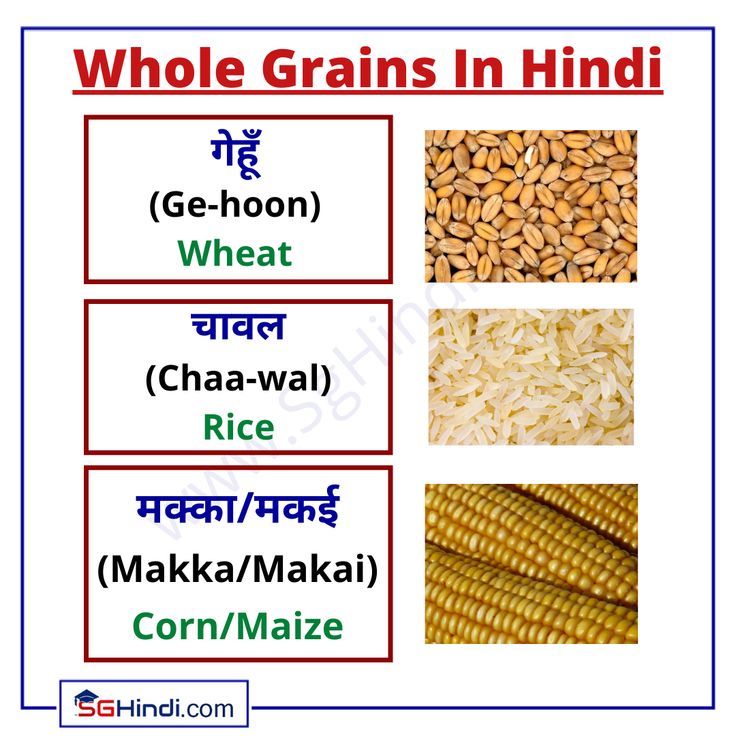
Rice, wheat, and other cereals form the base of many Indian meals. They're consumed in various forms - roti, rice, poha, upma, dosa, idli - catering to a wide range of tastes and dietary restrictions.
The Indian pantry is a living entity, dynamic and ever-evolving. It's a testament to India's resilience, adaptability, and culinary genius. It's not just about sustenance; it's about culture, history, and identity. Isn't it time we celebrate this rich tradition by exploring, preserving, and enjoying its bounties more mindfully?
Related Articles

Food Pantry Ka Matlab Urdu Mein
Food pantries, known as غذہ دکان in Urdu, are nonprofit institutions that provide food and other necessities to individuals and families in need. These...

Aanchal Fast Food: Indian-Inspired Names and Their Meanings
In the dynamic and competitive world of fast food, a unique and captivating restaurant name can make a world of difference. It's not just about being...

Pantry Ka Hindi Matlab
In the culinary world, a pantry is a critical component of any kitchen, much like how a kitchen is to an Indian home. Understanding its meaning in Hindi...

Pantry Room in Hindi: Meaning & Example
In the realm of home design and architecture, the phrase "pantry room" often leaves homeowners and real estate enthusiasts scratching their heads, especially...

Hindi Kitchen Grocery List: Essential Food Items for Your Indian Pantry
In the heart of every home lies the kitchen, a space that narrates our love for food through a dance of aromas, colours, and flavours. If you're looking to...

Pantry Area Ka Matlab Hindi Mein
In the ever-evolving landscape of modern architecture and interior design, certain terms have become crucial for understanding and communicating ideas. One...