Pantry Rules: Essential Guidelines
Home pantry management is a critical aspect of meal planning, budgeting, and sustainability. A well-organized pantry ensures you have access to all the ingredients you need for your dishes, reduces food waste, and can save you time and money. Here, we'll discuss essential pantry guidelines, from categorization and storage to rotation and maintenance.
An efficient pantry reflects your dietary needs and habits. It should stock the ingredients you use regularly and be arranged in a way that makes them easily accessible. This guide aims to help you create and maintain a pantry that simplifies your cooking and enhances your culinary experience.
Pantry Organization Basics
The key to an organized pantry is categorization and proper storage. Let's look at these fundamentals.


**Categorization:** Group similar items together. These categories could include: canned goods, pasta and rice, cereals, baking items, spices, condiments, and so on. This makes it easier to locate what you need and helps you see when you're running low on essentials.
Categorical Arrangement
**Shelving:** Use shelves wisely. Store taller items at the back and shorter ones at the front. This maximizes space and keeps your pantry neat.


**Bins and Baskets:** Use bins and baskets to keep loose items like pasta, rice, flour, and snacks together and easily visible.
Proper Food Storage
**Containers:** Transfer opened packages to airtight containers to prevent spoilage and absorption of odors.
**Temperature and Humidity:** Keep your pantry cool and dry. Store temperature-sensitive items, like baking powder and baking soda, in the refrigerator. Use a hygrometer to monitor humidity levels.


Pantry Rotation and Maintenance
Regularly rotating and maintaining your pantry helps prevent spoilage, waste, and expiration. Here's how to do it.
**First-In-First-Out (FIFO) Rule:** When restocking, place new items at the back and older ones at the front to ensure you use them up first.
Regular Audits
Conduct a pantry audit at least once every three months. Check for expired items, remove those that have lost their quality or flavor, and coalesce like items together.


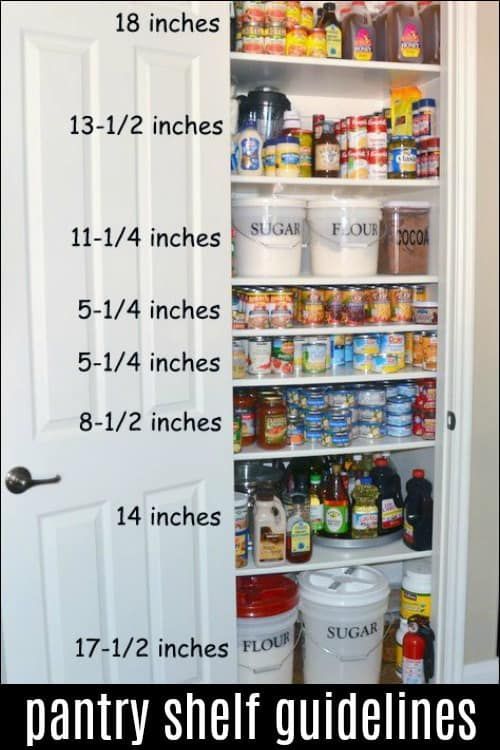


**Cleanliness:** Keep your pantry clean. Wipe down shelves, floors, and containers regularly. This helps deter pests and fosters good hygiene.
Labeling
Label containers with the contents and dates when they were stored. This helps you track items and avoids confusion.
**atica, cinnamon, and other dry spices can be kept in a cool, dry place for up to a year, while garlic and onions should be stored in a dark, cool place for up to two months. Understanding these differences can help extend the shelf life of your pantry staples.
Pantry Inventory
Keeping an inventory of your pantry makes it easier to plan meals, avoid overbuying, and ensure you always have what you need. Here's how to create and maintain one.
**Record-keeping:** Use a notebook, whiteboard, or online app to record what you have and when you need to restock.
Categorize Your Inventory
Categorize items in your inventory as you would in your pantry. This helps create a clear picture of your supplies and makes it easier to find what you need.
**Regular Updates:** Update your inventory each time you restock or use an item. This ensures it stays accurate and relevant.
Organizing and maintaining your pantry requires some time and effort initially, but the long-term benefits are significant. By following these pantry guidelines, you'll enjoy a well-stocked, easily navigable, and efficient workspace for your culinary adventures. Happy cooking!
Related Articles

Food Pantry Volunteer Guidelines: Essential Rules
Food pantries play a vital role in communities worldwide, ensuring that those in need have access to nutritious food. The work of food pantries relies heavily...
Master Your Kitchen: Essential Pantry Rules
Welcome to the essential guide on creating and maintaining an organized and efficient pantry. A well-stocked and neatly arranged pantry not only saves you time...

Commercial Kitchen Grease Trap Guidelines: Essential Rules & Best Practices
Grease traps are crucial components in commercial kitchens, playing a vital role in maintaining a clean and efficient environment, as well as preventing costly...

Office Kitchen Rules: Essential Guidelines for Employees
Creating a harmonious office environment often extends beyond workstations and meeting rooms, spilling into shared spaces like the office kitchen. Establishing...

Front Porch Rules: Essential Guidelines for Safety and Comfort
Welcome to the classic tropes of neighborhood Americana - the front porch. This humble architectural feature is a canvas for stories, a stage for interactions...

Outdoor Kitchen Rules: Essential Guidelines
Creating an outdoor kitchen is an exciting way to expand your living space and enhance your home's value. With proper planning and adherence to guidelines, you...