"Thrifty Pantry Essentials: Budget-Friendly Staples"
Storing a well-stocked pantry is a feat that every budget-conscious individual strives for. Not only does it ensure you have ingredients ready for a wide variety of meals, but it also helps you save money by minimizing grocery trips and reducing food waste. So, let's explore how you can build a budget-friendly pantry that's always ready to inspire your cooking adventures.
First things first, it's crucial to understand that a well-equipped pantry doesn't have to break the bank. It's all about smart shopping, finding versatile ingredients, and knowing how to make them work for you. With a bit of planning and a strategic approach to grocery shopping, you can create a pantry that's both budget-friendly and brimming with possibilities.
mastering the Art of Bulk Buying
Purchasing non-perishable items in bulk is a tried-and-true method for saving money. Supermarkets typically offer great discounts on items like grains, canned goods, and dried fruits, especially when bought in larger quantities. Just remember to calculate the cost per unit and check for expiration dates before stocking up.


Another strategy is to familiarize yourself with your local warehouse club or wholesale store. They often carry a wide range of grocery items at significantly lower prices, making them an excellent resource for building your budget pantry. However, be mindful of storage space and ensure you're buying items that you'll consume within a reasonable time frame to prevent waste.
Stocking Up on Grains and legumes
Whole grains and legumes are high in protein, fiber, and essential nutrients, while being gentle on your wallet. Items like rice, quinoa, lentils, dried beans, and oats are versatile and can form the base of numerous meals. Invest in a variety of grains and legumes to ensure a broad range of culinary options, from hearty stews to nourishing salads and satisfying bowls.


When storing grains and legumes, opt for airtight containers to protect them from pests and moisture. Keep them in a cool, dry place, and periodically check them for any signs of spoilage or infestation. With proper storage, many grains and legumes can last for months, making them excellent pantry staples.
Exploring the World of Canned Goods
Canned fruits, vegetables, and proteins are an invaluable addition to any budget-friendly pantry. Not only do they last for an extended period, but they also provide year-round access to a variety of produce and proteins. Be sure to choose options with no added salt or sugar for a healthier and more versatile ingredient.
Some budget-friendly canned goods to consider include canned tuna, chicken, or beans for protein; canned tomatoes, diced tomatoes, and tomato sauce for a variety of sauces and dishes; and canned corn, peas, and other vegetables for sides or to add to soups and stews. By incorporating canned goods into your meals, you'll not only save money but also reduce your carbon footprint by minimizing seasonal produce waste.


The Power of Dried Fruits, Nuts, and Seeds
A well-stocked pantry wouldn't be complete without an assortment of dried fruits, nuts, and seeds. These bite-sized treats are ideal for snacking or incorporating into recipes, adding natural sweetness, texture, and healthy fats to your dishes. Plus, they have an incredibly long shelf life when stored properly.
Some affordable dried fruits to consider include raisins, dates, figs, and apricots. For nuts and seeds, choose between almonds, cashews, peanuts, pumpkin seeds, and sunflower seeds based on your preferences and budget. When storing, opt for airtight containers and keep them in a cool, dry place away from direct sunlight to maintain freshness.
Building a Spice Rack on a Budget
Spices are the unsung heroes of the kitchen, adding depth and flavor to even the most modest of ingredients. While it may seem counterintuitive to spend money on spices, investing in a well-rounded spice rack can save you cash in the long run by reducing reliance on pre-seasoned, expensive ingredients. Additionally, many spices last for years when stored correctly, making them a worthy pantry investment.


Start by focusing on essential spices that form the base of numerous cuisines, such as salt, pepper, garlic powder, onion powder, paprika, cumin, coriander, and turmeric. Once you have your foundation, gradually expand your spice collection based on your favorite cuisines or dishes. To prolong the life of your spices and maintain their potency, store them in airtight containers away from heat and moisture.
Unleashing the potential of Condiments and Sauces
Condiments and sauces are a budget cook's secret weapon, transforming simple meals into flavor-packed masterpieces. While some high-end options may be tempting, many store-brand or generic varieties offer the same great taste at a fraction of the cost. Affordable options to consider include ketchup, mustard, mayonnaise, hot sauce, soy sauce, and hummus.
To maximize your savings, opt for larger size containers and invest in a few key ingredients that you can use as building blocks for various sauces and condiments. For example, a jar of hot peppers can become hot sauce, salsa, or even a spicy pasta sauce with the addition of a few other ingredients. By getting creative with your condiments, you'll have a virtual smorgasbord of flavors at your fingertips without breaking the bank.
Embracing a budget-friendly pantry philosophy doesn't mean sacrificing variety or flavor. By mastering the art of smart shopping, strategic planning, and culinary creativity, you can build a well-rounded collection of pantry staples that'll have you cooking up delicious, wallet-friendly meals in no time. So go ahead, stock up, and let your next round of cheap eats adventures begin!
Related Articles

Affordable Vegan Staples: Budget-Friendly Essentials
Embracing a vegan lifestyle doesn't mean breaking the bank. In fact, with a bit of strategic planning and some smart shopping, you can create a delicious and...

Transform Your Kitchen: Budget-Friendly Standalone Pantry Ideas
Transforming your kitchen into an efficient space doesn't have to break the bank. Standalone pantry ideas on a budget can help you maximize storage and add...

Budget Grocery Staples: Save Big on Essentials
Keeping your pantry well-stocked with essentials doesn't have to break the bank. In fact, planning a list of affordable grocery staples can help you maintain a...
Budget Meals with Pantry Staples: Easy & Cheap Recipes
Ever wished you could create delicious, satisfying meals without breaking the bank? Welcome to the world of budget meals with pantry staples! By learning to...

Korean Pantry Staples: The Ultimate Essentials List
The allure of Korean cuisine lies in its harmony of flavors, textures, and colors, a testament to the rich culinary heritage of the Korean culture. At the...
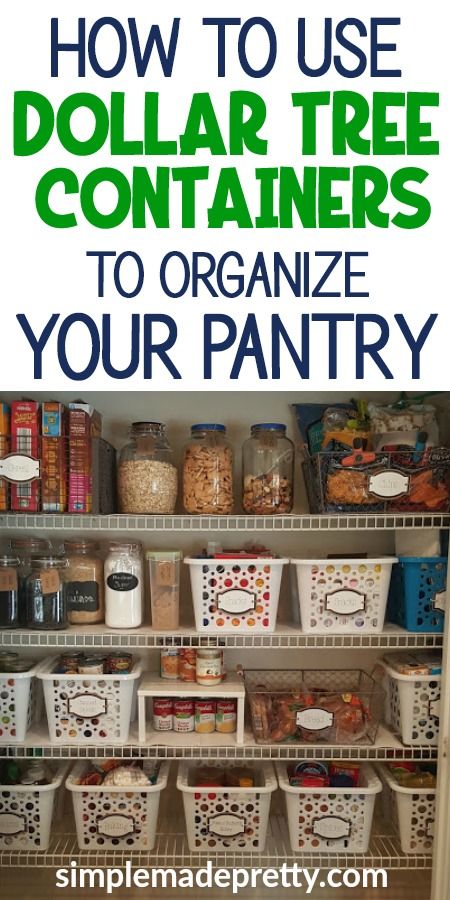
Dollar Tree Pantry Staples: Budget-Friendly Groceries
Discovering budget-friendly pantry staples has never been easier, thanks to Dollar Tree, the one-stop shop for affordability and variety. This retail giant...