Mastering Kitchen Storage: Proper Food Preservation
Proper food storage in the kitchen is not just about keeping your pantry and fridge organized, but also about safety, freshness, and waste reduction. With the right strategies, you can extend the shelf life of your ingredients, prevent spoilage, and ensure optimal taste and nutrition for your dishes. Let's dive into the art of keeping your kitchen pantry and refrigerator well-stocked and efficient.
Before we delve into specific storage methods, let's discuss a crucial step that often gets overlooked: cleanliness. Regularly cleaning your kitchen cabinets, shelves, and fridge will help maintain a sterile environment, preventing the growth of mold and bacteria that can cause food spoilage and even foodborne illnesses.
Pantry Organization and Storage
A well-organized pantry not only makes your kitchen look neat but also helps you stay on top of your ingredients, preventing waste and ensuring you use them at their peak. Here are some key aspects to consider when organizing your pantry.


First, store your ingredients according to their type – dry goods together, canned foods in another section, and so on. Make use of clear storage containers to protect items from pests, moisture, and light, and to keep everything visible and easily accessible.
Storing Dry Goods
Pasta, grains, flour, and spices are best stored in airtight containers or zip-top bags to maintain freshness and prevent invaded by pantry pests like weevils. Remember, even small insects can lay eggs in flour or grain products, so it's essential to inspect your packages regularly and use up older products first.


For longevity, store these items in a cool, dry place away from heat sources and direct sunlight. Your pantry should ideally have a temperature between 50-70°F (10-21°C) and a humidity level around 15%, keeping your dry goods fresh for longer.
Canned and Jarred Goods
Canned goods and home-preserved items should be stored in a dry, cool, dark place, away from any heat sources. Keep them off the garage floor, as the temperature fluctuations and exposure to moisture can compromise their seals and quality.
When storing jars of homemade jams, pickles, or fermented foods, ensure the lids are sealed tightly, and label them with the contents and the date of canning or preserving. This not only helps in rotation but also ensures you can track any batches that may have gone off.


Refrigerator Organization and Storage
Your refrigerator is another crucial workspace that deserves careful organization. Maintaining a clean,-cool environment helps extend the life of your perishable foods and promotes their freshness and quality.
Before we get into the nitty-gritty of storing specific items, let's discuss an often overlooked aspect: refrigerator temperature. A fresh food compartment should ideally be set between 35-38°F (1.7-3.3°C), while the freezer should maintain temperatures at 0°F (-18°C) or lower. Regularly checking your fridge's temperature helps ensure optimal storage conditions.
Storing Fruits and Vegetables
Fruits and vegetables have different storage requirements, so it's crucial to understand how to best preserve them. Most fruits release ethylene gas, a ripening agent that can cause surrounding produce to spoil faster. Keep these in the drawer designated for fruits, with the exception of apples and bananas, which should be stored separately due to their high ethylene production.


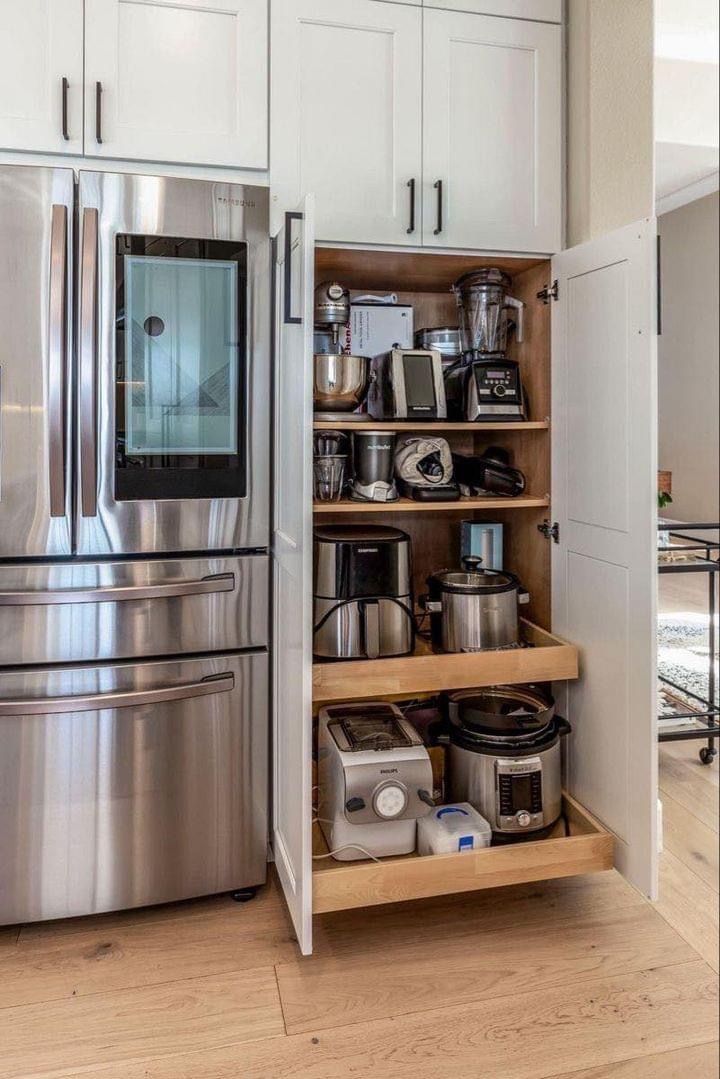


Vegetables, on the other hand, prefer to be stored in the coolest part of your fridge, typically at the bottom. Keep them in the dedicated crisper drawers, which allow you to regulate humidity levels. Regularly check your produce for signs of spoilage, and use up older items first to minimize waste.
Meat, Dairy, and Eggs
Raw meat should be stored on the bottom shelf of your fridge, away from other foods to prevent cross-contamination. If possible, use a designated meat drawer with a drain to capture any drips or juices. When meat reaches its expiration date, use or freeze it immediately to ensure food safety.
Dairy products like milk, yogurt, and cheese should be stored on the middle or top shelves, as they tend to be lava-sensitive. Eggs, too, should be kept on a middle shelf or in the designated egg compartment, away from any sources of direct heat or light. Rotate eggs regularly and use fresh ones first to ensure you're consuming the most nutrient-rich ones.
In the end, mastering the art of proper food storage isn't just about maintaining a tidy kitchen; it's about reducing waste, saving money, and ensuring the quality and freshness of the food you serve. By understanding and implementing these storage tips, you'll not only create a more efficient kitchen workspace but also contribute to a more sustainable and nourishing lifestyle. So explore your pantry and fridge, and enjoy the rewards of a well-stocked, organized, and fresh kitchen!"
Related Articles
Mastering Kitchen Storage: Keeping Food Fresh Longer
Proper food storage is a critical aspect of maintaining a healthy and safe kitchen. Efficient food storage not only extends the shelf life of your ingredients...

Maximize Freshness: Mastering Proper Fridge Storage for Food
Proper food storage is a crucial aspect of food safety and preservation. The refrigerator, or the fridge, is a kitchen essential that helps maintain the...

Maximize Kitchen Life: Mastering the Art of Tool Storage
Your kitchen is the heart of your home, a bustling hub where meals are prepared and shared with loved ones. To ensure smooth functioning and longevity of your...

"Mastering Kitchen Tool Storage: The Ultimate Guide"
Lauded as the heart of every home, your kitchen is where culinary magic happens. But a successful meal is not just about the ingredients, it's also about the...

Mastering Food Longevity: Essential Packaging & Storage Techniques
Preserving food has evolved over centuries, with packaging and storage techniques playing a vital role in maintaining freshness, quality, and safety. The...
Mastering Food Safety: Top-to-Bottom Storage Guide
Proper food storage is a crucial aspect of maintaining a healthy kitchen and ensuring the longevity of your ingredients. The bottom line? Correct storage...