Pros and Cons of Corner Kitchen Sinks: A Comprehensive Guide
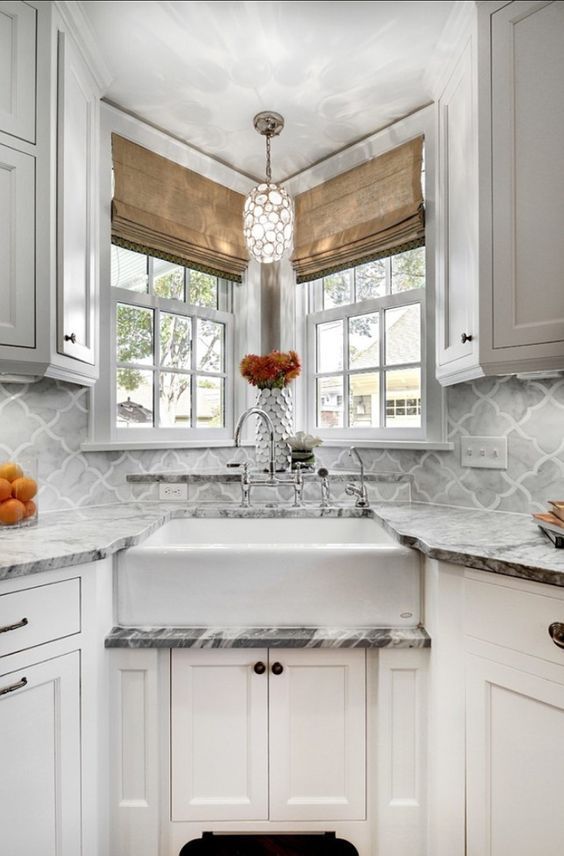
A corner kitchen sink, nestled where two walls meet, is a popular choice in modern kitchen design for its space-saving advantages and aesthetic appeal. However, like any significant decision in your kitchen layout, it comes with its own set of pros and cons. Let's dive into the details to help you make an informed choice.
Corner sinks make the most of your kitchen's geometry, offering a efficient use of space that can be particularly beneficial in smaller kitchens. They also create a distinctive look, often serving as a focal point in the room. But before you commit, it's crucial to weigh the advantages and challenges they present.
Space Efficiency and Design
Corner sinks are renowned for their space-saving prowess. By fitting into the often underutilized corner of your kitchen, they allow for more counter space elsewhere. This can be a game-changer in compact kitchens or those with odd layouts.


Moreover, the dual-bowl design common in corner sinks caters to multitasking. You can chop veggies in one bowl and rinse them in the other, making meal prep more efficient. They also come in a variety of shapes and styles, from traditional to contemporary, ensuring they can fit your design scheme.
Ease of Access and Ergonomics
Properly positioned, a corner sink can offer excellent accessibility. Reaching dishes from either side can minimize stooping and stretching, reducing strain on your back and arms. This is especially beneficial for those with mobility issues or injuries.


However, the ergonomics can be tricky to get right. If not properly planned, the corner position can make the sink feel out of reach or too compact. It's vital to consider the size and depth of the sink, as well as the height of your countertops, to ensure comfort and usability.
Installation Challenges
Installing a corner sink can be more complex and costly than a standard under-mount or drop-in sink. The plumbing needs to be routed around the corner, which may require additional parts or professional help. The cabinetry also needs to be configured to accommodate the corner position.
The increased complexity of installation can lead to higher labor costs. It's also important to note that moving a corner sink once installed is significantly more difficult than relocating a standard sink, so careful planning is a must.


Cleaning and Maintenance
Corner sinks are generally easy to clean, thanks to the clear access they provide. The dual-bowl design also allows for separate cleaning of different items, further streamlining your washing-up process.
However, the hard-to-reach corners can harbor dirt and grime if not regularly cleaned. Stains and smells can build up over time, requiring a more thorough cleaning regimen. Additionally, the depth of some corner sinks might make scrubbing a bit challenging.
Draining and Water Usage
Corner sinks typically use less water than their larger counterparts, as they often have smaller bowls. This makes them an eco-friendly choice, reducing water wastage. They also tend to have a double drain, allowing for faster draining and less likelihood of clogs.




However, the smaller size and dual drainage can also present challenges. Some users report that the smaller bowls are not deep enough for certain tasks, and the double drain can sometimes cause issues with water flow, requiring regular maintenance.
In the end, a corner sink can be a valuable addition to your kitchen, offering both functional and aesthetic benefits. However, it's crucial to consider your specific needs, budget, and layout before making a decision. With careful planning, a corner sink can become a practical and stylish feature in your kitchen.
Related Articles

Pros and Cons of Kitchen Island Sinks: A Comprehensive Guide
The kitchen island sink, a blend of functionality and aesthetics, has become a popular choice among homeowners. It serves as the focal point of many modern...

Pros and Cons of Stainless Steel Sinks: A Comprehensive Guide
Stainless steel sinks have become a staple in modern kitchens, known for their durability, sleek appearance, and ease of maintenance. However, they are not the...

Types of Kitchen Sink Materials: A Comprehensive Guide
Kitchen sinks, the hardworking centerpieces of our kitchens, come in a wide variety of materials, each with its unique characteristics and maintenance...

Granite Composite Sink Pros and Cons
Granite composite kitchen sinks have emerged as popular choices among homeowners due to their unique blend of durability, aesthetics, and ease of maintenance...

Black Stainless Steel Kitchen Sinks: Pros & Cons
Are you planning a modern kitchen redesign and wondering about the best sink material? Look no further than black stainless steel, a game-changer in kitchen...

Weighing Your Kitchen: Pros & Cons of Sink Types
Choosing the right sink for your kitchen or bathroom is a decision that can significantly impact both the aesthetic appeal and functionality of your space...