Complete Restaurant Employee Training Checklist
Transforming new hires into efficient, knowledgeable restaurant employees involves more than just onboarding. It's about providing the right training, at the right time, and in the right way. This restaurant employee training checklist ensures your new team members not only understand but can perform their roles exceptionally well.
The success of any restaurant depends heavily on its staff. Here's how you can build a robust training program that covers all bases, from kitchen operations to customer service.
Initial Onboarding
Every successful training program begins with a solid foundation. The initial onboarding process should cover essential information about your restaurant's history, mission, values, and culture.


A comprehensive induction ensures new employees feel connected to the restaurant's vision and understand their role in its success.
Company Overview
Start with an in-depth discussion about your restaurant's background, mission statement, and what makes it unique. This gives new employees a clear understanding of what they're a part of and why their role matters.


Include a tour of the restaurant to physically connect them to their new work environment. Visual cues stick better than verbal explanations, hence the importance of a physical tour.
Team Introduction
Introduce new employees to their team members. A warm welcome goes a long way in encouraging open communication and collaboration. Interestingly, team-building activities at this stage can foster camaraderie and help employees feel valued.
Encourage existing employees to share their insights and experiences. This not only helps new hires understand what's expected of them but also fosters a sense of community within the team.


Role-Specific Training
After the general onboarding, dive into the specifics of each role. This ensures new employees have a clear understanding of their duties, responsibilities, and expectations.
Role-specific training should involve both theoretical and practical sessions to ensure understanding and proficiency.
Kitchen Operations
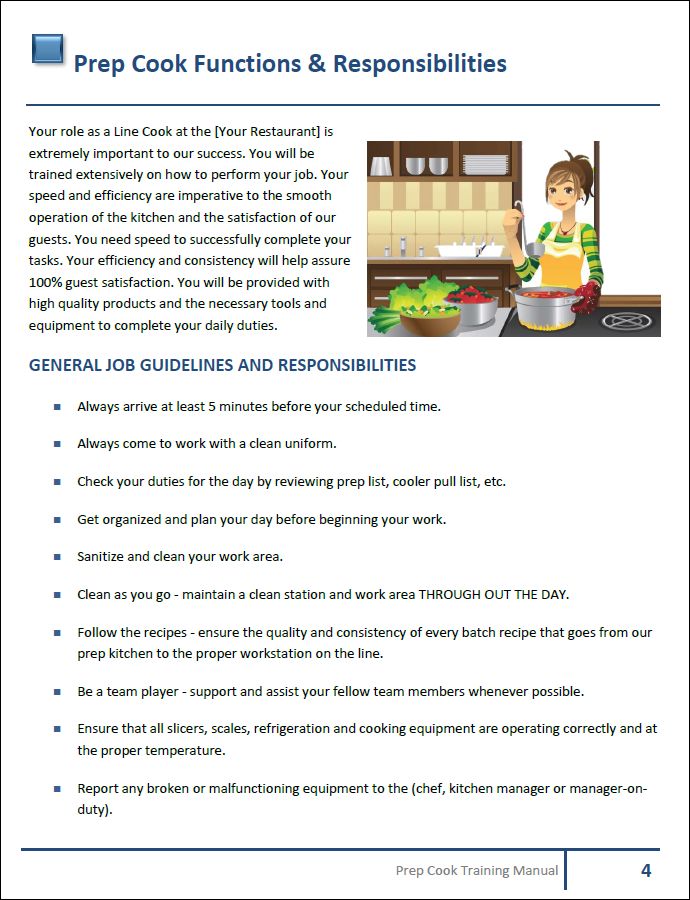
For kitchen staff, practical training is a must. This involves demonstrating, then having the employee perform tasks such as food preparation, cooking techniques, and kitchen equipment use.


Teach them about food safety standards, such as safe cooking temperatures, hand hygiene, and cross-contamination prevention. Emphasize the importance of consistent food quality and speed of service.
Front of House
For front of house staff, customer service skills are paramount. Role-play different customer scenarios to prepare them for handling difficult customers or unexpected situations.
Include a guide on your POS system, basic food knowledge, upselling techniques, and the importance of teamwork in ensuring customer satisfaction.
Ongoing Training
A restaurant's menu, policies, and best practices are continually evolving. Therefore, ongoing training is essential to keep your staff informed and knowledgeable about current standards.
Regular refresher courses on food safety procedures, customer service skills, and new recipes ensure your employees remain competent and confident in their roles.
Shadowing/ Mentoring
Pair new employees with experienced staff for a period. This allows new hires to learn firsthand, observe best practices, and ask questions in a supportive environment.
Mentors can provide personalized support, answer questions, and offer guidance, which can be invaluable for new employees.
Accessible Training Materials
Provide training materials that are easily accessible, whether online, via a company intranet, or hard copy. This allows employees to reference the materials as needed.
Encourage a culture of continuous learning by rewarding employees who show initiative in seeking out additional training opportunities or learning resources.
By following this comprehensive checklist, you can create a restaurant employee training program that sets your new hires up for success. Every training experience should ultimately prepare them to deliver exceptional service and contribute positively to your restaurant's growth and prosperity.
Related Articles

Restaurant Equipment List Template: Complete Kitchen Gear Checklist
When setting up a restaurant, creating a comprehensive restaurant equipment list is not just recommended, it's crucial. It ensures you don't miss out on...
Restaurant Employee Checklist: Essential Hiring & Onboarding Guide
Running a successful restaurant isn't just about the food, the ambiance, or the customer service—it's also about having the right team and making sure everyone...

Restaurant Staff Rules
Managing a restaurant is no small task. Getting the balance right between serving delicious food, maintaining high standards of customer service, and running a...

Complete Indian Groceries Checklist
Stocking your pantry with the right Indian groceries is key to creating a rich and diverse culinary journey at home. From comforting daals to flavorful...

Employee Training Essentials: Basic Topics for Your Workforce
Welcome new team members! Starting your professional journey often comes with a wealth of information and processes to absorb. Here, we've condensed some basic...

Training & Development Job Description: Drive Employee Growth
A dynamic and strategic Training and Development job description is more than just a list of responsibilities; it's a roadmap towards an organization's growth...