Ultimate Guide: Restaurant Kitchen Training Manual
A comprehensive restaurant kitchen training manual is an essential investment for any dining establishment. It serves as a roadmap for new staff, ensures consistency in food quality and presentation, and promotes a safe and efficient work environment. This article will delve into the importance, key components, and best practices of creating an effective restaurant kitchen training manual.
In today's competitive F&B industry, where diners expect high-quality meals and prompt service, a well-trained kitchen staff is non-negotiable. A detailed training manual is more than just a guidebook; it's a commitment to professionalism, food safety, and customer satisfaction.
The Importance of a Restaurant Kitchen Training Manual
A well-structured training manual instills a sense of pride and professionalism in new kitchen staff. It communicates that you're invested in their growth and committed to providing them with the right tools to succeed. Moreover, it promotes consistency in food preparation,presentation, and service, enhancing your restaurant's reputation and brand.
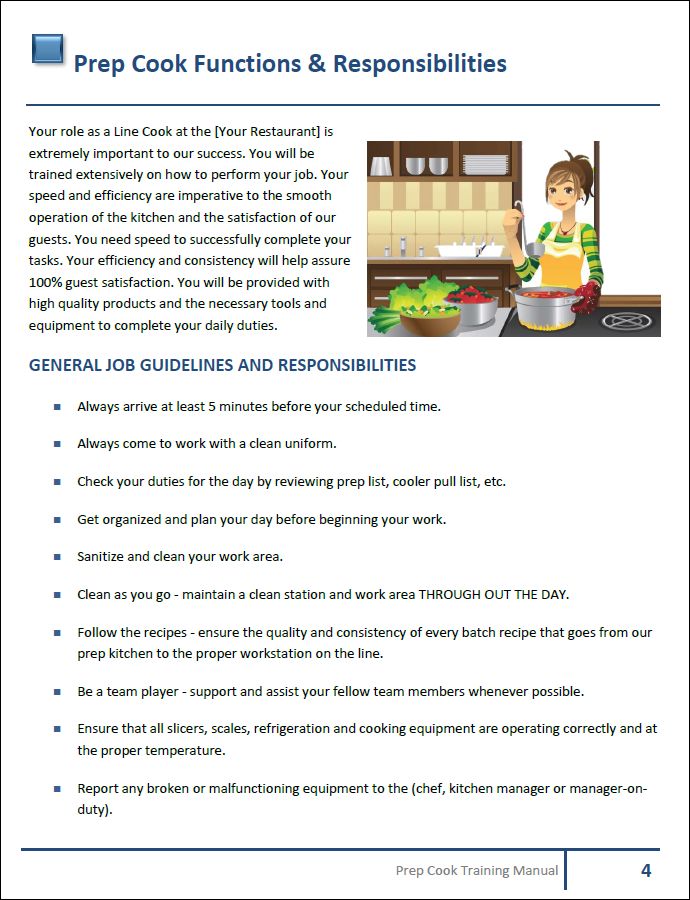


Additionally, a comprehensive manual helps to minimize training time and costs. By outlining clear procedures and expectations, you can save on supervisor time, reduce mistakes, and speed up the onboarding process.
Ensuring Food Safety and Compliance
One of the critical components of a restaurant kitchen training manual is ensuring food safety and compliance with relevant regulations. This includes detailed sections on proper food handling, storage, and cooking temperatures. It should also cover personal hygiene and workplace cleanliness standards.


By clearly outlining these aspects, you're not only protecting your customers but also safeguarding your restaurant's license and reputation. Regular updates to reflect changes in regulations ensure your manual remains relevant and compliant.
Streamlining Kitchen Operations
An effective training manual should also focus on enhancing kitchen operations. This includes detailed descriptions of kitchen layout, equipment usage, and recipe preparation. diagrams and visual aids can be particularly useful here for demonstrating complex tasks or workplace organization.
Efficient workflows, such as the Montague Method or the soldiers' first in, first out (FIFO) inventory method, can also be incorporated. These not only improve food freshness but also optimize ingredient usage, reducing waste and costs.


Creating and Maintaining an Effective Restaurant Kitchen Training Manual
Developing a comprehensive and engaging training manual requires input from various departments and team members. Collaborating with experienced chefs, front-of-house staff, and even suppliers can ensure your manual covers all bases.
Once created, regular updates are crucial to keep the manual relevant and reflective of your restaurant's evolving needs. This could involve adding new recipes, adjusting portion sizes, or amending procedures due to changes in staff or equipment.
Incorporating Interactive and Visual Elements
To make your training manual engaging and easy to understand, integrate interactive and visual elements. This could include quizzes or checklists to reinforce learning, videos demonstrating tasks, or infographics simplifying complex information.


Moreover, high-quality images and diagrams can illustrate correct presentation techniques, workplace layout, or equipment usage. By making your manual visually appealing, you're more likely to keep your staff engaged and eager to learn.
Encouraging Feedback and Continuous Learning
A great training manual should inspire ongoing learning and improvement. Including a section for staff feedback and suggestions can foster a culture of continuous growth and engagement. This could be done through regular team meetings or anonymous online submissions.
Regularly acknowledging and implementing staff suggestions not only improves your manual but also boosts morale and fosters a sense of ownership among your team.
Ultimately, a well-crafted restaurant kitchen training manual is a powerful tool that outsizes its cost and effort. It's an investment in your restaurant's future, promoting consistency, quality, and customer satisfaction. As your business grows and evolves, so too should your training manual, ensuring it remains a vital guidepost for your kitchen staff.
Related Articles
Ultimate Restaurant Kitchen Training Manual PDF
Crafting a comprehensive, practical, and engaging restaurant kitchen training manual is a critical task that ensures consistency, efficiency, and safety in...

Mastering Your Kitchen: The Ultimate Training Guide
Are you yearning to become a proficient cook or baker? Or perhaps you're a professional aiming to hone your culinary skills? Either way, having a comprehensive...

Maximize Space: Your Ultimate Kitchen Sheet Pan Cabinet Guide
Transform your cooking space into a chef's dream with a well-organized kitchen sheet pan cabinet. A proper storage solution for these versatile kitchen...

Kitchen Sink Zone Discraft Ultimate Guide
The kitchen sink zone, also known as the landing zone, is a crucial area in ultimate frisbee, the dynamic field sport that combines the nonstop movement and...

Maximize Space: The Ultimate Guide to Smart Design Kitchen Storage
In the modern, efficiency-driven world, spatial organization is key, especially in our kitchens. That's where smart design kitchen storage systems come into...

Average Kitchen Island Countertop Size: Ultimate Guide
When planning a kitchen remodel or new construction, one crucial decision often left to the end is the size of your kitchen island countertop. This oversight...