Sample Restaurant Employee Handbook PDF
Welcome to our comprehensive guide on creating an effective and engaging restaurant employee handbook. As a vital tool for onboarding and Managing your team, a well-crafted handbook ensures consistency, sets expectations, and facilitates a productive work environment. Here, we'll explore key aspects to include, best practices, and share a downloadable sample restaurant employee handbook PDF.
The restaurant industry thrives on teamwork and clear communication. An employee handbook acts as a vital bridge, connecting management's expectations with employee understanding and buy-in. Let's dive into creating a robust, user-friendly document tailored to your restaurant's unique culture and operations.
Crafting a Comprehensive Employee Handbook
A comprehensive handbook covers essential topics, answers burning questions, and addresses operational aspects. To maximize its effectiveness, ensure your handbook includes the following sections:


First, let's delve into creating an engaging and informative document.
Establishing Your Restaurant's Culture and Values
Start with a strong introduction, outlining your restaurant's mission, vision, and values. Share your unique story, philosophy, and commitment to quality. By setting the tone upfront, you foster a sense of belonging and unite employees around a shared purpose.


Example: "At [Your Restaurant], we believe in creating memorable dining experiences through exceptional service and culinary excellence. Our commitment to quality extends beyond our menu – it's woven into the fabric of our culture, shaping how we treat our guests, our team, and our community."
Setting Clear Expectations and Policies
Numerous policies govern the work environment, from employee conduct and attendance to uniforms and health & safety. To maintain a harmonious and productive atmosphere, clearly outline expectations, procedures, and consequences for non-compliance.
Example: Under 'Attendance Policy', state the importance of punctuality, explain your scheduling system, and detail consequences for violations, such as progressive disciplinary action.


Critical Information for New Hires
New employees appreciate a handbook that simplifies their transition and helps them integrate into the team. Include practical information tailored to their initial days and weeks on the job:
Onboarding and Training
Begin with an overview of the onboarding process, highlighting key milestones, such as completing paperwork, receiving necessary equipment (e.g., uniforms), and attending training sessions. Include detailed information about role-specific training and ongoing professional development.
Example: "Within your first week, you'll participate in a comprehensive orientation program featuring both classroom-style training and hands-on instruction. This includes modules on service techniques, food safety, and teamwork."


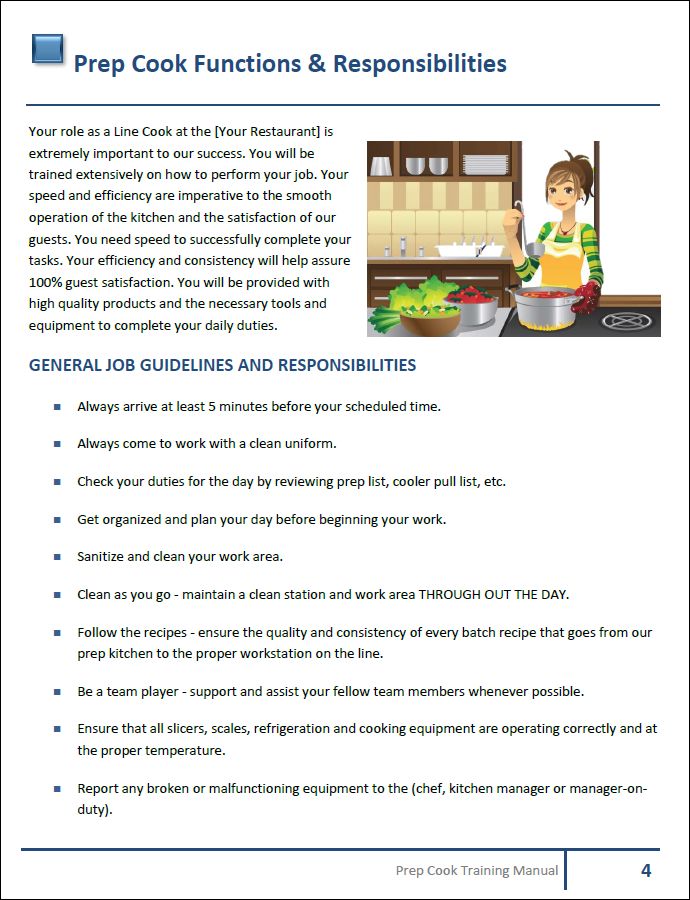

Benefits and Compensation
Outline employee benefits, such as health insurance, retirement plans, and paid time off. Detail compensation structures, including wages, tipping policies, and overtime rules. Encourage questions and provide contacts for further inquiry.
Example: "Eligible employees can enroll in our medical, dental, and vision insurance plans. We also offer 401(k) matching and paid time off for vacations, sick leave, and holidays."
Safety, Health, and Wellness
A safe and healthy work environment promotes employee well-being and minimizes accidents. Cover food safety, workplace hygiene, manual handling, and emergency procedures. Encourage open communication about health and wellness concerns:
Food Safety and Workplace Hygiene
Explain food safety protocols,了 include temperature controls, cross-contamination prevention, and proper cleaning procedures. Emphasize the importance of regular hand washing, personal hygiene, and reporting any food-borne illnesses or allergies.
Example: "Follow manufacturer's instructions for cleaning and disinfecting all surfaces. Regularly wash hands using hot, soapy water and dry thoroughly with a clean towel or air dryer."
First Aid, Injury Reporting, and Emergency Procedures
Detail your restaurant's first aid procedures, Injury reporting processes, and contact information for local emergency services. Train employees on proper response techniques for various accidents and emergencies, such as burns, cuts, and choking.
Example: "In case of an emergency, call 911 immediately. Notify your manager or supervisor of any on-the-job injuries or illnesses, regardless of severity."
Finally, conclude your employee handbook with a reminder of your restaurant's commitment to providing a positive work environment and continuous support for employee growth. Emphasize open communication and invite feedback:
"At [Your Restaurant], we're committed to fostering a supportive, engaging work environment. Your feedback is invaluable in achieving this goal. Please reach out to your manager, department head, or human resources with any questions, concerns, or suggestions. We look forward to continuing to serve you and our valued guests together!"
Related Articles

Twin Peaks Employee Handbook PDF: Rules for Serving Up Success
The enigmatic and captivating atmosphere of the Twin Peaks Restaurant is not just an ambiance, but a culture that our employees breathe. To ensure that each...
Perkins Restaurant Employee Handbook PDF: Your Essential Guide
Working at Perkins Restaurant involves more than just serving up delicious home-style meals; it's about creating memorable experiences for our guests. To...
Jack's Family Restaurant: Employee Handbook PDF
Welcome to Jack's Family Restaurant, where we pride ourselves on serving not just delicious meals, but also an inviting atmosphere for our guests. If you're...
BJ's Restaurant Employee Handbook PDF: Your Essential Guide
Looking for a comprehensive guide on policies, procedures, and expectations at BJ's Restaurant? You're in the right place. The BJ's Restaurant Employee...
Restaurant Employee Handbook PDF
A comprehensive restaurant employee handbook PDF is a crucial tool for streamlining operations, ensuring consistency in service, and maintaining a harmonious...
Ultimate 99 Restaurant Employee Handbook PDF
The 99 Restaurant Employee Handbook PDF is a comprehensive guide designed to orient new employees with the company's policies, procedures, and culture. This...