Kitchen Storage Area: Definition & Best Practices
The kitchen, the heart of the home, is where we prepare meals, store ingredients, and cultivate recipes. Central to this process is the kitchen storage area, a vital component that enhances efficiency and organization. But what exactly is the storage area in a kitchen? Let's delve into the definition and importance of this integral space.
Broadly defined, the kitchen storage area includes all the cabinets, drawers, shelves, and other spaces designed to house kitchen essentials. It's where you store everything from pots and pans to favorite spices, ensuring easy access and optimal functionality of your kitchen.
Understanding Kitchen Storage Layout
Before delving into its components, it's crucial to understand the layout of a kitchen storage area. It typically follows a work triangle or work zone concept, with storage spaces strategically placed around the sink, cooktop, and refrigerator to create an efficient workflow.

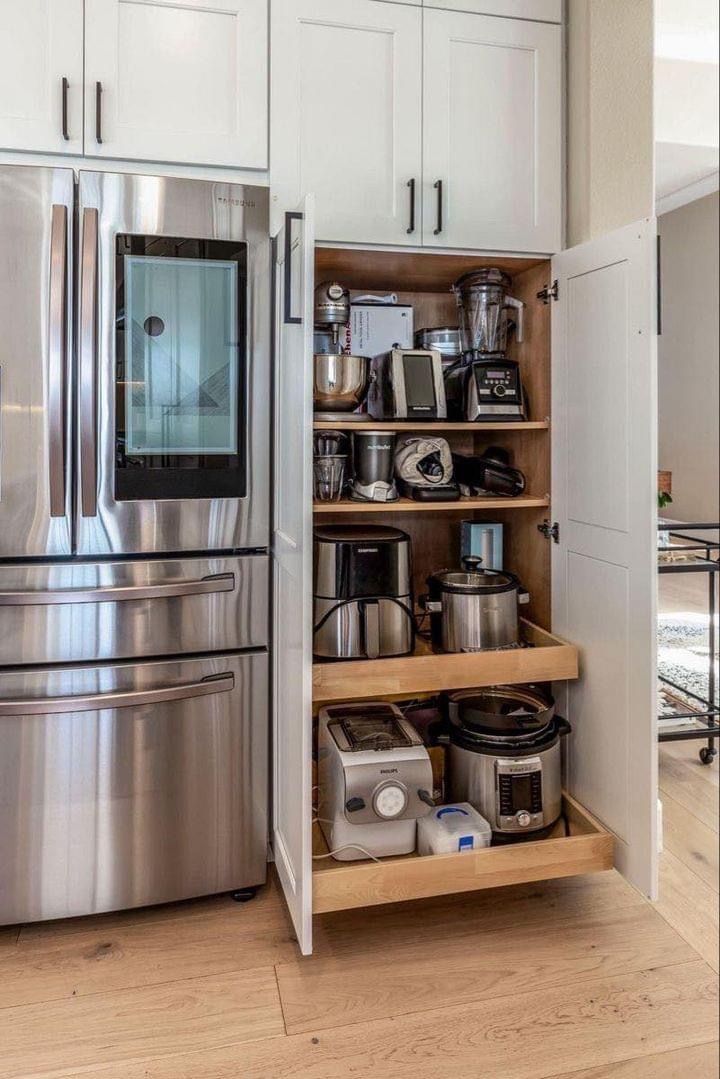

This zone-driven layout ensures that everything you need is within reach, maximizing your time and effort in the kitchen. By understanding this layout, you can optimize your storage areas to suit your specific cooking needs and habits.
The Key Role of Cabinets
Cabinets are the backbone of kitchen storage, providing ample space for storing kitchens' wide array of items. They come in various sizes, styles, and configurations, offering endless possibilities for organization. Upper cabinets typically hold lighter and less frequently used items, while base cabinets accommodate heavier items and usually feature drawers for easy access.


Even within cabinets, there's a wealth of organization tools. Roll-out drawers, lazy Susans, and adjustable shelves help maximize space and keep everything within reach. By utilizing these features, you can turn even the deepest cabinet into a functional and accessible storage space.
The Utility of Drawers and Shelves
Drawers and shelves are not just added extras; they play a significant role in kitchen storage. Deep drawers can accommodate long-handled pots and pans, while shallow drawers are perfect for cutlery and small appliances. Meanwhile, open shelves can add visual appeal and easy access to frequently used or decorative items.
Don't overlook the potential of drawer and shelf dividers, too. These help keep small items organized, minimizing clutter and wasted space. By dividing your drawers and shelves, you can create order, making it easier to find and store items.


Optimizing Kitchen Storage According to Task Zones
To further enhance the functionality of your storage areas, consider organizing them according to task zones. This involves grouping items based on their use, such as food preparation (utensils, cutting boards, appliances), cooking (pots, pans, cooking utensils), and storage (canned goods, grains).
By organizing your storage areas this way, you can streamline tasks and improve the overall efficiency of your kitchen. For instance, grouping all your baking supplies in one area would simplify your cookie-making process.
Maximizing Vertical Space
Kitchen storage often focuses on horizontal surfaces, but don't overlook the power of vertical space. High ceilings and blank walls offer ample opportunities for additional storage. Installing tall cabinets, open shelves, or wall-mounted pot racks can significantly increase your storage capacity.


Even in compact kitchens, maximizing vertical space can create sorprising results. Stacking small appliances or using tiered organizers can double your storage space, making the most of your vertical real estate.
In a well-designed kitchen, the storage area isn't just a place to stash away clutter. It's an integral part of the space that enhances functionality and efficiency. By understanding its definition, layout, and optimizing the various components, you can create a kitchen storage area that truly serves you.
Related Articles

Ceramic Storage Jars: Best Kitchen Solutions
In the heart of every organized kitchen, you'll find ceramic storage jars playing a pivotal role. These humble yet durable containers are more than just...

Best BBQ Kitchen Design Ideas for Your Dream Cooking Space
Transforming your kitchen into an outdoor cooking oasis? Look no further! We've compiled a sizzling list of BBQ kitchen area ideas that will make your backyard...

Best Kitchen Cabinet for Dog Food Storage: Organize & Protect
When it comes to caring for our furry friends, ensuring their comfort and safety extends beyond just their bed and toys. A designated kitchen cabinet for dog...
Best Kitchen Storage Ideas: Maximize Space & Organization
Transforming your kitchen into a space of efficiency and organization requires clever storage solutions. By thinking outside the box and making the most of...

Kmart Pantry Storage Near Me: Best Organizers in Your Area
When it comes to organizing your pantry, having the right storage solutions is key. For millions of shoppers, Kmart has long been a go-to destination for...

Mastering Wren Kitchen Island Installation: Step-by-Step Guide and Best Practices
Transforming your kitchen into a functional and stylish space often involves optimizing your layout, and a wren kitchen island installation can be a...