Essential Toolbox Items Everyone Needs
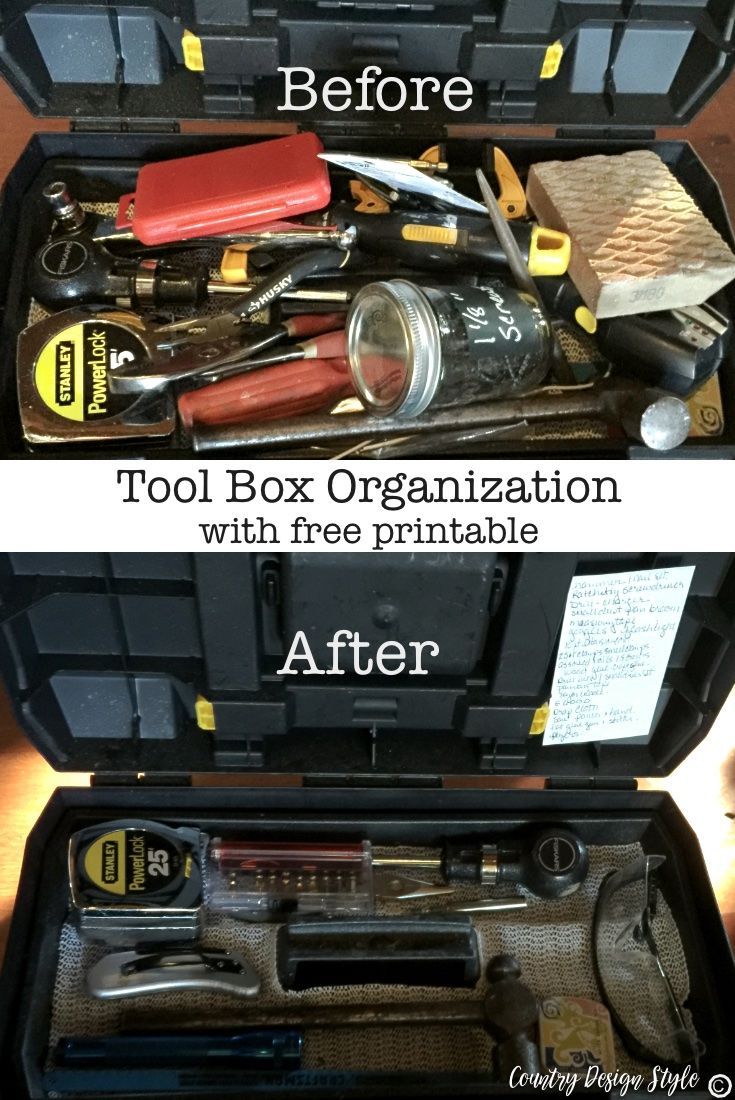
Every dedicated DIY enthusiast or professional tradesperson knows the value of a well-equipped toolbox. A comprehensive toolkit ensures you're ready for any home improvement, repair, or construction challenge that comes your way. But with so many tools available, it can be overwhelming to determine what's essential. Here, we've compiled a list of must-have tools for your toolbox, divided into categories for easy navigation.
Before we dive in, remember that quality is key when investing in tools. While it might be tempting to opt for cheaper, lesser-known brands, investing in reliable, durable tools from reputable manufacturers will save you money in the long run. Now, let's explore the tools every toolbox needs.
Basic Hand Tools
Hand tools form the backbone of any toolbox. They're versatile, portable, and essential for a wide range of tasks.


Hammers are crucial for pounding nails, dismantling structures, and even driving chisels. Opt for a claw hammer, which has a claw on one end for removing nails. A 16-ounce hammer offers a good balance between power and control.
Screwdrivers
Screwdrivers are used for driving screws in or out. A mix of sizes and types (flathead and Philips) is necessary to cover various screw heads. Consider a screwdriver set that includes common sizes and both types.


Avoid stripped screw heads by using the correct screwdriver size and type, and apply steady, gentle pressure. Remember, the right tool for the right job prevents damage and makes tasks easier.
Pliers and Wrenches
Pliers and wrenches are invaluable for gripping, holding, and turning objects. Needle-nose pliers are great for detailed work and gripping small items, while combination pliers handle medium-sized jobs. For wrenches, a set of combination wrenches (Adjustable wrench serves as a backup) covers most fastening nut and bolt sizes.
Regularly clean and lubricate your pliers and wrenches to maintain their effectiveness and longevity. Rust and debris can damage tools and make them harder to use.


Measuring and Marking Tools
Accurate measuring and marking are vital for precision and consistency in your projects.
Tape measures are indispensable for taking length measurements. Opt for a retractable tape measure with a locking function for hands-free use. Additionally, a laser measuring tool can provide quick, accurate measurements when needed.
Levels and Squares
Levels and squares help ensure your work is straight, level, and square. A 4-foot level is versatile, while a torpedo level works well for small spaces and areas where a long level won't fit. A combination square with built-in ruler, protractor, and level features serves multiple purposes.




Regularly check your level's accuracy using a known straight surface, asaccuracy can degrade over time. If your level's bubble seems off, recalibrate it or replace it if necessary.
Marking Tools
Marking tools help transfer measurements and create guidelines for cutting and drilling. Include a carpenter's pencil (with a broad, erasable tip), a sharp marking knife for precise line creation, and a utility knife for marking and cutting materials.
When using marking tools, ensure they're sharp and clean. Dull or dirty tools may cause inaccurate lines, making your work less precise and potentially leading to mistakes.
Drilling and Cutting Tools
Drilling and cutting tools enable you to create holes, remove material, and shape your work surfaces.
A cordless drill is versatile, portable, and well-suited for various tasks, from driving screws to creating holes. Opt for an 18-volt model with a variable speed trigger. A set of drill bits in common sizes is essential for different hole diameters.
Saws
Saws are crucial for cutting various materials. A cross-cut hand saw is excellent for cutting across wood grains, while a rip saw works well for cutting along the grain. Additionally, a saber saw (jigsaw) offers versatility for curved cuts and can handle various blade types.
To maximize saw lifespan, keep blades sharp and clean. Regularly replace blades that show significant wear or damage.
Impact Drivers
Impact drivers deliver high torque, making them ideal for driving large screws or tackling tough fasteners. They're especially useful for driving screws into hardwoods or other dense materials. Consider a brushless model for longer runtime and better performance.
Pair your impact driver with an appropriate set of driver bits to suit various screw head styles and sizes. Regularly inspect bits for wear and replace them as needed.
Building and maintaining a well-stocked toolbox saves time, prevents frustration, and ensures high-quality results in your DIY projects. As your skills and project types evolve, so too will your tool collection. But with this comprehensive guide, you're well on your way to owning a toolbox that every DIY enthusiast or professional would envy. Happy tool shopping, and may your next project be a resounding success! 🌟🛠️🔧
Related Articles

Top 10 Essential Items Your Kitchen Can't Live Without
A well-equipped kitchen is like a craftsman's workshop, enabling you to create culinary masterpieces with ease and efficiency. Whether you're a seasoned chef...

21 Must-Have Items to Complete Your Kitchen
Imagine the delight of whipping up a gourmet meal at home? A well-equipped kitchen is the secret ingredient to culinary success. Whether you're a cooking...

Essential Kitchen Tools Every Cook Needs
Every culinary journey begins in the kitchen, and having the right tools at your disposal can significantly enhance both your cooking experience and the final...

Essential Kitchen Utensils Every Home Chef Needs
Every cook needs a reliable set of kitchen utensils to prepare and serve up delightful dishes. But with so many options available, it can be overwhelming to...

Top 10 Kitchen Essentials You Can't Live Without
Every well-equipped kitchen is a culinary artist's dream, a place where imagination and taste correjlate to create delightful meals. Whether you're a seasoned...

Essential 5: Kitchen Tools & Equipment Every Cook Needs
A well-equipped kitchen is a joy to work in, streamlining tasks and inspiring culinary creativity. Today, we're exploring the essential tools and equipment...