Essential Kitchen Construction: Top Things to Consider
Embarking on a kitchen renovation project is an exciting endeavor that brings the potential to enhance both the aesthetic appeal and functionality of your home. However, before you dive into designing your dream kitchen, there are several critical aspects to consider. From layout and cabinetry to appliances and countertops, every decision you make should align with your practical needs and personal style. Let's delve into the fundamental factors to think about when building or remodelling your kitchen.
A well-planned kitchen layout is the cornerstone of an efficient and enjoyable cooking space. The golden rule of kitchen design is the 'work triangle' - the path taken between the sink, stove, and refrigerator should be as short and functional as possible. This layout philosophy, known as the 'kitchen work triangle', helps minimize unnecessary steps and streamlines your workflow.
Layout and Design
The layout of your kitchen should not only be functional but also reflect your personal taste and complement your home's architecture. Consider different layouts such as one-wall, L-shaped, U-shaped, or galley kitchens based on your space availability and preference.


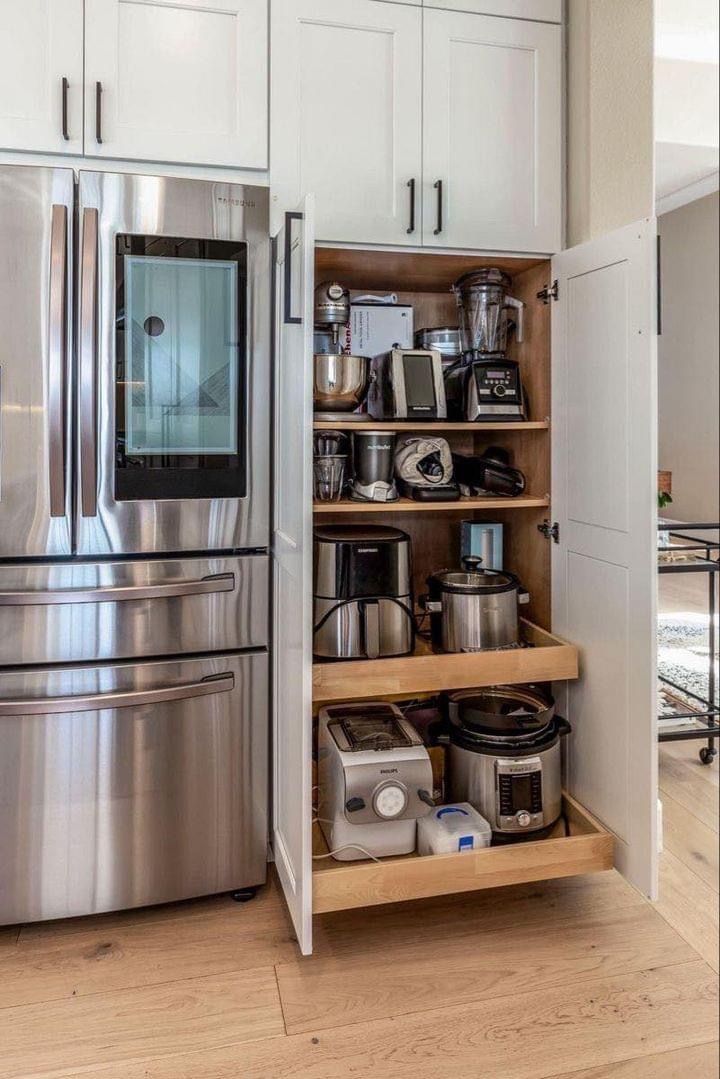
Choose the Right Layout
One-wall kitchens, for instance, are perfect for small spaces or opened-concept homes, keeping all appliances and cabinets on a single wall. On the other hand, larger homes might benefit from L-shaped, U-shaped, or island kitchens that offer ample workspace and storage.
Moreover, ensure that your layout allows for ample circulation space, with no doors or appliances blocking major traffic areas. Consider the ergonomics of the space, maintaining at least a 42" wide pathway between counters or appliances and subtracting an extra 12" if the pathway crosses in front of a sink or stove.


Create a Focal Point
Every kitchen needs a focal point - a statement piece that captures attention and anchors the space. This could be a stunning overhead pendant lamp, a beautiful backsplash, a statement countertop, or a cozy breakfast nook. The focal point should effortlessly blend with the rest of your kitchen design while adding a touch of uniqueness.
Cabinets
Cabinets are not only storage powerhouses but also the largest visual impact in your kitchen. They set the tone for your overall design, so choose wisely based on your durability, aesthetic, and budget needs.
Material and Style
Cabinets come in various materials and styles, from traditional raccoon frames to sleek minimalist flat fronts. Maple, oak, cherry, and walnut are popular wood choices, while MDF and Particleboard offer more budget-friendly options. Think about the overall style you're aiming for - modern, traditional, farmhouse, or contemporary - and choose cabinet designs that complement this aesthetic.


Additionally, consider custom or semi-custom options if you have unique storage needs or specifications. Custom cabinets provide tailored solutions but come at a premium price. Semi-custom cabinets, on the other hand, are factory-built with slight modifications, offering great flexibility at a more affordable cost.
Quality and Budget
Quality cabinets last longer and provide a better return on investment. High-quality cabinets feature dovetail joinery, full-overlay doors, soft-close hinges, and sturdy construction. However, high-end materials and features come at a higher cost.
To stay within budget, consider compromising on some features, choosing less expensive materials, or opting for an "investment-grade" kitchen with mid-range cabinets now and planning for high-end ones later. Also, explore alternative materials like laminate or thermofoil that mimic wood grained surfaces without the price tag.


Building or remodelling a kitchen is no small task, but with careful thought and meticulous planning, you can create a space that reflects your personality, fits your practical needs, and enhances your enjoyment of your home.
Related Articles

Kitchen Design: Essential Factors to Consider
Designing a functional, aesthetically pleasing, and enjoyable kitchen starts with careful planning and consideration of numerous factors. From layout and...
Essential Factors: Top Considerations for Your Dream Kitchen Design
Designing a kitchen isn't just about aesthetics, it's about functionality, ergonomics, and of course, style. Whether you're planning a complete overhaul or a...

Essential Factors for Designing Your Dream Kitchen
Designing a new kitchen is an exciting task that involves a blend of functionality, aesthetics, and personal expression. You want your new space to be...
"Key Factors: Building Your Dream Kitchen"
Building the perfect kitchen can be a daunting task, but with the right planning and consideration, it can become a space that truly reflects your personality...

Kitchen Design: Essential Factors to Consider
Designing a kitchen can be an exciting yet daunting task. This space is not just a place for cooking, but also a hub for family gatherings, creative culinary...

Kitchen Layout Planning: Key Factors to Consider
Designing a kitchen layout is a pivotal decision that influences not just the aesthetic of your home, but also your day-to-day functionality and comfort. With...