Mastering Restaurant Operations: Expert Tips for Effective Training
Training your restaurant staff is not just about teaching them how to take orders or cook meals. It's about instilling a sense of efficiency, professionalism, and customer service that will set your establishment apart. Here are some tips to help you create an effective training program that covers all these aspects and more.
An effective training program starts with clear expectations and a well-structured plan. It should cover every aspect of the job, from the basics to more complex tasks. It should also be tailored to the individual needs and learning pace of each employee. In this article, we'll delve into these aspects and provide practical tips to help you create a robust restaurant training program.
Setting Clear Expectations and Objectives
Before you even begin the training process, it's crucial to set clear expectations and objectives. This will give your employees a benchmark to strive towards and help you measure their progress. For instance, if you're training a waiter, the objectives might include being able to take orders from five tables in a shift with a 95% accuracy rate.


Communicate these expectations clearly and reinforce them throughout the training process. This not only helps in managing your employees' expectations but also motivates them to work towards these goals.
Creating a Structured Training Program
A structured training program ensures that you cover all the necessary topics thoroughly and in a logical sequence. It also helps keep your employees on track and prevents them from feeling overwhelmed. Your program should ideally include both theoretical knowledge and practical skills.


For example, for a kitchen staff training program, you might start with a day of demonstrating the equipment and safety protocols, follow up with a week of theory-based sessions on different cooking techniques, and then transition into practical cooking sessions under supervision.
Tailoring Training to Individual Needs
While a structured program is essential, it's equally important to tailor the training to individual needs. Some employees may grasp certain tasks swiftly, while others might need more time. Some might excel in customer service, while others might be more suited to the back-of-house operations.
Regularly assess your employees' progress and provide additional training or guidance where necessary. This not only ensures that they are adequately prepared for their roles but also shows that you value their individual growth.


Covering All Aspects of the Job
A comprehensive training program covers all aspects of the job, from the most basic tasks to the most complex. It also covers areas that aren't directly job-related but are crucial for restaurant operations, such as health and safety protocols, food hygiene standards, and customer service skills.
Let's delve into some of these areas in more detail.
Job-Specific Tasks
When training your staff, ensure that they understand the finer details of their job. For instance, when training waiters, teach them about the different types of customers they might encounter and how to handle each type. For kitchen staff, demonstrations on how to cook various dishes, manage their station, and prioritize tasks are crucial.


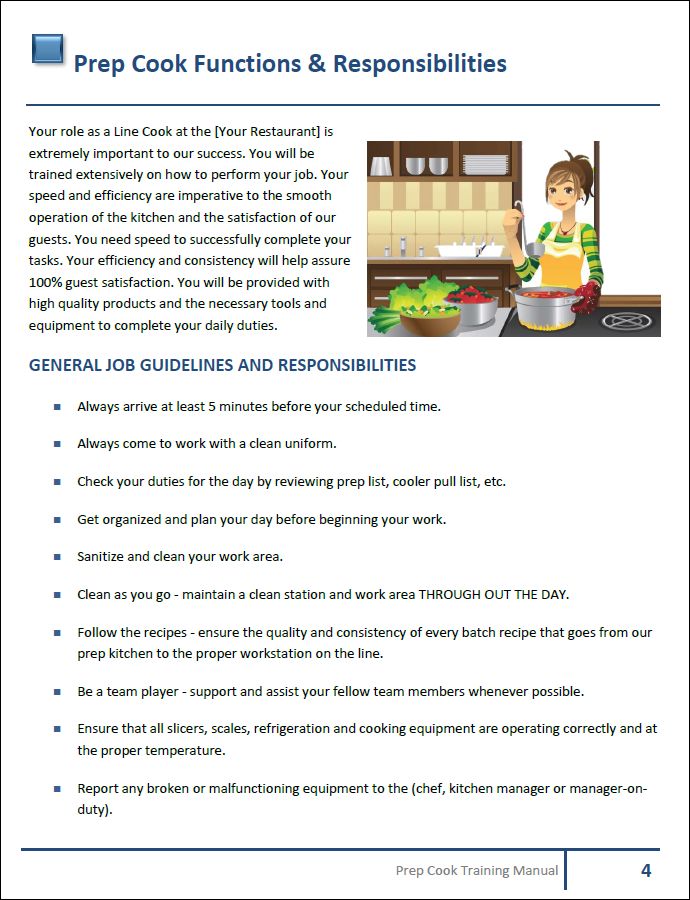


Regularly update your training to include new dishes, menu changes, or any other developments that might affect your staff's job duties.
Industry Standards and Regulations
Your training program should also cover industry standards and regulations, such as food safety guidelines, health and safety protocols, and employment laws. This not only ensures that your restaurant complies with legal requirements but also keeps your staff and customers safe.
Regular refreshers on these areas can help keep your staff updated with the latest practices and regulations.
Soft Skills and Customer Service
Regardless of their role, every employee in your restaurant should have a good understanding of customer service principles. Soft skills like communication, teamwork, problem-solving, and time management are also crucial for effective restaurant operations.
Include workshops on these topics in your training program. Role-playing scenarios can help your staff practice these skills in a safe and controlled environment.
Evaluating and Refining Your Training Program
Regularly evaluating your training program helps you identify areas that need improvement and ensures that your staff is receiving the most up-to-date and effective training possible. Get feedback from your employees and use it to refine your training methods.
For instance, if your employees find a particular task or topic challenging, you can adapt your training to provide more support in those areas. Similarly, if an employee finds a particular aspect of the training particularly useful, you can emphasize that in future training sessions.
Creating a comprehensive and effective restaurant training program requires time, effort, and a deep understanding of your business. However, a well-trained staff can significantly improve your restaurant's operations, customer satisfaction, and ultimately, its bottom line. So, invest in your staff's development and watch your restaurant thrive.
Related Articles

Mastering Prenatal Training: Expert Guidelines & Practical Tips
Prenatal clients require a unique approach to training, one that takes into account their changing body, hormones, and medical history. Providing them with a...

Mastering Training: Expert Tips & Instructions
In the dynamic world of learning and development, providing clear, concise, and effective training instructions is paramount. This guide explores practical...

Mastering Skills: Ultimate Tips Training Manual
Training new employees and sharpening the skills of existing staff is a critical part of running a successful business. While every organization has its unique...

Mastering Clutter-Free Spaces: Expert Decluttering Tips
Decluttering, the process of removing unnecessary items and organizing your space, has become increasingly popular as we strive for minimalist yet functional...

Maximize Space: Expert Tips for Small Restaurant Kitchen Design
In the dynamic world of culinary arts, creating an efficient and comfortable work environment is key to a small restaurant's success. This is where a...

Mastering Tips: Your Ultimate PDF Training Guide
Are you a trainer looking to enhance your sessions with engaging and effective activities? Tips training, also known as "microlearning," offers a solution...