Tool Box Essentials: The Ultimate Contents List
A well-stocked toolbox is an essential part of any handyman's or DIY enthusiast's arsenal. It ensures you're prepared for a wide range of tasks, from minor home repairs to larger-scale projects. But with so many tools available, it can be overwhelming to determine what should go into your toolbox. Here's a comprehensive list of tool box contents, categorised for ease of understanding.
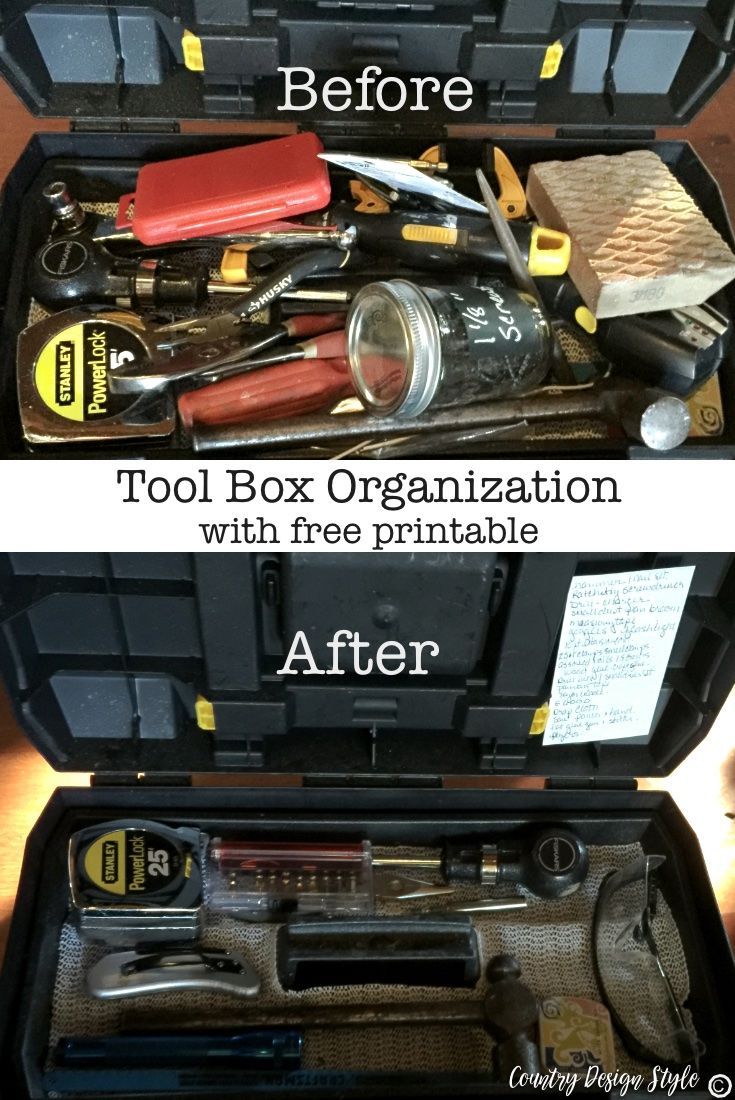
Before we delve into the details, let's briefly discuss the toolbox itself. A good toolbox should be sturdy, well-organised, and large enough to hold all your tools. It's also a good idea to have separate compartments or spaces for different types of tools to maintain order and make finding what you need quick and easy.
Basic Hand Tools
These are the tools that every toolbox should contain. They cover a wide range of tasks and are essential for any project.


If you're new to DIY, our recommendation is to start with these basics and expand your collection as your skills and project requirements grow.
Screwdrivers
Every toolbox needs a set of screwdrivers. You'll typically need both flathead (slotted) and Phillips (cross-shaped) tips. Consider getting a set with variable sizes to cover a range of screw sizes.


For most tasks, a basic set of four or five standard sizes will suffice. However, if you regularly work with larger or smaller screws, consider adding a few outliers to your set.
Wrenches
Wrenches are indispensable for turning and gripping nuts and bolts. A set of metric wrenches (from 8mm to 19mm) and a set of SAE wrenches (from 1/4" to 1") will cover most common usage.
For larger projects or pipes, you might want to consider comfortable kinetic joint pliers or adjustable wrenches as well.



Measuring and Marking Tools
Accurate measurement and marking are crucial for projects that require precision and accuracy.
Here are some tools that can help you get the job done right:
Tape Measure
A reliable tape measure is a must-have for measuring distances, lengths, widths, and heights. Opt for one that's easy to read, durable, and has a locking mechanism.


Also, consider getting a smaller, retractable measuring tape for tighter spaces or when you need to measure in a hurry.
Level and Square
A level helps ensure your surfaces are horizontal, while a square checks that your lines are right-angled and your cuts are accurate.
For most purposes, a 4' level and a combination square (with a built-in level, center finder, and protractor) will serve you well.
Pencil and Marking Tools
You can't create accurate marks without a durable pencil. Consider getting a clutch pencil, which stores extra lead and is resistant to breaking.
For more precise marking, a chisel point pencil or a marking knife might be useful. And for marking inside circles, a circle template or compass can be a game-changer.
Cutting Tools
Cutting tools are essential for working with various materials like wood, metal, and plastic. Here are some tools to include in your toolbox:
Hammer
A claw hammer is versatile and useful for various tasks, from driving nails to removing them. Choose a hammer that's comfortable to use and appropriate for the tasks you'll be tackling.
If you'll be working with power tools, you might also want to consider a ball-pein hammer for striking chisels.
Saws
Saws are a must-have for cutting wood, metal, and other materials. Every toolbox should include a general-purpose hand saw, like a hacksaw or card file saw, for minor cutting tasks.
For larger projects, consider investing in a power saw like a circular saw, jigsaw, or mitre saw. These can make quick work of cutting through thicker or harder materials.
Drilling and Fastening Tools
Drilling and fastening tools are integral to many DIY projects. Here's what you should consider adding to your toolbox:
Drill
A cordless drill is a versatile and essential tool. It's great for drilling holes in various materials and can also be used with driver bits to fasten screws.
Make sure to purchase a drill that has enough power for your needs but isn't too heavy or bulky to use comfortably.
Nail Gun
A nail gun can significantly speed up tasks like framing, trim work, andinstalling hardwood flooring. Consider adding one to your toolbox if you plan on doing any of these tasks.
Remember, nail guns can be dangerous, so always use them with care and follow safety guidelines.
Building a comprehensive toolbox is a journey, and your collection will evolve over time as you take on new projects and learn new skills. But with this list as a starting point, you'll be well on your way to tackling a wide range of DIY tasks.
Don't forget, the enjoyment and rewards of DIY often come from the process as much as the final result. So, embrace the learning curve, and most importantly, have fun!
Related Articles

Pantry Staples: Your Ultimate Grocery List + Essentials
Imagine your pantry: a hub of culinary creativity, a storehouse of sustenance, and a reflection of your family's dietary preferences. However, organizing and...

RV Pantry List Essentials: The Ultimate Storage Guide
Embarking on an RV adventure entails careful planning, especially when it comes to stocking up your pantry. With a well-stocked RV pantry list, you can enjoy...

Baking Pantry: Ultimate Essentials List
Stocking a well-equipped baking pantry is essential for every home baker. Having the right ingredients at hand ensures that you can whip up delicious treats at...

Essential Tool Kit Items: The Ultimate List
When it comes to addressing Home and Garden or DIY projects, it's invaluable to have the right tools at your disposal. Equipping oneself with a robust toolkit...

Ultimate Moving Out: indispensable checklist & essentials to buy
Embarking on your first move can be an exciting yet daunting task, with numerous aspects to consider. One of the most crucial tasks is creating a comprehensive...

Ultimate List of Kitchen Essentials for Your New Apartment
Embarking on a new chapter in your life with an apartment of your own is an exciting time, filled with anticipation and anticipation. Amidst all the moving...