US General Tool Box: Perfect Layout Tips for Easy Access
A well-organized tool box is a key to any DIY enthusiast's efficient work. The layout of your tool box matters as much as the tools themselves, ensuring quick access to the right instruments for the task at hand. Let's explore a comprehensive, search-engine-optimized guide on how to create the perfect "us general tool box layout" for any utility space.
Whether you're a seasoned handyman or a weekend warrior, an optimized tool box layout can significantly enhance your productivity and safety. So, let's dive into creating the ultimate "us general tool box layout" that maximizes space, encourages organization, and prioritizes easy access.
Understanding Your Tool Box Needs
Before you start rearranging your tools, assess your specific needs. Different tasks require different tools, so consider the projects you typically undertake. This initial assessment will help you allocate space appropriately in your tool box layout.


Ask yourself: What are the most frequently used tools? Which ones are heavy or bulky, and thus need more stable storage? How can I group tools by category to streamline my workflow? Let's start addressing these questions by discussing the best ways to organize your tools.
Categorizing Your Tools
Categorizing your tools is the first step towards creating an efficient "us general tool box layout". Group tools by function or frequency of use, then store them in dedicated zones within your tool box. This approach optimizes your workspace, enabling you to find exactly what you need, when you need it.


For instance, consider setting up zones for hand tools, power tools, fasteners, and hardware. Within these zones, further organize tools by size, type, or material. A well-defined categorization system helps maintain order and prevents tools from piling up chaotically, ensuring you have a 'home' for each tool.
Choosing Appropriate Storage Solutions
After categorizing, select the right storage solution for each group of tools. This might involve dividers, tool rolls, or modular drawers. The goal is to minimize movement and maximize visibility, so you see and access your tools with ease.
For example, consider clear plastic containers or drawers for small parts like nuts and bolts. They keep everything within reach and visible, preventing misplacing or losing smaller items. Meanwhile,/c-clips or magnetic strips can secure handheld tools and power cords to the interior of your tool box, reducing clutter. Prioritize flexibility and adaptability in your storage solutions to accommodate evolving tool collections.


Designing a Space-Efficient Layout
A well-designed "us general tool box layout" maximizes space and minimizes waste. To achieve this, consider the dimensions, shapes, and weights of your tools. Heavy tools deserve bottom-drawer placement, while lighter tools can sit higher up or in shallower drawers.
Furthermore, make use of drawer and compartment depths. Store longer tools like screwdrivers and wrenches in deeper, narrow drawers, while keep smaller components in shallower, wider drawers. This not only saves space but prevents tools from toppling over or getting misplaced.
Optimizing Vertical Space
To save floor space, explore vertical storage options. Wall-mounted pegboards, for instance, allow you to hang tools like hammers, saws, and drills, freeing up drawer and counter space. Additional vertical storage can come from using hanging shelves or stacking bins for supplies.


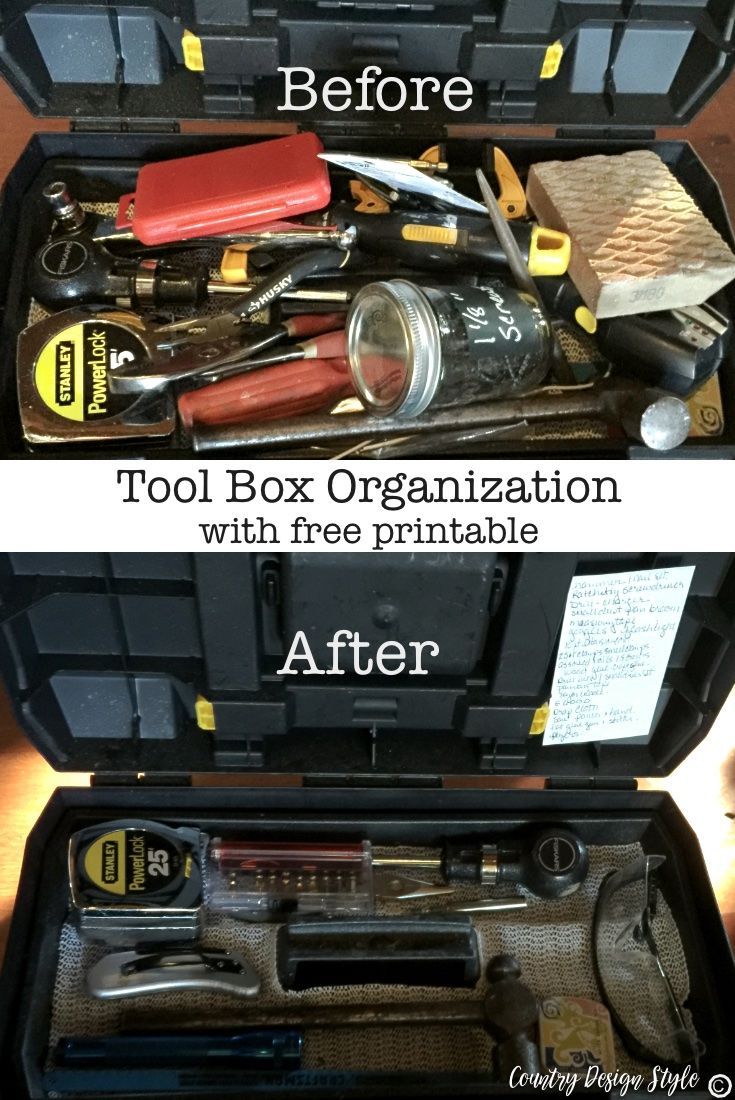

However, be mindful not to overload top shelves. Heavy tools should be stored at waist height to prevent injury, and frequently-used tools should be within easy reach. Balance vertical storage with practical considerations to maintain safety and efficiency.
Utilizing Portable and Modular Tool Boxes
If you're often moving from one task to another, consider investing in portable or modular tool boxes. They allow you to bring only the necessary tools to each job, keeping your workspace organized and uncluttered. Modular units can be attached together, transforming into a single, large workstation when needed.
Opt for tool boxes with durable caster wheels, strong handles, and a combination of drawers and open compartments. This balance promotes versatile use, allowing you to switch between compact portability and comprehensive storage at a moment's notice.
A well-designed "us general tool box layout" is more than just tidy; it's a system that adheres to the needs of your specific workspace and task requirements. By categorizing, using appropriate storage solutions, and optimizing space efficiently, you'll create a tool box that boosts productivity and safety. So, take these tips to heart, organize your tools thoughtfully, and revel in the joy of a perfectly laid-out tool box.
Related Articles

Oven Cabinet Access: Easy Opening Tips & Ideas
Ever felt your kitchen lacking a touch of modern elegance? An oven cabinet opening might just be the game-changer you're looking for. This seemingly simple...

Kitchen Base Cabinet Lazy Susan Dimensions: Perfect Fit & Easy Access
When it comes to optimizing your kitchen space, base cabinet lazy susans have become an incredibly popular and practical solution. These multifaceted storage...

Easy Kobalt Mini Tool Box Drawer Removal Guide
Ever found yourself rummaging through your toolbox, only to realize that tools are scattered, or worse, missing? It's high time to organize your workspace and...

Optimize Pantry Space: Perfect Layouts for Every Size
Embarking on a kitchen remodel or simply seeking an efficient way to organize your pantry? Understanding pantry layout sizes can significantly streamline your...

Maximize Your Space: Expert Tips for Designing a Small Kitchen Layout
Transforming a small kitchen into a functional and inviting space can seem daunting, but with the right layout and design, even the coziest of spaces can be a...

Lazy Susan Door Hinge Adjustment: Easy Tips & Tricks
Picture this: You've installed a brand new lazy susan cabinet door, eager to enjoy its convenient swivel feature. But to your dismay, the door isn't hanging...