Vanity for Restaurant Owners: Elevate Your Brand with Customized Vanity Plates
In the dynamic world of hospitality, creating an inviting ambiance is paramount for restaurants to stand out and thrive. One aspect that significantly contributes to this is the concept of 'vanity' - not in the sense of excessive self-absorption, but rather, the art of showcasing the best aspects of a restaurant to create a memorable experience for guests. This goes beyond just maintaining cleanliness; it's about highlighting the unique selling propositions that make a restaurant special.
Let's delve into the multifaceted role of 'vanity' in the restaurant industry, exploring how it drives customer satisfaction,Repeat business, and ultimately, success.
Theatrical Ambiance: Setting the Stage
The 'vanity' of a restaurant starts with its curb appeal, setting the initial impression even before guests step inside. A well-lit, inviting entrance, appealing signage, and attractive landscaping all contribute to perceived value and entice customers to explore further.


Once inside, thoughtful interior design takes center stage. This includes strategic lighting (both natural and artificial), captivating decor, and artfully arranged furniture that not only looks great but also facilitates smooth service flows and customer comfort.
Lighting: The Secret Weapon
Lighting is a powerful tool that can dramatically change the mood and perception of a space. Warm, dim lighting encourages intimacy and relaxation, while bright, cool lights stimulate the senses and are perfect for lively cocktail bars or bustling brunch spots.


Consider chandeliers, pendant lamps, or even wall sconces to highlight specific areas, drawing the eye to attractive features like a stunning fireplace, vibrant mural, or beautiful view.
Art and Decor: Storytelling through Design
Artwork and decor should tell a story about the restaurant's cuisine, concept, and heritage. This could be through tasteful murals inspired by the chef's culinary journey, vintage posters showcasing the restaurant's history, or even whimsical installations that spark conversation and Instagram photos.
Don't forget functional pieces that double as decor, such as exposed brick, timber paneling, or stylish shelving that houses wine glasses, cookbooks, or other rhoemed items. These elements create visual interest and depth, making the space more compelling and 'Instagram-worthy'.
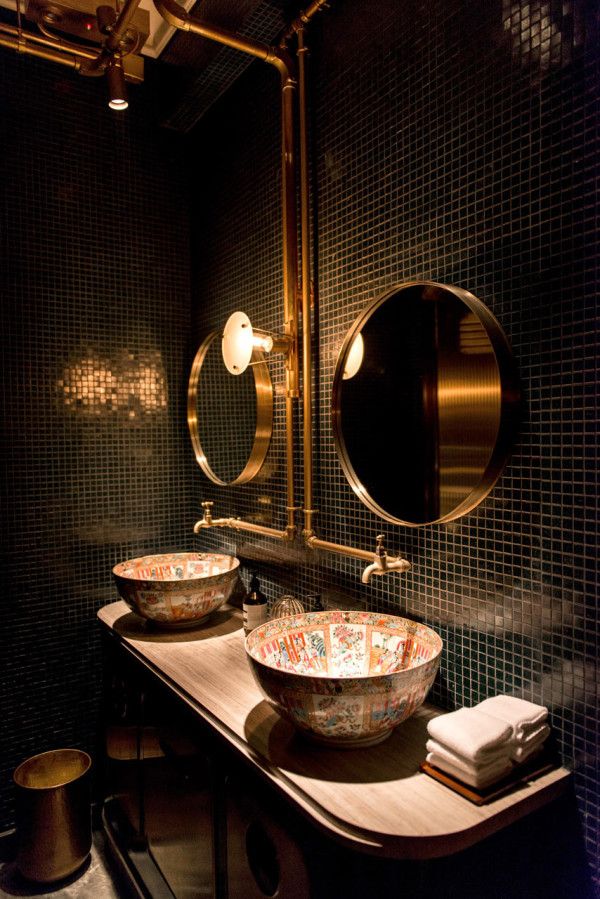


Food Presentation: Art on a Plate
In today's social media-driven world, food presentation has never been more critical. A aesthetically pleasing dish not only tantalizes the taste buds but also engages diners visually, tempting them to share their meal online and generate buzz.
Chefs are now 'plating' their dishes like canvas, using edible garnishes, microgreens, and intricate patterns to make each dish a work of art.
Color Theory: Appetizing and Inviting
Color theory is fundamental to food presentation. Studies show that certain colors stimulate appetite and make food more appealing. Think rich reds for meat dishes, vibrant greens for salads, and golden hues for desserts.


Contrast is key too; pair bold, vibrant colors with neutral backgrounds to make food pop. For example, marital Maryland crab cakes on a crisp white plate, or a tie-dye effect with contrasting colors in a vegan Buddha bowl.
Texture, Shape, and Height: Visual Dynamics
Food that's pleasing to the eye appeals not just to our sense of sight, but also touch. Texture, shape, and height create interest and complexity, making the dish more appealing. This could be achieved through 'deconstructed' dishes with ingredients artfully arranged, caviar-like pearls scattered over risotto, or food served in stylish, mismatched crockery.
Layering ingredients, or serving dishes on elevated platforms, also adds visual drama and showcases the art of cooking.
Staff Engagement: Warm Hospitality
The 'vanity' of a restaurant isn't just about the decor; it's also in the faces of the staff, their warmth, and the cheerful energy they bring. Welcoming smiles, attentive service, and genuine interest in guests' experiences magnify the 'vanity' of the restaurant tenfold.
Staff uniform, grooming, and body language also play a role. Well-presented staff members with clean uniforms and friendly body language reinforce the 'vanity' of the restaurant, projecting an image of professionalism and attention to detail.
TableSide Theatre: Engaging Diners
Interactive presentations, like flambéing dishes tableside or pouring drinks expertly, engage diners and create memorable experiences. These moments of theatre also induce ' tenditaste' - diners psychologically savor the food even before taking a bite.
Encouraging staff to share their knowledge and enthusiasm for the food and beverages further enhances the overall 'vanity' of the restaurant, creating lasting connections with guests.
rituals and Flourishes: Personal Touches
Small, lovely gestures can go a long way in enhancing the ‘vanity’ of a restaurant. This could be the theatrics of a beverage menu presented in a beautiful, leather-bound book, or the crispness of a linen napkin artfully folded and placed on the table.
In the competitive landscape of the restaurant industry, 'vanity' - in the form of a well-crafted ambiance, enticing food presentation, and stellar service - can truly set a establishment apart. By attentively catering to all our senses, restaurants can create meaningful experiences that draw guests back again and again. So, let's not shy away from a touch of 'vanity' - let it shine, and let it drive your restaurant's success.
Related Articles

الراحة لل պատճառات +++++ bathroomdesign.md Bathroom Design Ideas for Small Spaces Decorating a small bathroom can be a challenge, but with the right design ideas, you can create a functional and stylish space. Here are some inspiration and tips for creating the perfect small bathroom. 1. **Maximize Vertical Space** - Install wall-mounted sinks and floating shelves to create an airy feel and make the most of your vertical space. - Use tall, narrow cabinets and consider open shelving to keep the room feeling spacious. 2. **Use Light Colors** - Light colors reflect light and make a small room feel brighter and more open. Opt for white, light gray, or pastel shades. - Include some natural light by placing a window or skylight, if possible. 3. **Mirror, Mirror** - Mirrors reflect light and create the illusion of depth, making your bathroom feel bigger. Place a large mirror above the sink or opt for a mirrored medicine cabinet. - Consider a mirror with built-in lighting for added functionality and brightness. 4. **Go Minimalist** - Keep clutter to a minimum by incorporating storage into your design, such as small cabinets, baskets, or wall-mounted trays. - Opt for simple, clean lines in your fixtures and decor to create a streamlined look. 5. **Choose a Small Bathtub or Shower** - If you must have a bathtub, consider a compact model or a combination shower-tub unit to save space. - Alternatively, opt for a shower with a glass door to create an open, airy feel. 6. **Use the "Jack and Jill" or Half Bath Strategy** - If your space allows, consider creating two small bathrooms (one with a toilet and sink, and the other with a shower or bathtub) instead of one larger one. - This can be a great solution if you have more than one person using the bathroom at a time. 7. **Make Use of Niche Spaces** - Don't ignore small nooks and crannies – a narrow countertop, a sliver of wall, or an alcove can all be put to good use with clever storage solutions or decorative accents. 8. **Marabou Bathroom Ideas - A half bath or powder room can be a great opportunity to make a bold statement with your design. - Consider unique wallpaper, dramatic lighting, and eye-catching fixtures to create a memorable space. 9. **Install an Ensemble of Standard-Size Fixtures** - Opting for standard-size fixtures (like a 30-inch vanity or a 60-inch bathtub) that fit perfectly in your space can help you avoid the need for costly custom-built pieces. 10. **Don't Forget the Details** - Small touches like glossy tile, sleek hardware, and modern lighting can elevate your design and make your small bathroom feel polished and complete. With these design ideas in mind, you're well on your way to creating a functional, stylish, and comfortable small bathroom. Happy decorating!
Ah, the time-honored challenge of decorating a bathroom that not only fits your style but also ticks all the boxes for future tenants. Fret not, for we've...

Elevate Your Space: Stunning Kitchen Designs with Central Islands
A well-designed kitchen is not just functional, it's the heart of your home. One of the best ways to achieve this is by incorporating a center island. Not only...

Elevate Your Kitchen: Stunning Styles & Ideas for Kitchen Island Plates
Discover the perfectтайный centerpiece for your dream kitchen: the kitchen island plate . More than just a functional addition, it's an artful statement that...

Elevate Your Decor with Extra Large Table Centerpiece Ideas for a Show-Stopping Statement
Transform your dining space into a captivating showcase with extra large table centerpiece ideas that combine art, functionality, and wow factor. These...

Corner Bathroom Vanity Mirror Ideas: 10 Stylish and Functional Designs to Elevate Your Space
When upgrading or revamping your bathroom, the corner vanity is often the central focus. Not only does it serve a practical purpose, but it also sets the tone...

Corner Plant Stand DIY: Elevate Your Space with Easy Home Decor
The corner of your room is typically a forgotten space, left barren or cluttered. But what if we told you it could become a stylish statement with a simple DIY...