Best Pan Material: A Comprehensive Guide
When it comes to cooking, one of the most vital pieces of equipment in your kitchen is the humble pan. But with countless materials vying for your attention - from stainless steel to non-stick coatings, copper to cast iron - it can be overwhelming to decide which is best for your needs. We're here to guide you through the maze of materials and help you find the perfect pan for your culinary adventures.
Firstly, understanding the unique properties of each material is key to making an informed decision. Let's dive into the world of pan materials, exploring their advantages, disadvantages, and ideal uses. By the end of this journey, you'll be well-equipped to choose the best pan for your kitchen.
Understanding Material Properties
Pans are primarily crafted from the materials listed below. Each of these has distinct qualities, affecting heat distribution, durability, maintenance, and overall performance in the kitchen.


Stainless Steel
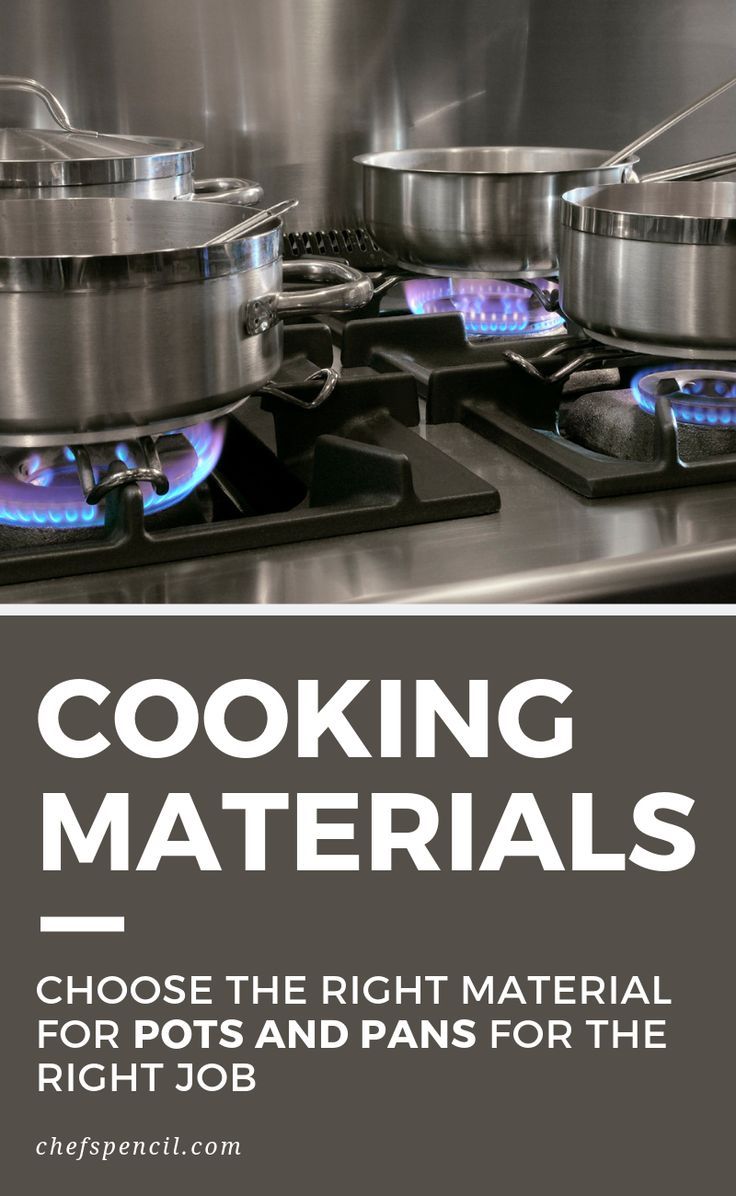
Stainless steel pans are renowned for their durability and corrosion resistance. They're easy to clean and maintain, requiring minimal seasoning or delicate care. However, they can be more expensive than other options and may not provide even heat distribution without additional components.
Although stainless steel pans are naturally non-stick, they generally require oil for cooking to prevent food from sticking. They're an excellent choice for high-heat cooking methods like searing, boiling, and sautéing, and are highly recommended for those who prioritize longevity and low maintenance.


Copper
Copper is celebrated for its exceptional heat conductivity, providing unparalleled control over cooking temperatures. This property makes it ideal for delicate dishes and pastry-making. However, copper pans can be prone to warping, are more expensive than other materials, and require regular polishing to maintain their appearance.
To harness the benefits of copper without its drawbacks, many manufacturers create copper-core pans - a layer of copper sandwiched between easier-to-manage materials like stainless steel for durability and non-stick surfaces for easier cleaning. This hybrid approach offers the best of both worlds for discerning cooks.
Cast Iron
Cast iron pans are coveted for their superior heat retention and even heat distribution. They're incredibly durable, capable of lasting generations with proper care. Moreover, cast iron pans can be seasoned to create a natural, non-stick surface. However, they're heavy, can be difficult to maneuver, and require thorough seasoning and maintenance to prevent rust.



Enamel-coated cast iron pans, like Le Creuset or Staub, mitigate many of these issues by providing a near-indestructible, easy-to-clean surface while retaining the benefits of cast iron. These are an excellent choice for one-pot meals, braising, and slow cooking.
Specialty Materials
In addition to the classics, several newer materials have emerged, offering unique benefits for specific cooking tasks.
Non-stick Coatings
Non-stick coatings, such as PTFE (Teflon) and ceramic, provide exceptional food release, making them ideal for delicate dishes like omelets, pancakes, and fish. However, they're often less durable than traditional materials and can degrade with high heat and repeated use. It's crucial to choose high-quality, safe non-stick surfaces and avoid scratched pans to prolong their lifespan.


PTFE has come under scrutiny due to potential toxic fumes at high temperatures. However, newer generations of PTFE are safer, and ceramic non-stick coatings are a popular, eco-friendlier alternative. Both are widely available in a range of budgets and are excellent choices for health-conscious cooks seeking effortless food release.
Carbon Steel
Carbon steel pans combine the heat conductivity of copper with the durability of cast iron. They're lighter and more responsive than cast iron, making them ideal for quick, high-heat cooking methods like stir-frying and sautéing. Carbon steel pans require seasoning like cast iron but offer superior performance for those willing to put in the maintenance effort.
Carbon steel wok, popular in Asian cuisine, is an excellent example of this material's prowess. With regular care, carbon steel pans can develop a natural, near-non-stick surface, offering impressive cooking performance at an affordable price point.
Choosing the best pan for your kitchen ultimately depends on your personal preferences, cooking style, and budget. Familiarize yourself with the unique properties of each material, and don't hesitate to invest in a high-quality pan - it pays dividends in culinary enjoyment and longevity.
Embrace the journey of discovery, experiment with different materials, and happy cooking!
Related Articles

Best Materials for Kitchen Countertops: A Comprehensive Guide
Embarking on a kitchen remodel or building a new home often involves a crucially important decision: choosing the perfect material for your kitchen...

Best Cookware Materials: A Comprehensive Guide
When it comes to cooking, the utensils you use can significantly impact the taste, presentation, and overall quality of your dishes. Different materials react...

Best Material for Modular Kitchens: A Comprehensive Guide
When it comes to designing your dream kitchen, choosing the right materials for your modular kitchen cabinets is a crucial decision that will impact both...

"Best Materials for Kitchen Location: A Comprehensive Guide"
Navigating the kitchen layout can significantly impact not just the aesthetics but also the functionality and comfort of your space. One crucial aspect often...

Best Materials for Garage Cabinet Doors: A Comprehensive Guide
When it comes to enhancing the functionality and aesthetics of your garage, the right garage cabinet doors can make a significant difference. Not only do they...

Best Sink Materials for Kitchen Sinks: A Comprehensive Guide
When it comes to choosing the best sink material for your kitchen, it's crucial to consider durability, aesthetics, maintenance, and practicality. Each...