Best Material for Pots & Pans: Comprehensive Comparison & Benefits
When it comes to choosing the perfect cookware, determining the best material for your pots and pans can significantly impact your cooking experience, the longevity of your tools, and even the taste of your food. With a plethora of options available, from traditional stainless steel to innovative copper and cast iron, the decision-making process can be overwhelming. Let's delve into the unique attributes of various materials to help you make an informed choice.
First and foremost, it's crucial to consider the balance between heat distribution, durability, maintenance, and cooking performance. Each material offers a distinct combination of these factors, catering to different culinary preferences and needs. Whether you're a home chef looking to upgrade your kitchen essentials or a professional seeking high-performance cookware, understanding the key characteristics of various materials is the first step towards making the perfect selection.
Understanding Material Properties
Before exploring specific materials, it's essential to grasp some fundamental properties that distinguish one from another. Heat distribution, durability, maintenance requirements, cooking performance, and heat resistance are all critical aspects to consider when selecting the best material for your pots and pans.


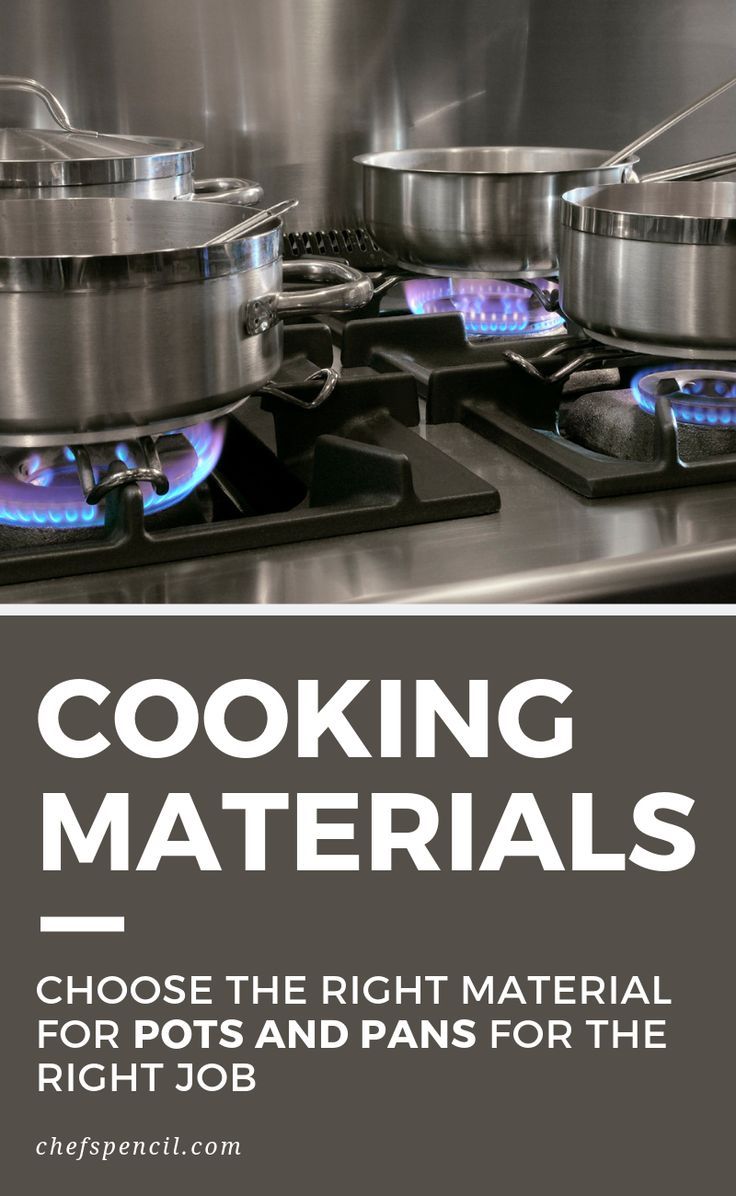
Heat distribution refers to how evenly a material spreads heat across its surface. Even heat distribution ensures that your food cooks uniformly, preventing hot spots that can lead to overcooked or undercooked sections. Durability is vital for the longevity of your cookware, as it determines how well it withstands frequent use, high temperatures, and potential damage. Maintenance requirements encompass the cleaning, seasoning, and overall upkeep needed to preserve the material's performance and appearance. Cooking performance includes various factors, such as the material's responsiveness to temperature changes, its non-stick properties, and its ability to retain heat. Lastly, heat resistance refers to the material's capacity to withstand high temperatures without warping or degrading.
Stainless Steel
Stainless steel is a popular and versatile choice for cookware materials due to its exceptional durability, resistance to corrosion, and low reactivity with food. It maintains its appearance and performance even with extended use and exposes food to minimal flavor alterations. Stainless steel is an excellent heat conductor, distributing heat evenly and maintaining temperatures consistently. However, it can be prone to hot spots in thin-gauge cookware and may require more careful monitoring during cooking.


One of the primary concerns with stainless steel cookware is its non-stick properties. While many modern varieties feature a non-stick coating or an interior made from a different material, such as aluminum or copper, these mailings can wear down over time, necessitating replacement or tekrar seasoning. Furthermore, stainless steel may require more careful cleaning to maintain its appearance and prevent the buildup of hard water stains or discoloration.
Aluminum
Aluminum is known for its outstanding heat conductivity, which ensures rapid and even heat distribution throughout the cookware. This quick and efficient heat transfer enables swift boiling and decreases cooking times, making aluminum an attractive choice for busy cooks. Additionally, aluminum is lightweight and affordable, making it an accessible option for those seeking high-performance cookware without a premium price tag.
However, aluminum is susceptible to warping and denting, which can compromise its durability and heat distribution capabilities. To mitigate these issues, many cookware manufacturers clad or core aluminum with other materials, such as stainless steel or copper, to provide added strength and reinforcement. Despite these efforts, aluminum may still require more meticulous maintenance to prevent oxidation and maintain its appearance over time. As aluminum is reactive with certain foods, especially acidic ones like tomatoes or citrus, it's essential to treat these ingredients gently to prevent discoloration and off-flavors.


Copper and Copper-core Materials
Copper is celebrated for its exceptional heat conductivity, which far surpasses that of aluminum and stainless steel. Copper pots and pans heat up rapidly and evenly, providing precise temperature control and outstanding cooking performance. Its superior responsiveness to temperature changes allows for swiftreactive cooking techniques, such as searing or sautéing, enabling cooks to develop complex flavors and depth.
Unfortunately, copper's reactivity with food and its susceptibility to corrosion pose significant challenges for those considering this material. Copper can leach into acidic or salty foods, altering their flavor and potentially leading to health concerns if ingested in excessive amounts. To mitigate these issues, many manufacturers create copper-core or copper-clad cookware, featuring a copper interior encased in stainless steel or another non-reactive material. These combinations allow cooks to capitalize on copper's superior heat distribution while preserving the quality and safety of their food. However, copper and copper-core cookware can be more expensive and require additional maintenance, including regular polishing to remove tarnish and maintain its lustrous appearance.
Cast Iron
Cast iron cookware is renowned for its exceptional durability and excellent heat retention, making it an outstanding choice for slow-cooking methods, such as braising or baking. Its ability to distribute heat evenly and maintain consistent temperatures ensures that your food cooks gently and uniformly, preserving its flavors and textures. Furthermore, cast iron is incredibly versatile, as it can be used on various heat sources, including induction, gas, electric, and even open flames. Despite its heavy weight, cast iron cookware provides impressive value for its longevity and performance.


One significant challenge with cast iron cookware is its susceptibility to rusting, which requires regular seasoning and careful maintenance to preserve its non-stick properties and appearance. The seasoning process involves applying a layer of oil and heating it to create a protective coating that shields the cast iron from moisture and prevents rust. Although this upkeep can be time-consuming, many cooks appreciate the deep, robust flavors that a properly seasoned cast iron skillet imparts to their dishes. Additionally, cast iron can be sensitive to sudden temperature changes, which may cause warping or cracking if not cared for appropriately.
Seasoned Steel or Carbon Steel
Seasoned steel and carbon steel cookware share many similarities with cast iron, offering exceptional heat retention, uniform heat distribution, and outstanding durability. However, they are generally lighter in weight and have better resistance to rust, making them slightly more forgiving during care and maintenance. Similar to cast iron, carbon steel cookware requires seasoning to develop its non-stick properties and protect its surface, but the process is typically less labor-intensive and more straightforward.
Carbon steel's responsiveness to temperature changes and even heat distribution make it an excellent choice for searing, stir-frying, and sautéing. Its light weight and thin design allow for precise control and agility, enabling cooks to create delicate, beautifully browned dishes with ease. Although carbon steel and seasoned steel cookware can be more expensive than other options, their long-lasting performance and superior cooking capabilities make them a worthwhile investment for discerning home chefs.
In your quest for the perfect material for your pots and pans, it's essential to weigh the unique attributes of each option against your specific cooking needs and preferences. By understanding the fundamentals of heat distribution, durability, maintenance requirements, and cooking performance, you can make an informed decision that will serve you well in your culinary endeavors. Whether you opt for the versatility of stainless steel, the outstanding heat conductivity of copper, or the robust flavors of cast iron, investing in high-quality cookware tailored to your needs will undoubtedly enhance your cooking experience and elevate your dishes to new heights. Happy cooking!"
Related Articles
Top Brands for Pots & Pans: Who's the Best in 2023
Investing in a quality set of pots and pans is a culinary game-changer, transforming your kitchen into a haven of delicious, home-cooked meals. With a myriad...
Top-Rated Pots and Pans: The Best of 2023
When it comes to choosing pots and pans, we all want the best for our kitchen. But with the wide array of options available, from non-stick to stainless steel...
Which Pots and Pans Are Best
Choosing the right pots and pans is crucial for cooking delicious meals and maintaining a well-equipped kitchen. With numerous materials, brands, and types...

Best LED Lights for Your Kitchen: A Comprehensive Comparison
When it comes to lighting up your kitchen, choosing the right LED lights can significantly enhance its ambiance, functionality, and energy efficiency. But with...

Best Color for Plant Pots: A Comprehensive Guide
When selecting plant pots, the color of the container can make a significant impact on the overall aesthetic and even the health of your plants. The choice of...

Best Materials for Kitchen Countertops: A Comprehensive Guide
Embarking on a kitchen remodel or building a new home often involves a crucially important decision: choosing the perfect material for your kitchen...