ADHD-Friendly Kitchen Design
Creating a functional and comfortable living space for individuals with ADHD, or Attention Deficit Hyperactivity Disorder, involves more than just aesthetics. It's about designing a kitchen that supports focus, minimizes distractions, and optimizes daily routines. Let's explore how to achieve this through an ADHD-friendly kitchen design.
ADHD-friendly kitchen design first requires an understanding of the unique challenges faced by individuals with ADHD. These can include struggles with organization, focus, and potential sensory overload. By addressing these issues, we can create a space that promotes calm, encourages productivity, and supports a smoother daily routine.
Designing for Focus andOrganization
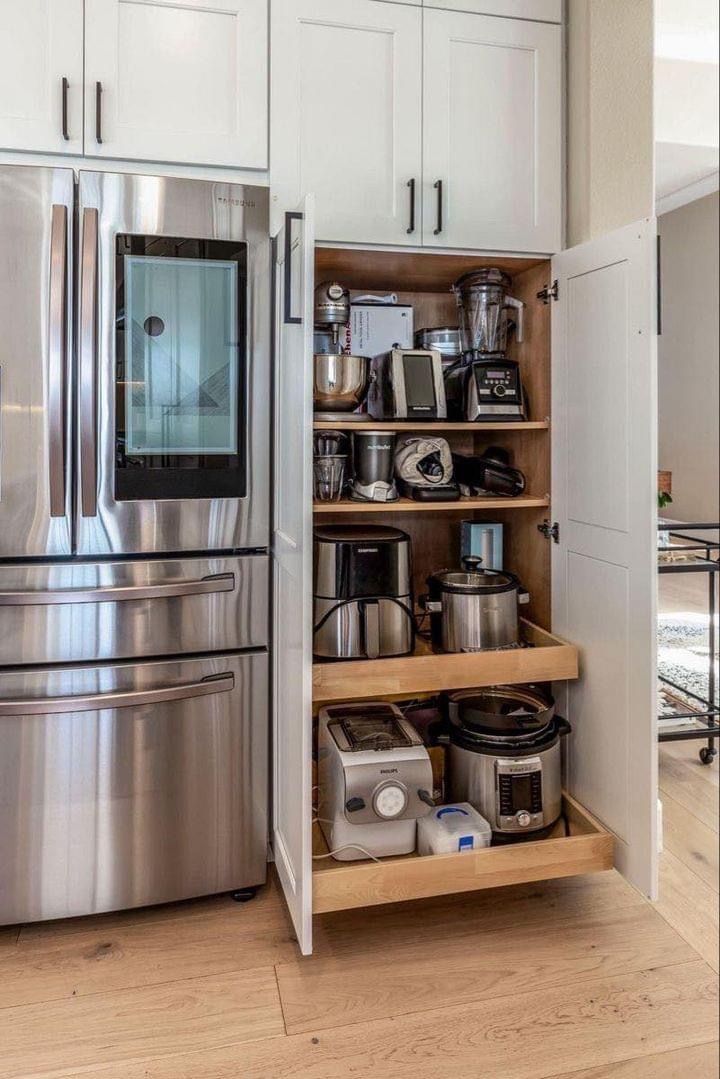
Adopting a minimalist approach can significantly help in managing distractions. Keep countertops clear and maximize storage space to reduce clutter.


Use open shelving to clearly display items and make it easier to find what you need. Additionally, color-coding storage solutions can help أسر organizar items visually.
Minimize Distractions
Opt for a simple, streamlined design with a neutral color palette to avoid visual overstimulation. Keep patterns and bright colors to a minimum.


Use acoustic panels or area rugs to absorb noise and create pockets of calm within the kitchen.
Optimize Workflow
Implement a First In, First Out (FIFO) system for food storage to prevent expired items from accumulating. Clearly label storage containers to make it easier to find and replace items.
Consider the Pрающее Triangle concept for kitchen layout, placing the sink, stove, and refrigerator close together for optimal workflow and to minimize steps between tasks.


Creating a Calming Environment
A calming environment can help manage ADHD symptoms and promote focus. Incorporate natural light, soft lighting, and soothing color schemes.
Use plants to add a touch of nature and help filter air, while also providing a soothing visual focus.
Managing Sensory Overload
Choose smart lighting solutions that allow you to adjust brightness and color temperature, helping to create a more comfortable environment.


Install quiet close drawers and doors to minimize noise and reduce sensory triggers. Additionally, opt for soft-closure sinks to prevent loud banging.
With these principles in mind, creating an ADHD-friendly kitchen becomes a rewarding project that not only enhances your living space but also supports the unique needs of individuals with ADHD. Consider working with a professional designer to bring your vision to life and create a truly customized, supportive environment.
Related Articles
ADHD-Friendly Kitchen Design: Boost Focus & Functionality
ADHD and kitchen design may not seem like the most obvious pairing, but creating a kitchen space that caters to the unique needs and challenges of individuals...
ADHD-Friendly Kitchen Tools: Essential Gadgets for Efficient Cooking
Managing daily tasks can often feel overwhelming, especially when you're living with ADHD. One space that can feel particularly challenging is the kitchen...

ADHD-Friendly Lunch Ideas: Engaging & Nutritious
Do you find yourself struggling to prep lunches for your child with ADHD? You're not alone. With busy mornings and intricate dietary needs, it can feel...

ADHD-Friendly: Essential Kitchen Timer Gadgets for Focus & Productivity
ADHD, or Attention Deficit Hyperactivity Disorder, poses unique challenges in daily life, with organizational tasks often being a significant hurdle. One...

ADHD-Friendly Jobs: Top Careers for Attention Management
In the dynamic world of work, not all jobs are created equal, and that's okay. For individuals with ADHD (Attention Deficit Hyperactivity Disorder), finding a...

Adhd-Friendly Kitchen Tools: Streamline Your Mealtime
In the bustling world of culinary activities, organization and focus are paramount to create delicious and stress-free meals. For individuals with ADHD...