ADHD-Friendly Kitchen Design: Boost Focus & Functionality
ADHD and kitchen design may not seem like the most obvious pairing, but creating a kitchen space that caters to the unique needs and challenges of individuals with ADHD can significantly improve daily life. By focusing on efficient layout, minimal distractions, and organizational tools, you can design a space that supports attention, memory, and executive functioning.
According to the National Institute of Mental Health, ADHD affects approximately 9.4% of children and adolescents and about 4.4% of adults. With such prevalence, creating ADHD-friendly spaces has become increasingly important, with kitchens being a prime area of focus given the tasks they demand.
Understanding ADHD: Implications for Kitchen Design
ADHD is characterized by persistent patterns of inattention and/or hyperactivity-impulsivity that interfere with daily life and functioning. This includes issues with sustained attention, organizing tasks and materials, and following through on instructions or routines - all tasks that frequently occur in the kitchen. Therefore, kitchen design for individuals with ADHD should aim to mitigate these challenges.


ADHD-friendly kitchen design is not one-size-fits-all. Everyone's cognitive and functional abilities are unique, even among those with ADHD. Thus, the design should be tailored to the specific needs and preferences of the user.
Maximizing Efficiency: Layout Considerations
Maintaining focus in a busying environment can be challenging for individuals with ADHD. Therefore, the layout of an ADHD-friendly kitchen should be simple and clutter-free with minimal distractions. An open-plan design encourages multi-tasking, which can be beneficial for those with ADHD since they often think better on their feet.


Placing frequently used items within easy reach and minimizing the distance between workspaces - cooking, prepping, and cleaning areas - can also enhance efficiency. This not only supports attention and focus but also reduces the cognitive load of remembering multiple steps or locations.
Reducing Distractions: Minimalist Approach
Minimalism is a key principle in ADHD-friendly design. Reducing visual stimuli, noise, and clutter can help improve focus and minimize distractions. This means opting for simple, clean lines in cabinetry and countertops, using neutral colors, and minimizing patterns or textures.
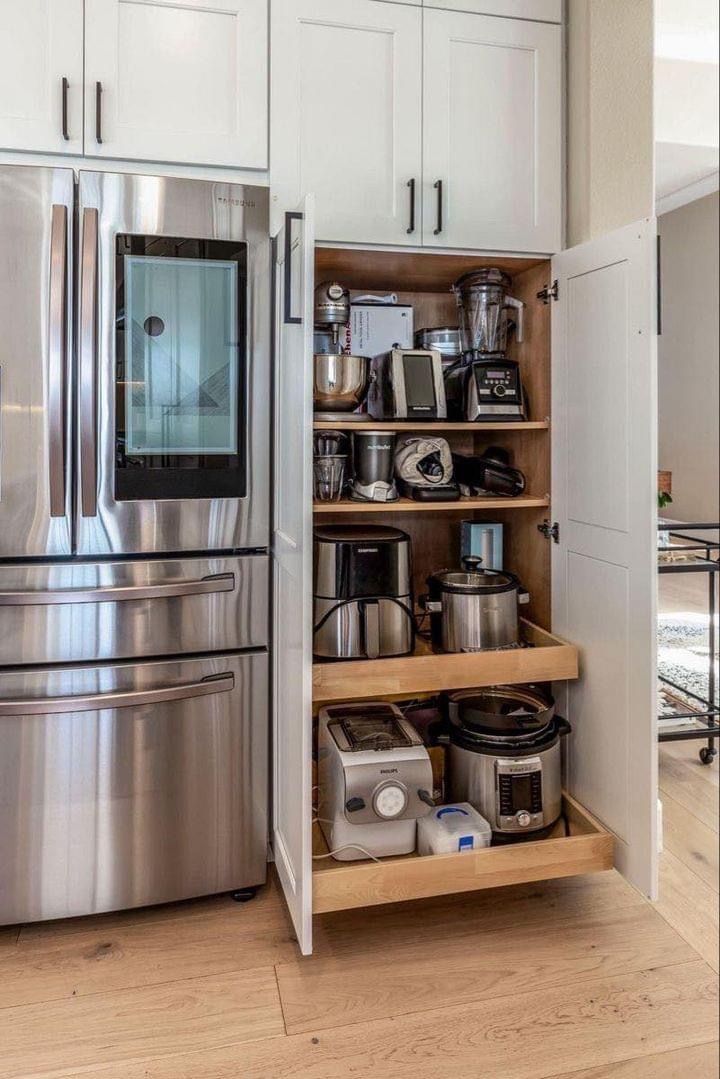
Muted lighting and minimal ornamentation can also help reduce distractions. Additionally, using concealed kitchen appliances like dishwashers or coffeemakers, and incorporating ample storage to reduce visible items can help maintain a clutter-free environment.



Organization and Routines: Essential ADHD Kitchen Features
ADHD often disrupts daily routines and executive functioning. Therefore, designing a kitchen that supports routines and organization can be highly beneficial. This includes implementing practical storage solutions, visual cues, and structured layouts to enhance independence and cognitive load.
For instance, clear bins and labels can help users locate items quickly and return them to the correct place, reducing decision-making during tasks. Similarly, using signs for cabinets or drawers can enhance memory retention for where things are stored.
Clear Zones and Workstations
Establishing clear zones for different tasks can help individuals with ADHD negotiate the environment more effectively. This might include a cleaning zone near the sink, a prep zone near the counter, and a cooking zone near the stove. Each zone should be self-contained with necessary tools and ingredients.


Similarly, dedicated workstations can also be beneficial for multitasking, which many individuals with ADHD find easier than shuffling between multiple tasks. For example, a kitchen island with integrated appliances or a peninsula with prep area and seating can enable multitasking while maintaining a clear division of tasks.
Beiruting on Visual Cues and Technology
Individuals with ADHD may find visual cues helpful in remembering tasks or maintaining focus. This could include wall calendars or Dry Erase boards for recording notes or chores. Smart home technology like automated lighting or reminders on intelligent speakers can also provide support.
Having a designated, visible space for keys, wallets, or other frequently misplaced items can also be helpful. This could be a hook near the door, a designated drawer, or a key rack, which reduces the mental effort required to remember where these items are located.
Finally, creating an ADHD-friendly kitchen isn't just about functionality; it's also about fostering a space that encourages positive interactions and social connections. This could mean incorporating a dining area or a comfy nook for casual conversations. By balancing practical design and inviting aesthetics, an ADHD-friendly kitchen can be a space that truly supports well-being and independence.
Related Articles

ADHD-Friendly Tools: Boost Focus & engage Kids
ADHD, or Attention Deficit Hyperactivity Disorder, can present unique challenges for children in their daily lives. Maintaining focus and concentration can be...

Top ADHD-Friendly Productivity Tools: Boost Focus & Efficiency
In today's fast-paced world, staying productive can be a challenge for anyone, but for individuals with ADHD, it can often feel like an uphill battle. The...

ADHD-Friendly: Essential Kitchen Timer Gadgets for Focus & Productivity
ADHD, or Attention Deficit Hyperactivity Disorder, poses unique challenges in daily life, with organizational tasks often being a significant hurdle. One...
ADHD-Friendly Kitchen Design
Creating a functional and comfortable living space for individuals with ADHD, or Attention Deficit Hyperactivity Disorder, involves more than just aesthetics...

Kitchen Color Schemes: 15+ Interior Design Ideas to Boost Your Curb Appeal
Whether you're embarking on a complete kitchen remodeling project or simply updating your space with a fresh coat of paint, the color scheme you choose can...

Best ADHD Tools For Teens: Boost Focus & Organization
ADHD, or Attention Deficit Hyperactivity Disorder, can present unique challenges for teens, affecting focus, organization, and time management. However, with...