Kitchen Lead Resume: Expertise Meets Experience
When it comes to landing a job in the culinary industry, having a well-crafted kitchen lead resume is paramount. A compelling resume can differentiate you from countless other candidates and significantly increase your chances of securing an interview. Here, we'll delve into the intricacies of crafting an impactful kitchen lead resume, ensuring it's optimized for both human recruiters and search engine algorithms.
The first crucial step in creating a strong kitchen lead resume is understanding the industry's unique demands. Recruiters in this field-value passion, experience, and a track record of effective leadership. With that in mind, let's explore how to highlight these aspects in your resume.
Demonstrating Relevant Experience
In the competitive restaurant industry, experience is king. It's crucial to illustrate your extensive kitchen leadership experience clearly. Recruiters often look for resumes from candidates who have held roles such as sous chef, chef de partie, or kitchen manager. If you have these roles on your resume, ensure they stand out.


Begin your work experience section with your most recent role, listing your position, the restaurant name, and the dates of employment. Next, provide a bullet-point list of your key responsibilities and accomplishments. Use action verbs and quantify your achievements to showcase the impact you've made in previous kitchens.
Emphasizing Leadership
As a kitchen lead, your ability to inspire and manage a team is vital. Highlight any experience leading a brigade, mentoring junior staff, or implementing new systems that improved efficiency. Use specific examples to illustrate your leadership skills, such as reducing food waste, improving service times, or managing inventory.


Here's an example: "Spearheaded a team of 15, improving dish output by 18% and reducing ticket times by 15% within the first six months of taking charge." This brief, impactful statement demonstrates your leadership prowess and provides quantifiable results.
Showcasing Technical Skills
While experience and leadership are crucial, technical skills are the foundation of a kitchen lead's expertise. Be sure to include your culinary expertise, proficiency in kitchen software, and knowledge of food safety regulations.
Create a separate 'Skills' section below your work experience. List your technical abilities, with a focus on those most valuable to the industry. For instance, mention your proficiency in specific cooking techniques, such as sautéing, grilling, or baking. Include your familiarity with kitchen management software like Micros, POS systems, or inventory management platforms. Lastly, highlight your understanding of food safety standards, such as HACCP or ServSafe.


Optimizing Your Resume for SEO
In today's digital age, optimizing your resume for search engines can significantly boost your visibility. Recruiters often use applicant tracking systems (ATS) that scan resumes for relevant keywords. By strategically incorporating industry-specific terms into your resume, you can increase the likelihood of it being noticed.
Start by brainstorming a list of keywords relevant to kitchen lead positions. These might include cooking techniques, types of cuisine, kitchen management skills, or industry-specific jargon. As you draft your resume, naturally incorporate these keywords into your descriptions, skillsets, and achievements.
Using the Right Format
Job-specific keywords aren't the only factor that matters when it comes to SEO. The format and layout of your resume can also impact its visibility. From an SEO perspective, using tables and clear organization can make your resume more searchable and engaging for humans.


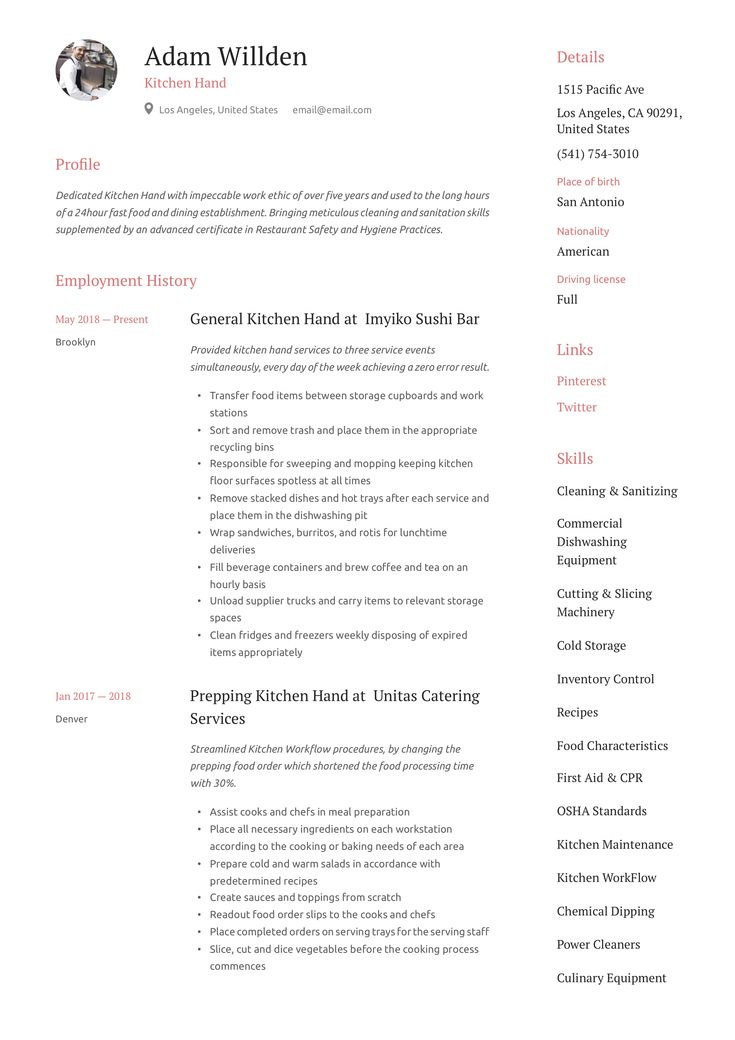
Consider using tables to showcase your experience, skills, or even your menu development projects. Tables can make your resume easier to scan and highlight your expertise more effectively. Just ensure you're using them judiciously – too many tables can make your resume look cluttered, diminishing its readability.
Incorporating Multimedia
While not a traditional SEO strategy, leveraging multimedia aspects can significantly enhance your resume's impact. Including links to reviews, menus, or online portfolios can provide recruiters with a well-rounded perspective of your capabilities.
If you have a professional online presence – such as a blog, Instagram profile, or even a Yelp review – include the links on your resume. This additional context can reinforce your accomplishments and give recruiters a sense of your culinary personality.
Crafting a compelling kitchen lead resume is a critical step in advancing your culinary career. By demonstrating your extensive experience, emphasizing your leadership skills, and optimizing your resume for both humans and search engines, you'll be poised for success in the competitive restaurant industry. As a final thought, always keep your resume up-to-date, and don't be afraid to tailor it to each job listing to maximize your chances of landing that dream kitchen lead position.
Related Articles
Kitchen Shift Lead Resume
Crafting a well-structured resume for a Kitchen Shift Lead position is crucial in highlighting your management, organizational, and culinary skills. Your...
Kitchen Leadership Job Description for Resume
Crafting a compelling resume for a kitchen lead role involves highlighting your culinary skills, management experience, and leadership capabilities. The...

Duties of a Kitchen Manager: Expertise for Your Resume
A well-crafted kitchen manager resume is a critical tool for making a strong first impression and landing your dream job in the culinary industry. It's...

Kitchen Sink Realism Movies: A Gritty Cinematic Experience
Kitchen sink realism, a phrase first coined by film critic Richard Schickel, describes a genre of films that attempt to capture the ordinary reality of life...

Kitchen Manager Resume
The kitchen manager is a pivotal role within the culinary industry, responsible for overseeing daily operations, managing staff, and ensuring the smooth...

Mastering Sage: Where Kitchen Essential Vergcellence Meets
Welcome to the world of sage kitchen supplies, where ancient wisdom meets modern culinary convenience. If you're a home chef, food enthusiast, or simply...