Food Inventory Turnover Formula: Boost Profits with Effective Tracking
Effectively managing your restaurant's inventory is a crucial aspect of successful business operations. One key metric that helps gauge the efficiency of this management is the "food inventory turnover." This value quantifies the number of times your inventory is sold or consumed in a given period, providing valuable insights into your business's performance.
Calculating your food inventory turnover allows you to assess your inventory management strategies, identify potential issues, and make data-driven decisions to optimize your supply chain. In this comprehensive guide, we will delve into the food inventory turnover formula, its components, and the factors influencing the result, along with practical examples to illustrate its application.
Food Inventory Turnover Formula
The food inventory turnover formula is derived from the cost of goods sold (COGS) and the average inventory value. It represents the number of times a business sells or consumes its average inventory during a specific period, such as a year or quarter.


_The formula_ is as follows:
| Food Inventory Turnover = | Cost of Goods Sold | Average Inventory |
|---|---|---|
| = | Total sales - Total cost of goods sold | (Beginning inventory + Ending inventory) / 2 |
The resulting value can help you identify trends, compare performance with industry benchmarks, and make informed decisions about your inventory management strategy.


Components of the Formula
Cost of Goods Sold (COGS) is the total value of all inventory items sold during the period. It represents the direct cost associated with producing the goods delivered to customers.
Average Inventory is the average value of a business's inventory during the period. It is calculated by taking the average of the beginning inventory and the ending inventory. This figure helps reflect the average level of investment in inventory throughout the period.
Factors Influencing Food Inventory Turnover
The food inventory turnover ratio is influenced by several factors, including the demand for your products, seasonality, suppliers' lead times, and your inventory management strategies. Understanding these factors can help you optimize your inventory turnover.


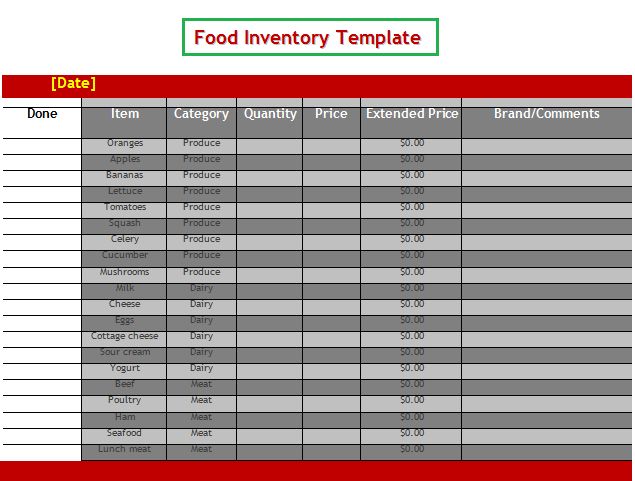


For instance, high demand for your dishes might lead to a higher inventory turnover, while slow-moving inventory might indicate a need to reassess your menu offerings or marketing efforts. Seasonality can also impact turnover, with certain items seeing increased demand during specific times of the year.
Effective inventory management strategies can significantly impact your food inventory turnover. Implementing a FIFO (First-In, First-Out) system, for example, can help ensure that older inventory is sold first, reducing waste and spoilage. Maintaining optimal inventory levels and regularly reviewing and updating your menu based on demand trends can also lead to improved turnover.
Interpreting Food Inventory Turnover Results
After calculating your food inventory turnover, you can interpret the results by comparing them to industry benchmarks or trends within your business. Generally, a higher turnover indicates better inventory management, as it suggests that you are selling your inventory faster and more efficiently.


A low food inventory turnover may suggest that you are holding onto inventory for too long, leading to spoilage, waste, or stagnant sales. However, it's essential to consider the nature of your business and your specific industry when interpreting these results. For example, restaurants typically have lower inventory turnover compared to fast-food chains due to their smaller and more varied menus.
Optimizing Your Food Inventory Turnover
To optimize your food inventory turnover, consider the following strategies:
- Regularly review and update your menu based on demand trends and sales performance to ensure you're offering dishes that drive customer engagement and sales.
- Monitor inventory levels closely to avoid overstocking or understocking items, helping to maintain optimal inventory levels and reduce waste.
- Negotiate better terms with suppliers to improve ordering efficiency, shorten lead times, and reduce stock levels.
- Implement a effective first-in, first-out (FIFO) system to ensure older inventory is sold first, minimizing waste and spoilage.
- Train your staff on inventory management best practices to ensure consistent and accurate tracking of inventory levels, sales, and reorder points.
Incorporating these strategies into your business operations can help you optimize your food inventory turnover, ultimately leading to improved sales, reduced waste, and enhanced profitability. Regularly reviewing and adjusting your inventory management strategies based on your turnover results enables you to maintain a competitive edge in the market.
The art of managing food inventory effectively is an ongoing process that requires constant vigilance and adaptation. By understanding and applying the food inventory turnover formula and the factors influencing the result, you can make informed decisions to optimize your inventory management strategies and drive business success.
Embracing a data-driven approach to inventory management empowers you to navigate the ever-changing landscape of the foodservice industry. By continually refining your strategies based on the insights gained from your food inventory turnover, you can secure a solid foundation for sustainable business growth.
Related Articles

"Boost Display appeal with Vevor's Countertop Food Serving Containers"
Are you looking to upgrade your food display game? A countertop food serving display container could be the perfect addition to your commercial kitchen or...

Effortless Food Inventory Tracking: Sample Spreadsheet
Tracking the inventory of a bustling restaurant or cafeteria can be an uphill task, especially when done manually. This is where a sample food inventory...

Food Pantry Inventory: See Our Fills with These Stunning Pictures
Welcome to our guide on pictures of food pantry items. In today's digital age, images have become our primary means of communication, and this includes the...

Food Inventory Formula: Simplify Stock Management
Imagine you're a restaurant owner or a grocer. One of your most pressing concerns each day is maintaining optimal food inventory levels. That's where the food...

Cabinet Optimization: Boost Efficiency with Expert Tips
Ever felt like you're wasting time searching for files or documents in a disorganized cabinet? You're not alone. Inefficient cabinet organization can lead to...

Quesadillas and Quinoa: Unique Recipes You'll Quiver For
When it comes to tracking down food that starts with the letter 'Q', you might initially feel quizzical, as it could seem quite a quirky quest. However, global...